What Is a Music Therapy Program and Why Does It Matter?
A music therapy program is designed to support emotional wellness, cognitive growth, and social development through structured musical engagement. Families often look for something meaningful that brings balance and healing during emotionally challenging times, and music becomes that bridge between expression and understanding. At Gold Star Mentors, this experience is approached with compassion and skill, especially for children who are learning to explore feelings that are too complex to communicate. A music therapy program can provide a safe space where children discover rhythm, confidence, and emotional release. Families appreciate that music becomes more than sound because it motivates children, teaches discipline, and inspires creativity. When sessions are created intentionally, each child feels embraced with support and guidance, and caregivers notice positive transformation within a short time.
Why Do Children Respond Positively to a Music Therapy Program?
Children connect deeply with sound, patterns, and expressive interaction. When introduced to a music therapy program, they begin reacting to therapy sessions as something enjoyable rather than clinical or overwhelming. Kids become fully engaged because music is naturally motivating. The process includes guided singing, rhythm exercises, instrumental techniques, and emotional exploration through musical experiences. Relationships grow within this environment because music activates social bonding and emotional trust. Over time, confidence rises and communication skills become stronger. Gold Star Mentors understands that this process must remain human-centered rather than rigid, which is why children grow in emotional awareness, memory strength, and positive interaction as part of their ongoing development.
Can Music Therapy for Grief Offer Comfort During Difficult Life Moments?
Families who experience emotional loss often feel uncertain about how to support children during periods of confusion or sadness. Music therapy for grief does not push emotional conversations prematurely. Instead, it gently introduces release through sound, storytelling, rhythm, and expression. When children cannot verbalize how they feel, melodies serve as emotional translation. Techniques used in sessions allow kids to feel seen, supported, and emotionally secure. A caring musical environment makes the grieving process less isolating, and children learn that their emotions hold importance. Music therapy for grief and loss empowers them to channel sadness into meaningful creative expression rather than silence. Many families notice that over time, children begin to communicate naturally about emotions they previously avoided discussing.
How Does Music Therapy for Grief and Loss Help Families Heal Together?
Grief affects not only children but also the adults who support them. When sessions include guided activities and reflective awareness, music becomes a shared space instead of a personal struggle. Families often discover that their child’s emotional release positively influences their own well-being. Music therapy for grief and loss allows families to interpret healing not as a forced process, but as something that grows naturally through consistency. Melodies, songwriting sessions, and rhythmic release create bonding moments where emotional understanding becomes collaborative. Parents often describe these sessions as moments of genuine peace and clarity. When families heal together, emotional harmony returns, and hope begins replacing uncertainty.
What Role Does a Music Therapy Program Play in Emotional Development?
A music therapy program strengthens emotional regulation by teaching children to identify emotions rather than react impulsively. Through structured but supportive experiences, children recognize patterns of feeling and understand how to respond appropriately. When rhythms shift, moods shift, and this teaches emotional pacing. When vocal tones change, so does expressive meaning, creating emotional literacy. Children learn how to process frustration, joy, excitement, or disappointment within a safe space. Facilitators encourage exploration rather than perfection, which removes pressure and introduces emotional confidence. Over time, children become more resilient because they learn not to suppress emotions, but rather shape them into healthy creative expression.
Why Are Music Programs for Kids Becoming So Popular?
Music programs for kids provide educational and emotional enrichment that goes beyond traditional learning structures. Parents seek environments that help build confidence, strengthen communication, and support academic growth. The ability to connect emotional needs with creative activity makes these programs attractive because they offer meaningful experiences rather than passive instruction. Music programs for kids also introduce routine, commitment, self-discipline, and expressive confidence. When children discover a musical identity, they begin believing in their personal contribution. This sense of belonging motivates progress and strengthens academic curiosity. Research shows that music improves memory, learning, focus, and reading fluency, which leads many families toward musical environments that enhance quality of life.
How Do Instruments Such as Guitars for Kids Encourage Learning?
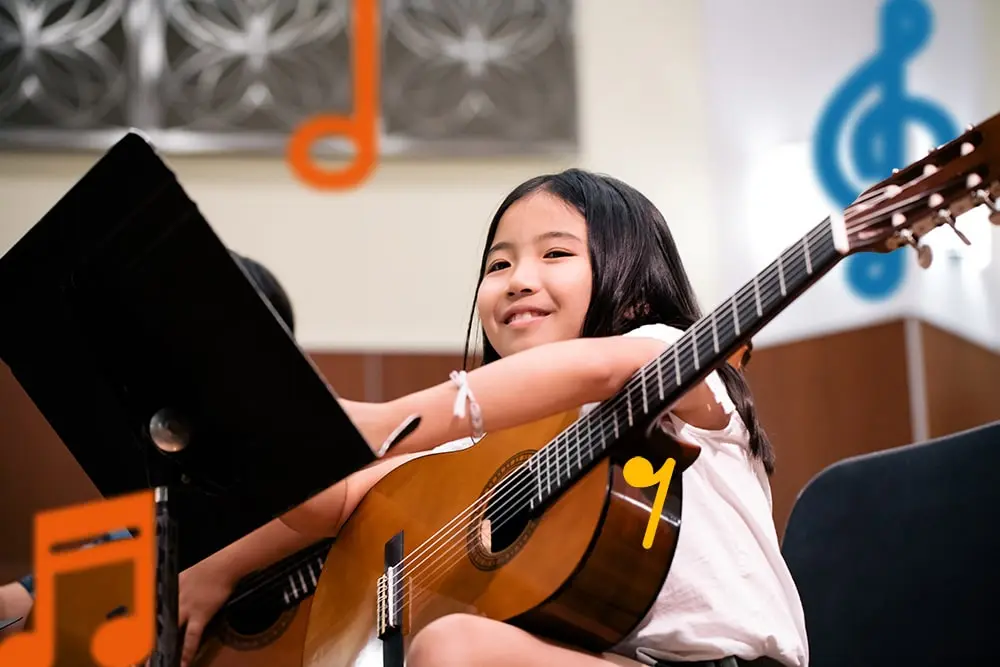
Introducing guitars for kids encourages skill-building that connects physical practice with emotional satisfaction. Children learn coordination, finger movement precision, rhythmic interpretation, and timing. Each session becomes a milestone that creates a sense of accomplishment. When kids learn an instrument, they discover that progress takes patience. This reinforces responsibility, routine, goal-setting, and resilience. Kids enjoy physical interaction with an instrument because it feels personal, and that emotional bond keeps them motivated. Guitars also allow children to express mood and personality through sound variation, tone changes, and tempo. When kids believe music belongs to them, they develop deeper self-identity that extends beyond the instrument. This outcome supports long-term growth and emotional maturity.
Why Is Sponsoring Music Therapy for Kids Meaningful for Communities?
Choosing to sponsor music therapy for kids is a contribution that affects future emotional well-being and personal development. Communities thrive when children are given resources that build confidence, emotional coping skills, and creative opportunities. Sponsorship ensures that children facing hardship or emotional difficulty receive access to sessions that influence recovery, learning, and self-belief. Families gain relief knowing that someone believes in their child’s potential. When individuals sponsor music therapy for kids, they invest in a meaningful healing environment rather than temporary relief. The community becomes stronger when children successfully express themselves, overcome emotional barriers, and experience joy through music.
How Does Gold Star Mentors Build Meaningful Musical Experiences?
Gold Star Mentors creates musical experiences with compassion, intention, and emotional guidance. The music therapy program offered provides structured growth while maintaining warmth, safety, and creative freedom. Facilitators engage children in activities that reflect emotional needs, not rigid instruction. Parents appreciate that sessions remain human-centered, interactive, inspiring, and joyful. Children build confidence through mentorship, musical exploration, rhythmic development, and emotional expression. Each session helps children strengthen personal identity and emotional clarity, and families begin to notice how music transforms communication at home. Through this experience, children heal, grow, and learn to navigate emotional complexity with hope, creativity, and resilience.
Families choose Gold Star Mentors because music is not used simply as entertainment, but as emotional empowerment. When children discover who they are through music, they develop skills that remain long after sessions end. That is the impact of intentional musical support, and that is why a program rooted in connection creates transformation that strengthens life beyond childhood.




 English
 Arabic
 French
 Spanish
 Portuguese
 Deutsch
 Turkish
 Dutch
Dutch
 Italiano
 Romaian
 Portuguese (Brazil)
 Greek
Greek