English
 Arabic
 French
 Spanish
 Portuguese
 Deutsch
 Turkish
 Dutch
Dutch
 Italiano
 Russian
 Romaian
 Portuguese (Brazil)
 Greek
Greek

Tempo Traveller on Rent for Efficient and Comfortable Group Journeys
Other |
2026-04-01 11:48:03
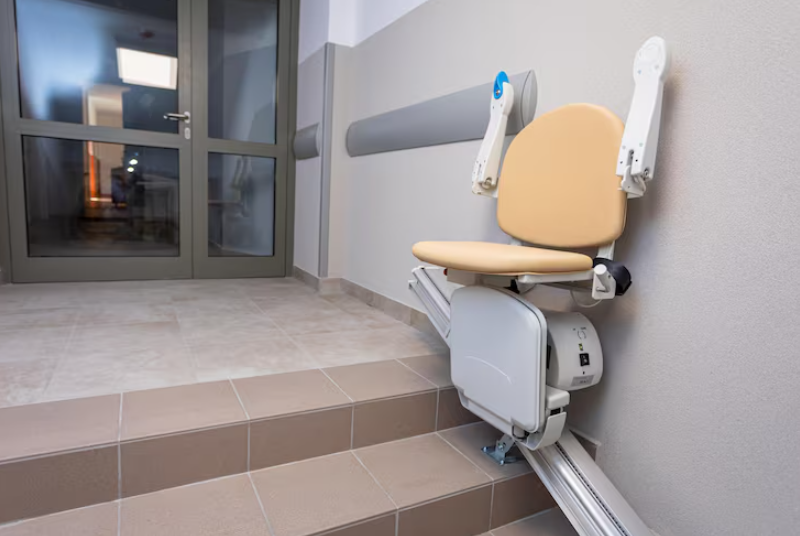
Creating a safe and accessible living environment is essential for individuals with mobility challenges. One of the most effective solutions is installing a wheelchair platform lift, which provides independence, safety, and convenience. A wheelchair platform lift is designed to help users move between different levels of a home or building without the need for stairs. Whether for residential or commercial use, a wheelchair platform lift can significantly improve quality of life. By investing in a wheelchair platform lift, families can ensure both comfort and dignity for their loved ones.
Mobility limitations can make even the simplest daily activities challenging. Stairs, narrow spaces, and uneven surfaces often become barriers. Fortunately, modern assistive technologies are bridging these gaps. From lifts to transfer devices, solutions are becoming more efficient and user-friendly. This blog explores practical ways to improve accessibility, focusing on structured steps and key equipment that can make a real difference.
Before choosing any equipment, it’s important to evaluate the specific requirements of the user.
Identify whether assistance is needed for vertical movement (stairs, raised entrances)
Determine if caregiver support is available
Consider the frequency of use and weight capacity requirements
Evaluate indoor vs outdoor installation needs
A clear understanding ensures you select the most suitable accessibility solution.
There are several devices designed to support mobility:
Wheelchair platform lifts for moving between floors
Stairlifts for seated transport along staircases
Ramps for gradual elevation changes
Transfer aids for bed-to-chair movement
In the middle of caregiving routines, devices like a patient hoist become extremely valuable. A patient hoist helps caregivers safely lift and transfer individuals with minimal physical strain. This not only reduces injury risk but also ensures the user feels secure and supported.
Once equipment is selected, proper installation is key.
Numbered Steps for Installation Planning:
Measure the available space accurately
Check structural requirements (load-bearing capacity, wall strength)
Ensure compliance with local safety standards
Choose a certified installer or technician
Test the equipment thoroughly after installation
Proper planning prevents costly modifications later and ensures long-term usability.
Safety should always be a priority when installing accessibility equipment.
Emergency stop buttons
Non-slip platforms
Safety rails and harness options
Backup power systems in case of outages
Smooth and controlled lifting mechanisms
These features are particularly important for devices used daily, such as lifts and hoists.
Even the best equipment is ineffective without proper usage.
Key Training Points:
How to operate controls safely
Emergency procedures
Routine inspection basics
Weight limits and precautions
Safe transfer techniques
Training ensures confidence and reduces the likelihood of accidents.
Routine maintenance extends the life of accessibility devices.
Schedule periodic servicing
Check for wear and tear
Lubricate moving parts
Test safety features monthly
Keep manuals accessible for reference
Consistent upkeep ensures reliability and safety over time.
Improving accessibility is not just about convenience—it’s about empowering individuals to live independently and with dignity. Solutions like lifts and transfer aids play a vital role in creating inclusive environments. By carefully assessing needs, selecting the right equipment, and following structured installation and maintenance steps, families can make their homes safer and more comfortable. Investing in the right tools today leads to greater freedom, confidence, and peace of mind for tomorrow.