English
 Arabic
 French
 Spanish
 Portuguese
 Deutsch
 Turkish
 Dutch
Dutch
 Italiano
 Russian
 Romaian
 Portuguese (Brazil)
 Greek
Greek

Solo Microwave Oven Market Strategic Insights and Forecast
Other |
2026-04-20 06:55:53

Baltimore is a city where people can show their love for food, right from the famous crab cakes to the famous pit-beef sandwich. Over the last 10 years, Baltimore is witnessing a gradual culinary revolution that is beginning in Baltimore's diverse neighbourhood. If you've ever thought about looking into the cuisine of India which Baltimore offers, it's an unforgettable experience. There's no need to worry whether you're a first-timer with no prior experience other than the masala that you can take home or an experienced eater who wants for more to discover things to know, there are many points to consider prior to stepping foot on the dining table for the first visit.
A single of the major myths regarding Indian restaurants is that indian cuisine in baltimore is only one. However, India is actually a subcontinent comprised of 28 states, each one of with its own unique food, culture and traditions and methods. The food that is served in a Punjabi Dhaba restaurant located in northern India is distinctive in look and flavor that's different from the seafood thali that is served in coastal areas consumed in Kerala and even the street food served at the Mumbai Chaat stand.
The atmosphere of the atmosphere of an Indian dining establishment in Baltimore there is a good chance that you will discover dishes that originate into North Indian cooking -- Imagine rich gravies simmered in slow simmered sauces, and tandoor-fired breads as well as rich food items made from lentils. There are numerous restaurants that offer South Indian specialties like crispy dosas as well as sambar and dosas, and Indian Chinese fusion foods that are loved by all over India yet aren't well-known to American patrons. Being curious rather than making assumptions will be beneficial to your health.
A few people who are brand new to Indian cuisine are hesitant about Indian cuisine due to worry about the spicy. This isn't a bad issue - it's true that Indian cuisine is prepared with numerous spices and chillies, However "spicy" in Indian cuisine doesn't always mean smokey hot. The richness of Indian food comes from layers of aromatic spices, such as cumin, coriander and cardamom and turmeric. They provide an aroma and a flavor, yet aren't overpowering with spice.
The majority of Indian restaurants in Baltimore will easily modify the level of spice according to your taste. Be sure to insist on moderate meal, especially if it's your first experience. Once your tastes are familiar with the flavor and the textures, it will be possible to slowly move up to more affluent degrees. Foods such like butter chicken, along with Palak Paneer and Dal Makani fall on the low side of the spectrum, and could be great starting points for those unfamiliar with the culinary world of.
If you've had the pleasure of ordering rice with your Indian food, you're receiving the same pleasure as. Indian breads form the base of the meal and can be found in an array of. Naan is a fluffy flatbread that is baked by a tandoor is perhaps the most sought-after, but it's worth investigating for. Chapati and Roti are two smaller options of whole wheat that are excellent for dry dishes. Paratha is an incredibly soft and delicious bread that is able to be stuffed with spices, potatoes, or served as is. Puri, which is flaky and deep-fried, is a delightful treat served for breakfast or along with particular curries.
Bread that is used in Indian cuisine isn't only used to accompany food, it is also a food item for the kitchen. The act of breaking a loaf and putting it in a bowl to serve curries or dals isn't only acceptable, but it's what you would like to enjoy it. Embrace it.
Indian cuisine is one of the many diverse vegetarian meals across the world. It's not an environment where vegetarianism is just a weak or unsatisfactory alternative to the meat. Lentils (dal) as well as chickpeas (chana) along with paneer (fresh cheese) and eggplant (baingan) and spinach (palak) can be used in meals that are deliciously spicy and tasty that vegetarians aren't aware of the protein.
If you're a vegan, vegetarian or are simply looking to cut down on your consumption of meat, Indian restaurants are among the most accommodating dining choices you can find. A lot of the dishes are vegetarian or easily adapted. Be sure to inquire with your server about dairy-free alternatives, like dishes which are prepared using oil instead of cream or ghee. These is often done upon demand.
Indian cuisine is usually thought of as a social event. It is intended to be enjoyed together. The food is serving on tables along alongside rice and bread for mixing and blending. If you're eating with group, ordering an assortment of food items and then eating them together is not just appropriate but it's additionally the best way to eat.
An excellent tableside meal can consist of the option of two curries (one featuring a meat element and a second vegetarian) as well as an Dal. Bread baskets with rice, the bread basket as well as Rista (a fresh yogurt-based sauce) along with small portions of Chutney. It is the variety of options that will allow you to taste the many tastes, temperatures and textures that makes Indian dishes so tasty. For those who prefer to eat on their own, they can ask to have half portions of their lunch, or even specials which usually offer tastings at a lower cost.
Indian desserts offer a world of them, and worthy of space. Kheer which is a slow-cooked rice pudding that's scent is with rose water and cardamom is a sexy, delicate dessert to end a night. Gulab jamun are soft, doughy ball which are cooked and then soaked in sugar syrups are delicious and sweet, best shared. Mango lassi is a drink made of yogurt, which is mixed with mango pulp that is sweetened with sugar. Technically, it's actually a beverage but tastes delightful as a way to cleanse your palate, or as a alternative to dessert.
It is also called masala Chai. There is nothing more satisfying than the meal of an Indian meal like an excellent spiced tea made with black tea that is simmered in cardamom and cloves. Also, the addition of cinnamon and the addition of milk. Make sure to inquire if the kitchen makes it by hand; the distinction between a ready-mixed powder is evening and the day.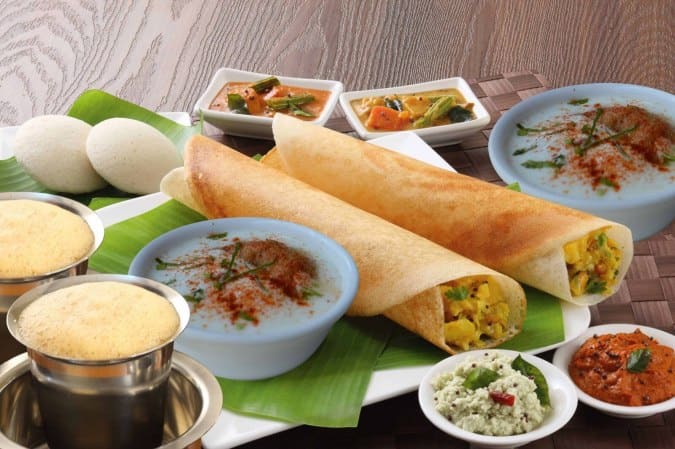
baltimore indian restaurants has been growing rapid in the past few years. restaurants that serve Indian cuisine within Baltimore are delivering some of the most exciting meals you can have within Baltimore. From families-owned establishments in the suburbs that have been providing loyal customers for years, to contemporary establishments which have brought regional Indian cuisines to the forefront. It's possible to find top-of-the-line foods that are available. A majority restaurants use premium spices as well as other components cautiously, and dishes are often a reflection of the personal story of the their chef as well as the families that operate the establishments. The experience of visiting the Indian restaurant isn't just eating out, it's the opportunity to take part of a true food culture that's been in existence for many hundreds of years. Restaurants that you frequent are worthy of your attention and your interest and many trips.
Indian food is a great option for those who are hungry. When you go deeper at it, outside of the regular menu or menus, the greater variety and fun you'll encounter. Baltimore's Indian establishments are welcoming and delicious, in the same way as the dining experience which is sure turn newcomers to frequent customers. Open to ideas from your server. Request advice, and discuss your meal during your visit and take your time. There's no reason to make a wrong choice.
1. Is Indian food always very spicy?
No, it’s not always very spicy. Most dishes focus more on flavor from spices rather than heat, and you can usually ask for mild, medium, or spicy based on your preference.
2. What should I order if I’m trying Indian food for the first time?
Good starting options include butter chicken, palak paneer, dal makani, and naan. These are flavorful but not overwhelming.
3. Are there enough vegetarian options in Indian restaurants?
Yes, Indian cuisine is one of the most vegetarian-friendly cuisines in the world, with plenty of satisfying and protein-rich dishes.
4. Do I have to eat with my hands at an Indian restaurant?
Not at all. You can use utensils, but many people enjoy using bread like naan to scoop food, which is completely normal.