


Advancing Healthcare Technology Through Intelligent Software Innovation
The Digital Transformation Revolutionizing Modern Healthcare
The healthcare industry is undergoing unprecedented change as technology reshapes how medical services are delivered, managed, and experienced. From advanced patient monitoring tools to seamless hospital management systems, digital solutions are becoming essential for efficiency and accuracy. Central to this evolution is custom healthcare software development, which empowers healthcare providers to build specialized platforms tailored to their unique workflows, patient needs, and compliance requirements.
Custom solutions ensure that organizations are not restricted by generic software limitations. Instead, they benefit from tailor-made digital tools that improve diagnosis accuracy, streamline administrative tasks, reduce errors, and enhance patient satisfaction. As healthcare moves toward data-driven decision-making, personalized software has become the backbone of modern medical innovation.
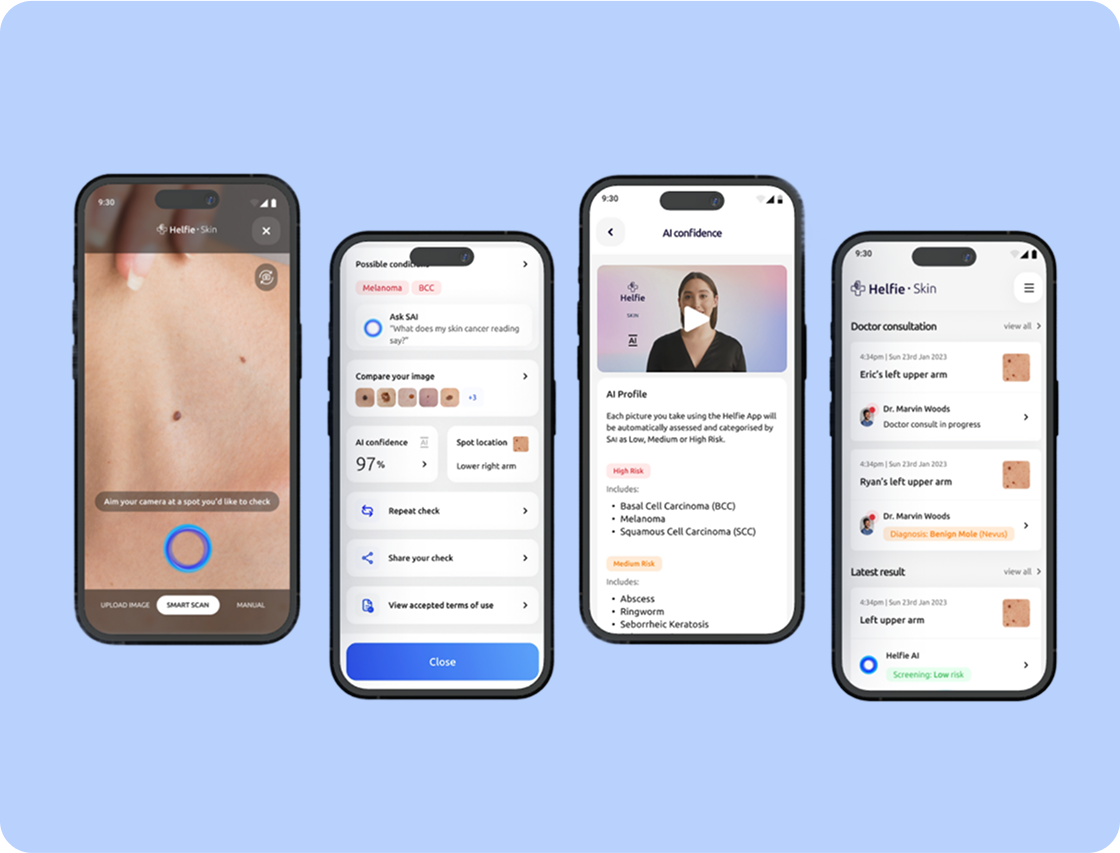
The Value of Personalization in Healthcare Software
Healthcare is complex, and no two medical institutions operate the same way. Hospitals, private clinics, diagnostic centers, and telehealth platforms each have distinct requirements. This is where custom healthcare software development proves invaluable. It enables organizations to build systems that align perfectly with their medical processes and patient engagement goals.
Custom-built healthcare software can include:
Electronic health record (EHR) systems with personalized configurations
Telemedicine platforms with secured video consultations
Appointment scheduling and patient communication systems
AI-driven diagnostic support tools
Patient portals with real-time health tracking
Prescription management and e-pharmacy integrations
With tailored design and flexible scalability, custom solutions help healthcare providers improve accuracy, reduce operational costs, and enhance the overall patient experience.
Interconnectivity Through REST APIs: The Engine Behind Modern Health Systems
Today, healthcare platforms rely heavily on system interoperability. Hospitals use multiple tools—laboratory systems, pharmacy networks, EHRs, billing solutions, and telehealth portals—that must communicate seamlessly. This is where rest api development services play a critical role.
REST APIs act as bridges, allowing multiple systems to share information instantly and securely. They support activities such as:
Syncing patient data between systems
Automating insurance and billing processes
Integrating telehealth portals with EHR databases
Updating lab test results in real time
Connecting wearable health devices with patient apps
Well-developed REST APIs reduce manual work, minimize mistakes, and enable fast data flow—critical for delivering accurate, timely care.
Enhancing Healthcare Efficiency With Connected Software Ecosystems
Modern healthcare is no longer confined to one location or platform. Patients use mobile apps, wearable devices, telemedicine portals, and online pharmacies. Medical providers manage operations using hospital management systems, cloud dashboards, and diagnostic tools. Rest api development services ensure these systems function as a unified ecosystem.
With API-driven connectivity, healthcare organizations achieve:
Faster decision-making supported by real-time data
Decreased administrative workload
Improved care coordination between departments
Enhanced patient engagement and communication
Higher system reliability and transparency
Interconnected digital ecosystems also support emerging technologies such as AI, predictive analytics, and remote patient monitoring.
Data Security and Compliance: Essential in Healthcare Software
Healthcare data is highly sensitive, making robust security essential. Custom-built systems incorporate advanced security protocols such as multi-factor authentication, encrypted data storage, and role-based access control. Moreover, both custom healthcare software development and API integration must comply with strict regulatory standards like HIPAA, GDPR, and HL7.
Developers must ensure:
Secure transmission of patient data
Real-time monitoring for threat detection
Encrypted communication between APIs
Uninterrupted system performance
Audit logs and traceability
Strict access control policies
By prioritizing compliance and cybersecurity, healthcare organizations protect their integrity while gaining patient trust.
Why Healthcare Providers Need Tailored Digital Systems
Generic software rarely provides the level of control, efficiency, and precision required in healthcare settings. Tailored digital platforms eliminate redundant features, automate critical workflows, and introduce precision-driven functionalities designed for specific medical environments.
Organizations benefit from:
Improved operational efficiency
Reduced paperwork and manual errors
Better patient engagement
Advanced analytics for informed decision-making
Seamless integration with existing systems
Scalable technology that grows with the organization
With custom solutions, medical providers can focus more on delivering exceptional care and less on navigating complicated software.
Conclusion
Healthcare is evolving rapidly, and technology is driving this transformation forward. From advanced custom healthcare software development to highly efficient rest api development services, the future of medical care depends on secure, intelligent, and connected digital solutions. For healthcare organizations seeking innovation, reliability, and scalable development expertise, whitefox.cloud stands as a trusted leader committed to empowering the next generation of digital healthcare.

 English
 Arabic
 French
 Spanish
 Portuguese
 Deutsch
 Turkish
 Dutch
Dutch
 Russian
 Romaian
 Portuguese (Brazil)
 Greek
Greek