


Say Goodbye to Hair Loss: The Science of Permanent Restoration
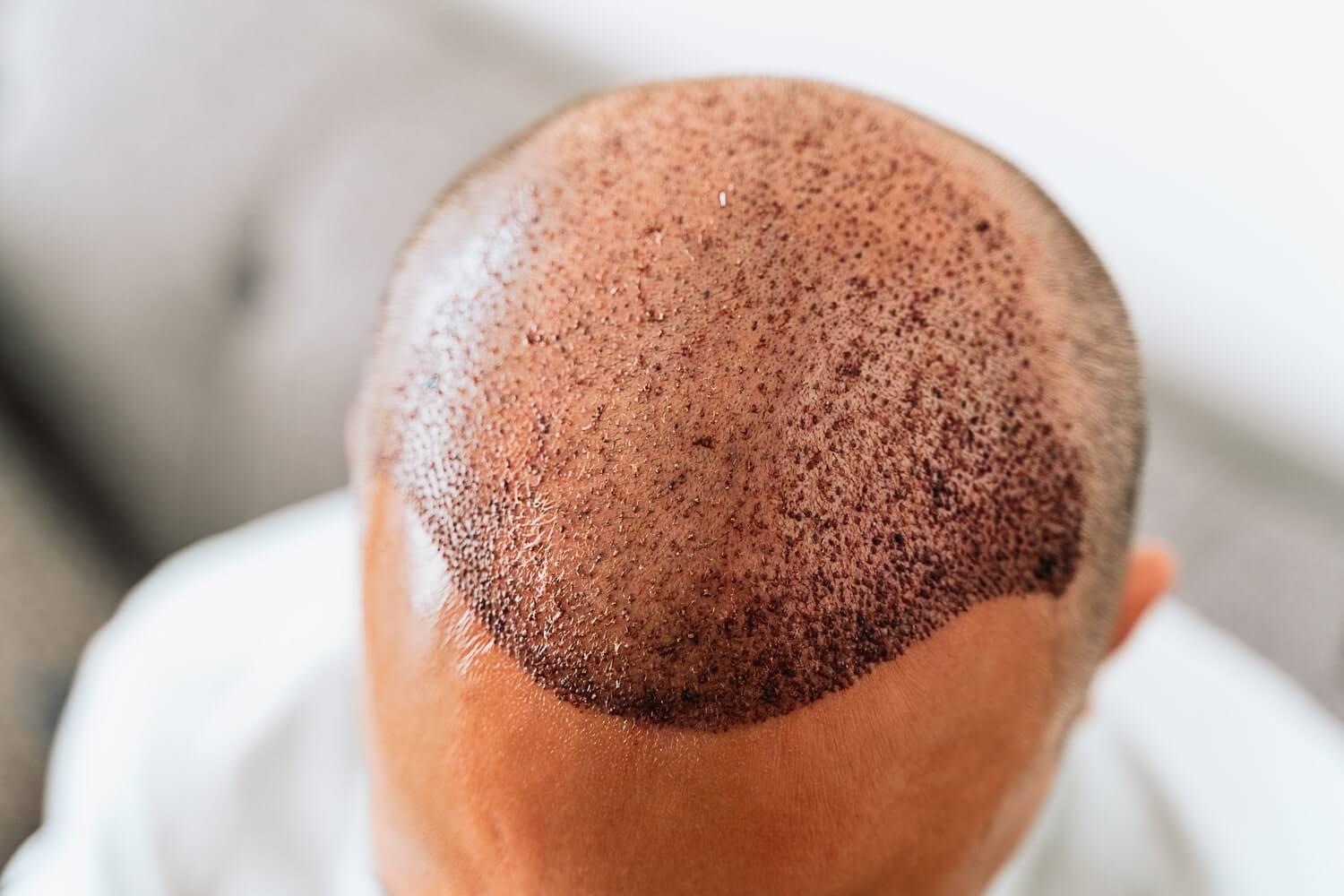
Hair loss is a common concern for millions of people worldwide, but the good news is that modern science has made remarkable advancements in permanent hair restoration. Whether you’re dealing with male or female pattern baldness, thinning hair, or hair loss due to injury, hair transplant in saudi arabia offers a scientifically proven solution to restore your hairline and boost your confidence. Let’s dive into the science behind permanent hair restoration and how it can help you say goodbye to hair loss for good.
1. Understanding Hair Loss: The Science Behind It
Before we explore how hair restoration works, it’s important to understand why hair loss happens in the first place. Hair loss typically occurs due to a combination of genetic, hormonal, and environmental factors. The most common types of hair loss include:
-
Male Pattern Baldness (Androgenetic Alopecia): Caused by genetic sensitivity to DHT (Dihydrotestosterone), a hormone that shrinks hair follicles, leading to thinning and eventually complete hair loss.
-
Female Pattern Baldness: Women experience diffuse thinning, especially on the crown, often due to hormonal changes like menopause or pregnancy.
-
Alopecia Areata: An autoimmune condition where the body attacks hair follicles, leading to hair loss in small, round patches.
-
Trauma and Injury: Hair loss resulting from burns, surgery, or other injuries to the scalp.
In all of these cases, the underlying cause is a disruption in the hair follicle growth cycle, which leads to hair falling out faster than it can grow back.
2. The Science of Hair Transplants: How It Works
A hair transplant involves taking healthy, permanent hair follicles from a donor area (usually the back or sides of the scalp) and transplanting them into areas with thinning or no hair. The science behind hair transplantation is rooted in the fact that certain areas of your scalp are genetically resistant to balding.
Follicular Unit Extraction (FUE)
-
In FUE, individual hair follicles are extracted from the donor area using a small, punch-like instrument. These follicles are then transplanted to the thinning or bald areas. The procedure is minimally invasive, with no need for stitches, and results in minimal scarring.
Follicular Unit Transplantation (FUT)
-
In FUT, a strip of skin containing hair follicles is surgically removed from the donor area, and individual follicles are dissected and transplanted into the thinning areas. While this technique leaves a small linear scar, it allows for larger graft numbers in a single session.
Both methods rely on the same principle: follicles from the donor area are resistant to DHT, and thus they continue to grow hair even when transplanted to areas affected by hair loss.
3. The Biology of Hair Growth and Why Transplanted Hair Lasts
One of the key aspects that makes hair transplants permanent is that the transplanted follicles retain their resistance to DHT. Here’s how it works:
-
Genetically Resistant Follicles: The hair follicles taken from the donor area are not affected by DHT. Even after they’re transplanted to the balding areas, they continue to grow as healthy, thick hair.
-
Hair Cycle: Hair grows in a cycle that includes the anagen (growth), catagen (resting), and telogen (shedding) phases. During a transplant, the follicles are placed in the anagen phase, which means they will begin to grow as normal hair once transplanted.
-
Permanent Growth: Because the transplanted hair is from an area that is resistant to DHT, it is less likely to fall out compared to the rest of the hair in the balding area. As a result, the transplanted hair will continue to grow throughout your lifetime, providing long-lasting, natural results.
4. The Healing Process: What Happens After the Transplant?
While the procedure itself may take several hours, the healing process is relatively quick. Here’s a breakdown of the typical timeline:
-
First Week: Right after surgery, you’ll experience some redness, swelling, and scabbing around the transplanted area. It’s important to follow the aftercare instructions given by your surgeon to ensure proper healing.
-
1-3 Months: After about 2-3 months, the transplanted hair will begin to shed. This is a normal part of the hair growth cycle, and it’s temporary. Don’t be alarmed if you notice shedding—this is the phase where the hair follicles enter the telogen (resting) phase.
-
6 Months: By this time, the hair follicles will begin to grow new hair. The hair will be fine at first, but as time goes on, it will gradually thicken and mature.
-
9-12 Months: Full results typically appear between 9 and 12 months post-surgery. The transplanted hair will blend seamlessly with your existing hair, and you’ll start to see a fuller, natural-looking hairline.
5. The Science of Hairline Design: Creating Natural Results
One of the most important aspects of a successful hair transplant is designing a natural hairline. Surgeons use a combination of experience, artistic vision, and scientific knowledge to create a hairline that looks both youthful and natural.
-
Angle and Direction: The angle at which the hair grows is critical for achieving a natural look. Hair grows at different angles across the scalp, and the surgeon must replicate the natural direction of growth when placing each follicle.
-
Density: The surgeon must consider the existing hair and design the transplant to blend seamlessly with the natural hairline. They will place grafts strategically to avoid a “pluggy” look.
-
Customization: Every person’s scalp, hair texture, and goals are different. A skilled surgeon will tailor the transplant to your specific needs, ensuring a result that suits your facial features and personal preferences.
6. The Benefits of Permanent Hair Restoration
Long-Term Confidence Boost
Hair restoration doesn’t just change your appearance—it changes the way you feel about yourself. After a successful transplant, you can say goodbye to insecurities about your hairline, and hello to renewed confidence. A fuller, natural-looking head of hair can improve your self-esteem, making you feel more youthful, attractive, and confident in both social and professional settings.
Minimal Maintenance
Unlike other hair restoration treatments like medications, topical creams, or wigs, a hair transplant offers a low-maintenance solution. Once the transplant is healed and the hair begins to grow, it requires no special treatment. You can shampoo, cut, and style your hair just like you would your natural hair.
Cost-Effective Over Time
While the initial cost of a hair transplant can seem high, it’s a one-time investment that can save you money in the long run. You won’t need to spend on ongoing treatments, hairpieces, or hair loss medications. The cost of a hair transplant often pays off when you consider the lifetime benefits of permanent hair restoration.
7. What You Need to Know Before Getting a Hair Transplant
Before opting for hair transplant surgery, it’s important to consider the following:
-
Consultation with a Qualified Surgeon: The first step is to consult with an experienced, board-certified hair transplant surgeon who can evaluate your specific case and recommend the best procedure for you.
-
Realistic Expectations: Hair transplant results are permanent, but they take time to show. Full results are typically visible within 9-12 months, and it’s essential to have realistic expectations about the timeline and final outcome.
-
Donor Area Availability: The success of a hair transplant depends on having enough healthy hair in the donor area. If your hair loss is extensive, discuss the available options with your surgeon.
-
Costs and Considerations: Hair transplant costs vary depending on the method, the number of grafts required, and the clinic. Make sure to choose a reputable clinic with a proven track record.
In Conclusion: Say Goodbye to Hair Loss for Good
Hair transplant surgery offers a scientifically backed, permanent solution to hair loss. By leveraging the natural growth properties of hair follicles and advanced surgical techniques, hair transplants can restore your hairline, giving you thicker, fuller hair that lasts a lifetime. Not only will this improve your appearance, but it will also boost your confidence and quality of life in ways you may not have expected.

 Arabic
 French
 Spanish
 Portuguese
 Deutsch
 Turkish
 Dutch
Dutch
 Italiano
 Russian
 Romaian
 Portuguese (Brazil)
 Greek
Greek