


How Do Dermatologists Assess Birthmarks?
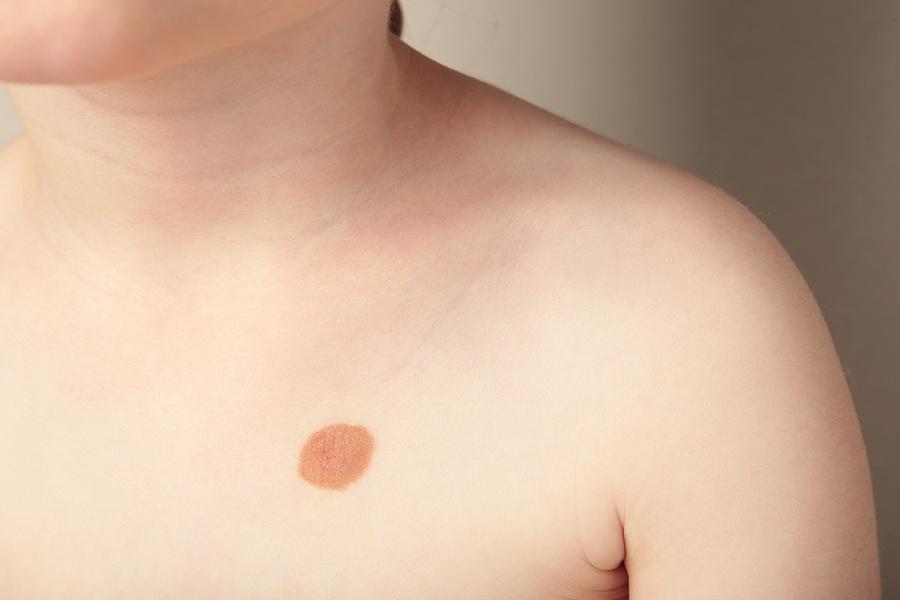
Birthmarks are common skin marks present at birth or developing during early childhood. While most are harmless, some people choose to remove them for cosmetic reasons or for peace of mind. A critical first step in effective birthmark removal is a proper assessment by a qualified dermatologist. Understanding how dermatologists evaluate birthmarks helps patients know what to expect and ensures safe and effective treatment. For those seeking Birthmark Removal Treatment in Riyadh, proper assessment is essential to achieve the best results.
Why Assessment is Important
Accurate evaluation allows dermatologists to:
-
Determine the type of birthmark (pigmented or vascular)
-
Decide on the most suitable treatment method
-
Evaluate potential risks and complications
-
Plan the number of sessions and expected outcomes
Without a thorough assessment, treatment may be less effective or carry unnecessary risks.
Initial Consultation
During the first visit, dermatologists typically:
-
Take a detailed medical history, including family history of skin conditions
-
Ask about the duration and changes in the birthmark
-
Discuss personal concerns and desired outcomes
This information helps the dermatologist tailor the treatment plan to each patient’s unique needs.
Visual Examination
A dermatologist closely examines the birthmark to assess:
-
Color: Brown, red, purple, or mixed
-
Size and shape: Determines the extent of treatment needed
-
Texture: Raised or flat
-
Borders: Well-defined or irregular edges
Visual examination is the first step in identifying the type of birthmark and its responsiveness to treatment.
Dermatoscopic Evaluation
Dermatoscopy is a non-invasive technique that uses a magnifying device and light to inspect the skin in detail. It helps dermatologists:
-
Identify pigment patterns
-
Assess blood vessel structures in vascular birthmarks
-
Detect unusual or suspicious features that may require further investigation
This tool allows for a more precise assessment than the naked eye alone.
Imaging Techniques (if needed)
For complex or deep birthmarks, dermatologists may recommend imaging tests, such as:
-
Ultrasound: To measure the depth of vascular birthmarks
-
MRI: In rare cases of large or complicated birthmarks
These techniques help plan the treatment approach and predict outcomes accurately.
Assessing Skin Type
Dermatologists also evaluate the patient’s skin type, as it influences treatment:
-
Darker skin tones may require specialized laser settings to prevent pigmentation changes
-
Sensitive skin may need gentler approaches
Accurate skin type assessment ensures both safety and effectiveness.
Medical Considerations
Before starting treatment, dermatologists review any medical conditions or medications that could affect healing. This step is especially important for children or patients with skin sensitivities.
Treatment Planning Based on Assessment
After completing the evaluation, the dermatologist develops a personalized treatment plan, including:
-
Recommended laser type or method
-
Number of sessions required
-
Post-treatment care instructions
-
Expected timeline for results
Personalized planning ensures that patients achieve optimal results with minimal side effects.
Follow-Up and Monitoring
Assessment does not end with the first visit. Dermatologists monitor progress after each session to:
-
Check healing and pigmentation changes
-
Adjust laser settings if needed
-
Evaluate whether additional sessions are necessary
Regular follow-up ensures safe and effective outcomes.
Conclusion
Proper assessment by a dermatologist is the foundation of successful birthmark removal. Through visual examination, dermatoscopy, imaging if necessary, and personalized planning, dermatologists can safely and effectively treat both pigmented and vascular birthmarks. For patients in Riyadh seeking expert guidance, Enfield Royal Clinic provides thorough evaluations and customized treatment plans to achieve safe, long-lasting, and aesthetically pleasing results.

 English
 French
 Spanish
 Portuguese
 Deutsch
 Turkish
 Dutch
Dutch
 Italiano
 Russian
 Romaian
 Portuguese (Brazil)
 Greek
Greek