


Sustainable and Locally Sourced: Exploring Material Choices for a Wood Louver in the Philippines
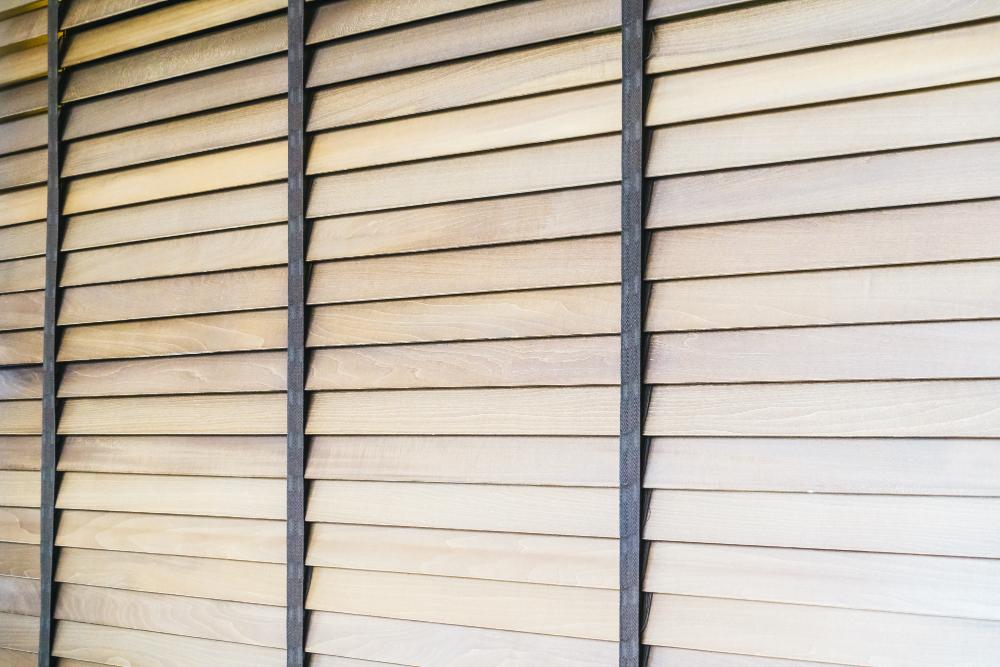
A wood louver serves a dual and essential function in Philippine architecture: it provides effective sun shading and climate control while contributing significantly to the aesthetic warmth of a building facade. The critical challenge in selecting materials for a wood louver in the Philippines is balancing sustainability (avoiding threatened species) with durability (withstanding tropical heat, rain, and pervasive wood-boring pests). The high humidity and intense UV exposure make material selection paramount.
Premium Native Hardwoods (High Durability)
For maximum longevity and natural resistance, certain native Philippine hardwoods remain the gold standard, though their sourcing requires critical diligence and higher initial investment.
Yakal and Molave (The Gold Standard)
Yakal (Shorea astylosa) and Molave (Vitex parviflora) are celebrated for their density, hardness, and inherent resistance to termites and decay—making them ideal for the exterior demands of a wood louver in the Philippines, often lasting decades. Their tight grain structure minimizes moisture absorption, which significantly reduces the risk of warping and cracking common in softer woods. While Molave offers superior hardness, Yakal is slightly more workable. Due to their exceptional qualities, both species come at a high cost, reflecting their increasing scarcity.
The Sourcing Challenge
The biggest constraint with native hardwoods like Narra, Molave, and Yakal is the high risk of illegal logging and their status as threatened or scarce species. Relying on these sources undermines the goal of sustainability. To ensure ethical sourcing, it is mandatory to acquire timber with third-party certification such as FSC® or PEFC™, or utilize verified reclaimed wood (often the most sustainable option) from old structures slated for demolition. Choosing certified or reclaimed material protects Philippine forests and avoids promoting illegal trade.
Sustainable Plantation and Fast-Growing Options
For projects seeking environmental responsibility and budget-conscious material procurement, fast-growing plantation timbers offer a viable alternative when paired with proper preservation treatments.
Mahogany (Plantation-Grown)
Plantation-grown Mahogany (often Tanguile) is one of the most widespread and sustainable alternatives available locally due to its rapid growth cycle. It offers good moisture resistance and excellent workability, making it easy to profile and install for louver blades. However, unlike Yakal, Mahogany is not naturally resistant to pests; it requires rigorous sealing and chemical maintenance (e.g., using borate treatments) to achieve acceptable longevity for exposed exterior louver use. Without treatment, Mahogany will rapidly succumb to rot and wood-boring insects in the Philippine climate.
Gmelina (High Workability)
Gmelina (Gmelina arborea) is a widely distributed, fast-growing, economically important plantation species in the Philippines. It is easy to cut and profile, making it suitable for light construction and joinery. While its availability and price are attractive, Gmelina has poor natural durability and is highly susceptible to termites and rot. It requires extensive and thorough chemical pressure-treatment to match the durability needed for an exterior wood louver in the Philippines. This treatment ensures the chemical preservative penetrates the core of the wood, which is essential for tropical exterior use.
Modern Sustainable Alternatives
Where durability and minimal maintenance are the absolute priority, modern engineered and composite products provide the wood aesthetic without the environmental or maintenance demands of traditional timber.
Wood-Plastic Composite (WPC) / Biowood
Products like Biowood or WPC are made from recycled wood fiber and plastics. These are the top low-maintenance, high-durability alternatives. WPC provides the look of wood without any of the drawbacks: it will not warp, rot, crack, or suffer termite damage. Its high resistance to moisture and UV light makes it ideal for the extreme thermal cycling and humidity experienced by a tropical louver, essentially eliminating the need for periodic repainting or oiling.
Engineered Lumber (Treated Pine/Fir)
For large commercial projects, imported, pressure-treated lumber (such as treated Radiata Pine or SPF) can be a certified structural option available from major suppliers. This wood undergoes a core-to-core chemical preservation process (e.g., Tanalith H3.2 rating), offering predictable durability and a more cost-effective, certified source than native hardwoods. When using treated lumber, always ensure the treatment is rated for exterior, above-ground contact as a minimum requirement for louver applications.
Protecting the Investment: Finishing and Maintenance
Regardless of the wood species chosen, proper finishing and ongoing maintenance are essential steps to ensure the longevity and performance of any exterior wood louver in the Philippines against the harsh tropical elements.
Essential Treatment for Longevity
For all non-naturally resistant woods (including Mahogany and Gmelina), the first step is to apply industrial-grade exterior wood preservatives. These products (oil-based or water-based, containing fungicides and insecticides like Copper Azole or clear-type protectants) must be applied to all surfaces, paying extra attention to all cut ends where water absorption is highest before assembly and installation. This acts as the primary barrier against biological threats.
Protective Topcoats
The exterior wood preservative protects against biological threats, but a high-quality UV-resistant exterior oil (like decking oil) or a UV-blocking marine varnish is required to protect the preservative itself from sun exposure. This topcoat is critical to prevent the sun from degrading the wood's surface, controlling warping caused by cyclical moisture changes, and keeping the primary preservative from leaching out due to rain. Regular reapplication every 1-2 years is necessary maintenance to retain aesthetic quality and structural integrity.
Key Takeaway
The choice of material for a wood louver in the Philippines must be a conscious balance between tradition and environmental responsibility. Yakal and Molave offer the best natural durability but pose significant sourcing challenges. Plantation Mahogany and WPC/Biowood offer the most responsible balance of sustainability, availability, and high-performance durability when coupled with rigorous chemical treatment and consistent UV-blocking topcoats.

 English
 French
 Spanish
 Portuguese
 Deutsch
 Turkish
 Dutch
Dutch
 Italiano
 Russian
 Romaian
 Portuguese (Brazil)
 Greek
Greek