


Building Safer Electrical Systems Through Reliable Earthing Solutions
A sudden electrical surge during a monsoon storm can turn an ordinary building into a zone of hidden danger within seconds. Such real-world risks explain why proper earthing is no longer an optional technical detail but a fundamental safety requirement. Modern infrastructure depends on components that silently protect lives and equipment from unpredictable faults. This article explores how Grounding Accessories form the backbone of electrical safety, why their correct selection matters, and how evolving standards and materials are shaping safer power distribution across residential, commercial, and industrial environments.
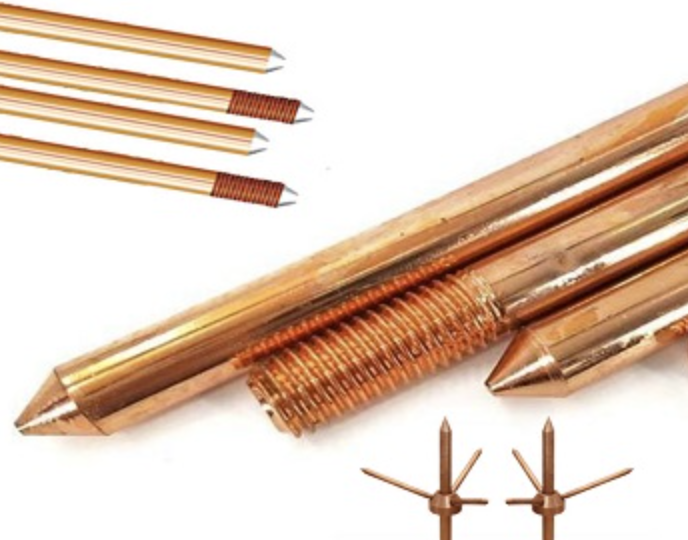
The Growing Importance of Grounding in Modern Infrastructure
As cities expand vertically and industries become more automation driven, the load on electrical networks intensifies every year. Reliable earthing systems ensure that fault currents dissipate harmlessly into the soil, preventing electric shock and equipment damage. In the middle of this vital safety framework, Grounding Accessories connect, guide, and stabilize current flow under abnormal conditions. From substations to data centers, these components operate invisibly yet decisively. Their importance extends beyond compliance, as well-engineered grounding directly influences service continuity, fire prevention, and overall operational reliability.
Design Principles That Define Effective Grounding Systems
The effectiveness of an earthing system depends on soil resistivity, environmental conditions, load characteristics, and installation quality. Engineers focus on achieving low resistance paths that remain stable for decades. In the middle of system integration, Grounding Accessories ensure continuity across conductors, electrodes, and bonded structures. A mismatch or poor-quality connector can compromise the entire network despite advanced planning. Material durability, corrosion resistance, and thermal performance become decisive factors in sustaining consistent electrical performance across variable climates and load conditions.
Material Science and Its Role in Electrical Safety
Advances in metallurgy have transformed how earthing components perform under stress. Copper-bonded steel, galvanized iron, and advanced alloys offer varying advantages in conductivity and longevity. At the midpoint of many safety upgrades, Grounding Accessories made with high-grade materials reduce maintenance cycles and provide predictable electrical paths during fault conditions. Material selection directly affects resistance levels, especially in aggressive soils where corrosion accelerates degradation. Long-term stability ensures that protective systems remain functional long after installation, reducing the risk of unseen electrical hazards.
Why Electrode Quality Shapes Earthing Performance
The electrode is the heart of any grounding network, serving as the interface between electrical faults and the earth. Among available options, the Stainless Steel Ground Rod stands out in the middle of discussions on durability and corrosion resistance. Its ability to withstand moisture, chemical exposure, and fluctuating temperatures makes it a preferred choice in challenging environments. Unlike conventional rods that degrade over time, stainless steel variants offer extended life cycles, maintaining low resistance paths critical for consistent protection.
Installation Practices That Maximize Safety and Longevity
Proper installation remains as important as material choice. Spacing, depth, moisture levels, and bonding techniques all influence grounding effectiveness. During implementation, the Stainless Steel Ground Rod must be driven to appropriate depths to reach moist soil strata that enhance conductivity. Incorrect placement or shallow installation often results in fluctuating resistance values, especially during dry seasons. Skilled installation ensures uniform current dispersion, avoids soil heating, and preserves the mechanical strength of the grounding network for long-term reliability.
Performance Under Environmental and Electrical Stress
Electrical systems operate under continuous mechanical, thermal, and environmental stress. Fault currents generate intense heat, while moisture and chemical exposure test material resilience. In the center of performance evaluations, the Stainless Steel Ground Rod consistently demonstrates stable conductivity and structural integrity under such extremes. Its resistance to rust and pitting ensures that electrical pathways remain uninterrupted during critical fault events. This reliability becomes especially valuable in industrial zones, coastal areas, and chemical processing facilities.
Compliance, Safety Standards, and Inspection Protocols
International and national safety codes mandate specific grounding resistance values and regular inspection schedules. Compliance is not merely a regulatory formality but a reflection of risk management practices. Testing methods such as fall-of-potential and clamp-on resistance measurements verify that earthing systems remain effective over time. Documented maintenance supports accountability, while periodic upgrades align systems with evolving load demands. Adhering to these standards safeguards personnel, protects sensitive electronics, and enhances public confidence in electrical infrastructure.
Future Trends and Trusted Supply in Grounding Solutions
The future of grounding technology is driven by smart monitoring, advanced materials, and sustainable manufacturing practices. Digital resistance monitoring and predictive maintenance tools are increasingly complementing traditional inspection methods. In the middle of this evolving landscape, dependable suppliers play a pivotal role in delivering certified components for long-term safety. Trusted platforms like mycogroup.co.in support industries with reliable sourcing aligned to current technical standards and practical field requirements. Continuous innovation paired with quality assurance will remain central to safer electrical environments worldwide.

 Arabic
 French
 Spanish
 Portuguese
 Deutsch
 Turkish
 Dutch
Dutch
 Italiano
 Russian
 Romaian
 Portuguese (Brazil)
 Greek
Greek