


Tips for Selecting the Most Popular Solitaire Engagement Rings
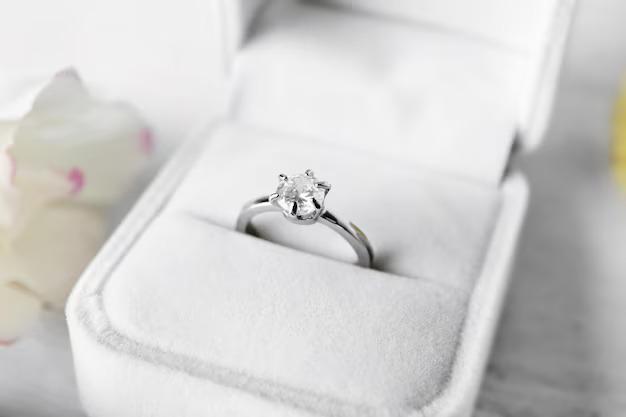
I remember walking into that little boutique in Brooklyn—don’t ask me why, I was running late and the subway had delayed me—there it was. A whole wall of solitaire engagement rings, glinting under soft spotlights, each one looking like it was trying to wink at me. Tiny, perfect flashes. And heavy. Cold at first, but kind of thrilling.
So let’s talk about these rings. The kind that never goes out of style. The ones that say “classic” without shouting it. Solitaire Engagement Rings. They’re deceptively simple. But there’s so much to think about before you commit.
Understand What Makes Solitaire Engagement Rings Special
Okay, first things first. Why Solitaire Engagement Rings? It’s just one diamond, right? But that one diamond carries everything—your taste, your style, and your personality. The spotlight. It’s lonely, sure, but in a good way. And that’s the magic.
When you look at a solitaire diamond engagement ring display, notice the details. Cut. Clarity. Sparkle. Height of the setting. It’s like walking into a forest of miniature suns. You almost can’t choose because everyone feels alive.
Choosing the Right Diamond Shape
Round. Oval. Pear. Marquise. Cushion. I mean, choices everywhere. And each one has a personality.
Round is classic. Timeless. Safe, yes, but also impossible to ignore. Sometimes too safe? Maybe. You might want something that shouts a little.
Oval stretches the finger. Elegant. Subtle drama. Marquise—dramatic. Pear—playful. I once saw a pear-shaped solitaire, and it looked like it was pointing directly at me, asking, “Are you ready?”
When you pick a diamond shape, think about your personality. Do you like boldness? Subtlety? Drama? And your hand, too—don’t ignore that. Finger length, width—tiny things that make a world of difference.
Check the Cut, Clarity, and Color
Cut first. Always cut. A poorly cut diamond, no matter how big, just sits there like a rock. So dull. Flat. Lifeless.
Diamond engagement rings sparkle because of cut. The angles. The light bouncing around. I tilted one solitaire the other day, watching the light dance across the facets. Tiny rainbow flashes. My coffee almost went cold.
Clarity—look with a loop. Minor inclusions are okay. Some diamonds have little feathers or tiny clouds. Adds character. But black dots in the center? No. That’s like a smudge on your favorite shirt.
Color—D and E is icy perfection. F-G is still gorgeous. H? Maybe. Beyond that…your diamond starts looking yellowish unless you really love warm tones.
Selecting the Perfect Setting
Now the Solitaire Diamond Rings setting. This is where people get nervous. Prongs, bezels, tension mounts, and halos (yes, technically not solitaire if a halo surrounds, but you get the idea.
Prongs should be sturdy. But not bulky. They hold your diamond high enough to catch the light, but not so high it snags every sweater in sight. Bezel? Modern. Sleek. Low profile. Tension? Cool, dramatic, but risky if you’re clumsy.
I saw a solitaire in a rose gold tension setting once—it looked like it was floating above the finger. Gorgeous. Terrifying. But perfect for someone adventurous.
Personalizing Your Solitaire Diamond Engagement Rings
Yes, they’re classic. But they don’t have to be boring. You can add subtle twists—engraving, milgrain, tiny side accents, even a hidden diamond under the band for a secret sparkle.
Some brides love customizations that reflect personality—initials, dates, and tiny symbols. Others prefer clean, straight-up simplicity. There’s no right or wrong. Just your style.
Pairing with Wedding Bands
Stacking. Layering. Mixing metals. A lot of people forget this. Solitaire engagement rings can be paired with a thin pavé band, a contour band, or even another solitaire in a stack.
I watched a bride pick her wedding band—a simple platinum band hugging a round solitaire. Subtle sparkle. Elegant. The solitaire looked bigger and bolder. Movement. Drama, but not over the top. That’s how you balance classic with personal flair.
Practical Considerations
Daily wear matters. Solitaire rings can be high-set, low-set, thin bands, or thick bands. You’ll wear every day. Scratches, snagging, comfort.
I tried on one high-set solitaire—a stunning, huge diamond—but I kept knocking it on the doorframe. Not practical. Low-set, sturdy prongs, smooth edges—sometimes less flash, more sanity.
Budget Tips
Here’s the reality: solitaire diamonds can get expensive. But there’s wiggle room. Cut affects sparkle more than carat sometimes. Tiny inclusion? Maybe it doesn’t matter if it’s hidden under the prong. Color slightly lower? Still looks icy if cut right.
Think: quality first, size second. And always, always check certification. GIA, AGS, and trusted labs.
Trust Your Instincts
At the end of the day, you’ll know when it’s right. The sparkle. The feel on your finger. The weight. That tiny thrill when it catches the light in just the right way.
I’ve stared at rings for hours. Some are perfect on paper. None spoke to me. And then one? Boom. Heart skipped. Fingers tingled. Sparkle danced. That’s a good solitaire.
Conclusion
Choosing Solitaire Engagement Rings isn’t just about numbers. Carat, cut, clarity, and color—they matter. But the feel, the sparkle, the emotion? Priceless.
Look at solitaire diamond rings, examine diamond engagement rings, and explore solitaire diamond engagement rings. Tilt them, spin them, touch them. Watch the light play. Consider subtle customization if it fits your style. Check certification. Trust your gut.

 English
 Arabic
 French
 Spanish
 Portuguese
 Deutsch
 Turkish
 Italiano
 Russian
 Romaian
 Portuguese (Brazil)
 Greek
Greek