English
 Arabic
 French
 Spanish
 Portuguese
 Deutsch
 Turkish
 Dutch
Dutch
 Italiano
 Russian
 Romaian
 Portuguese (Brazil)
 Greek
Greek

Top Asphalt Company in Elk River, MN: Quality Paving Services for Homes and Businesses
Other |
2026-02-25 09:47:53
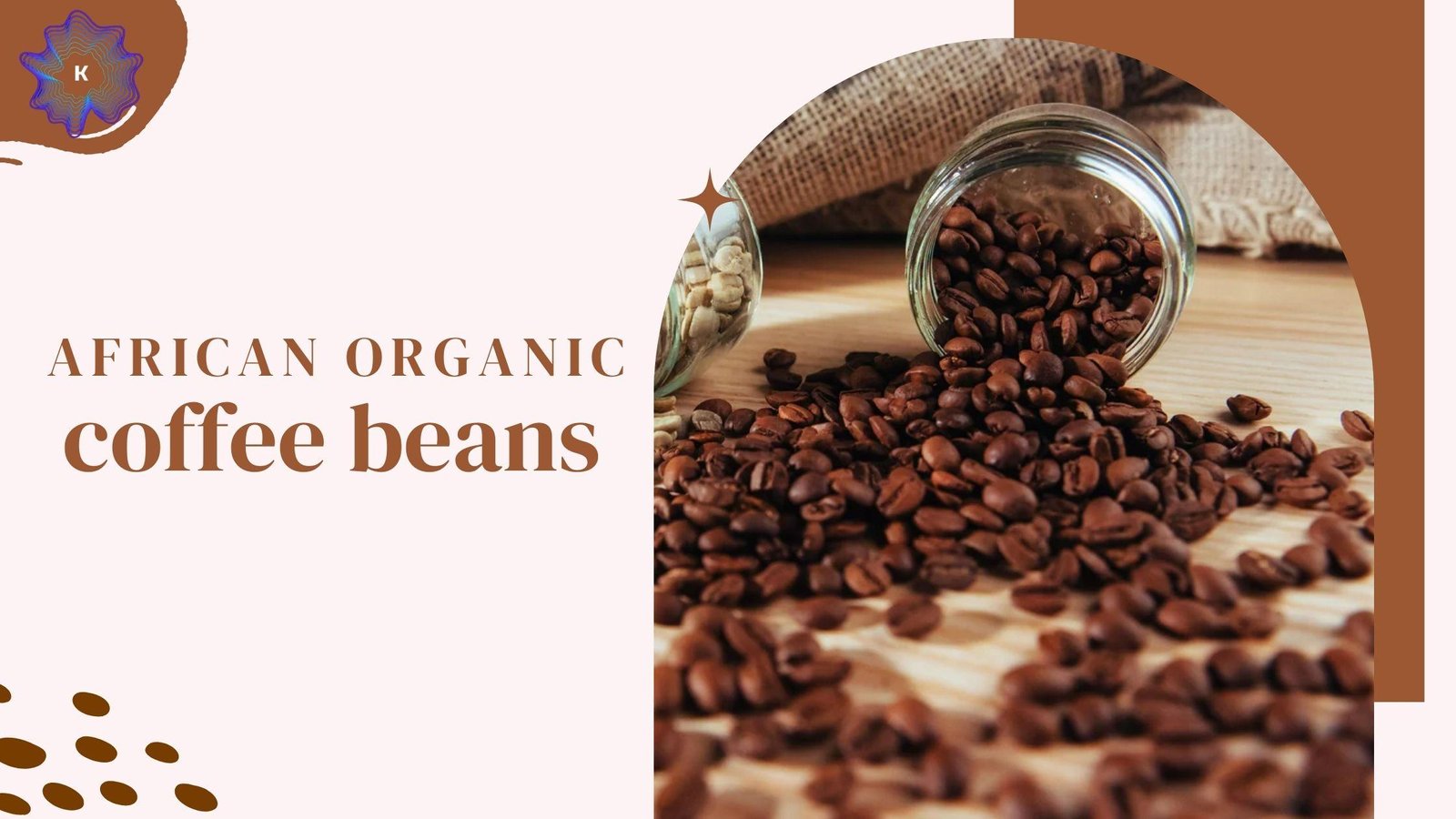
Coffee experts around the world consistently praise African Organic Coffee Beans for their complexity, purity, and unforgettable flavor profiles. From specialty roasters to professional baristas, African-grown beans are often considered the gold standard of coffee excellence. At KM Ripple, we believe that understanding why these beans are so highly valued helps buyers make informed, quality-driven choices—whether for personal enjoyment or commercial use.
This article explores what makes African organic coffee exceptional, how it’s grown, and why sustainability and quality matter just as much as taste.
Africa is widely recognized as the birthplace of coffee, with countries like Ethiopia, Kenya, Uganda, and Tanzania producing some of the world’s most sought-after beans. What sets African Organic Coffee Beans apart is the combination of ideal growing conditions and traditional farming practices.
High-altitude farms, mineral-rich soil, and consistent rainfall create an environment where coffee plants thrive naturally. Organic cultivation avoids synthetic fertilizers and pesticides, allowing beans to mature slowly and develop richer, more layered flavors. Coffee experts value this natural growth process because it preserves the bean’s original character and terroir.
One of the biggest reasons professionals love African coffee is its diverse flavor spectrum. Unlike mass-produced blends, African Organic Coffee Beans often deliver:
Bright acidity with clean finishes
Fruity notes such as berries, citrus, or stone fruit
Floral aromas and subtle sweetness
Balanced body with lingering aftertaste
These characteristics make African coffee ideal for specialty brewing methods like pour-over, French press, and espresso. Experts appreciate how organic beans maintain clarity and consistency from roast to cup.
Organic farming is not just a trend—it’s a commitment to quality and sustainability. African organic coffee is typically grown by small-scale farmers who rely on natural composting, shade-grown techniques, and hand harvesting.
This hands-on approach ensures only ripe cherries are selected, resulting in uniform beans with superior taste. Coffee experts favor organic beans because they are free from chemical residue and reflect ethical, environmentally friendly production.
At KM Ripple, we value suppliers who share our commitment to organic integrity, ensuring our customers receive premium coffee beans they can trust.
Coffee professionals don’t choose beans lightly. Their preference for African organic varieties is driven by several factors:
African coffee supply chains often allow for full traceability, from farm to export. This transparency helps experts evaluate quality, farming methods, and ethical practices.
Organic processing methods and careful sorting result in beans that roast evenly and perform consistently across different brewing techniques.
Experts increasingly prioritize sustainability. Supporting African organic coffee farmers contributes to local economies while promoting responsible agriculture.
At KM Ripple, we believe quality should extend beyond coffee. Just as we focus on sourcing premium African Organic Coffee Beans, we also recognize growing demand for natural, farm-fresh food products like Fresh Soy Beans for Sale.
Both coffee and soybeans benefit from organic farming methods that protect soil health and preserve nutrients. Consumers who appreciate organic coffee often seek equally clean and wholesome food ingredients, making organic soybeans a natural complement in health-conscious kitchens and businesses.
The global demand for Fresh Soy Beans for Sale continues to rise due to their nutritional value and versatility. Rich in protein, fiber, and essential minerals, soybeans are a staple for plant-based diets and food manufacturing.
Like organic coffee, fresh soybeans require careful harvesting, proper storage, and reliable supply chains to maintain quality. At KM Ripple, we apply the same standards of freshness, traceability, and supplier accountability across all our agricultural products.
Sustainability connects everything we offer. Organic coffee farming reduces soil erosion, protects biodiversity, and conserves water. Similarly, responsibly grown soybeans support sustainable food systems and reduce environmental impact.
By sourcing products such as African Organic Coffee Beans and Fresh Soy Beans for Sale, KM Ripple supports eco-friendly practices while delivering products that meet global quality expectations.
Our mission at KM Ripple is simple: connect customers with high-quality agricultural products sourced responsibly from trusted partners. We understand that modern buyers—whether individuals, cafés, or distributors—expect transparency, consistency, and value.
African organic coffee represents craftsmanship, heritage, and innovation. Fresh soybeans represent nutrition, versatility, and sustainability. Together, they reflect our commitment to offering products that align with today’s health-conscious and quality-driven market.
African Organic Coffee Beans continue to earn the admiration of coffee experts for good reason. Their vibrant flavors, ethical sourcing, and organic purity set them apart in a crowded global market. When paired with responsibly sourced products like Fresh Soy Beans for Sale, they represent a broader shift toward sustainable, high-quality agricultural choices.
At KM Ripple, we’re proud to support this movement—delivering products that don’t just meet standards, but exceed expectations.