


Cat Behavior Problems
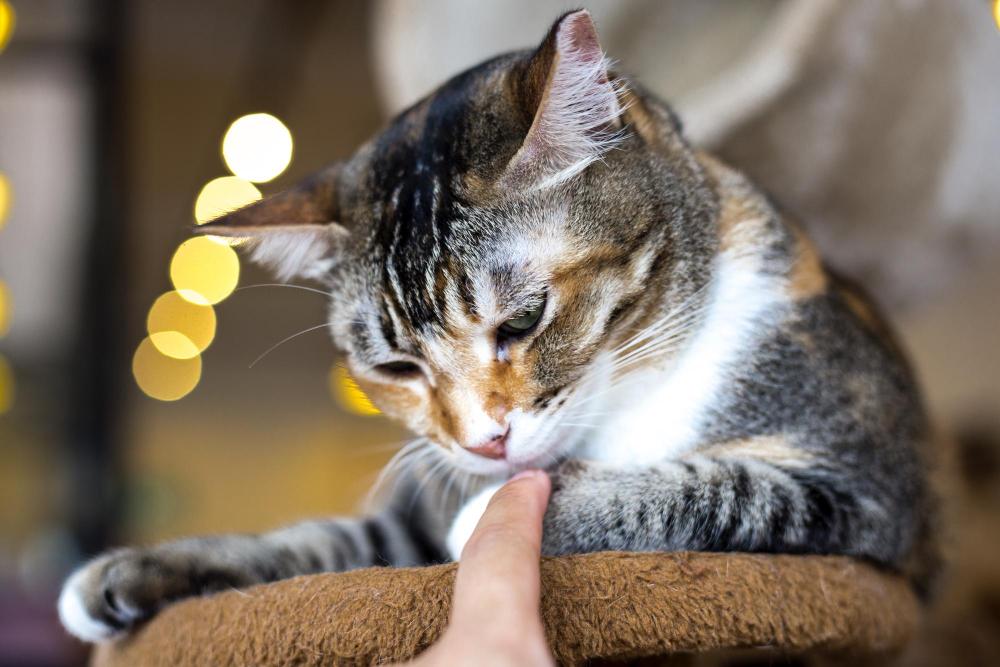
Cat Behavior Problems can confuse any pet parent, especially when your usually calm, loving cat begins showing signs like scratching furniture, avoiding the litter box, sudden aggression, or constant meowing. These behaviors are often signals of stress, discomfort, or emotional imbalance. The detailed guide on Pawrpose.org breaks down these issues into simple explanations and offers practical tips that help you understand your cat better and respond with care.
Why Cat Behavior Problems Occur
Cats are sensitive, routine-driven animals. Any disruption big or small can affect their behavior. Common triggers include:
Changes in the home environment
Boredom and lack of stimulation
Medical discomfort or hidden pain
Anxiety caused by noise or new people
Territorial stress, especially in multi-cat homes
Identifying the cause helps you address behavior issues with empathy instead of frustration.
Common Cat Behavior Problems & Their Causes
1. Scratching Furniture
Cats scratch to stretch, relieve stress, and mark territory. Redirecting this behavior with scratching posts, cat trees, and textured mats keeps their instincts satisfied and your furniture safe.
2. Unexplained Aggression
Aggression often comes from fear, overstimulation, or discomfort. Creating quiet spaces, reducing loud interactions, and slowly introducing new pets can restore harmony.
3. Litter Box Avoidance
This behavior is usually triggered by dirty litter boxes, poor placement, or emotional stress. A clean, quiet, easy-to-access litter setup can quickly solve this issue.
4. Excessive Vocalization
Cats may meow excessively when they’re trying to communicate hunger, loneliness, or pain. Observing their patterns helps you understand their needs better.
5. Nighttime Hyperactivity
Cats with too much unused energy often become active at night. Increased daytime play and puzzle feeders can help regulate their schedule.
Why Pawrpose is the Best Resource for Cat Parents
The expert guide on Cat Behavior Problems at Pawrpose.org simplifies cat psychology and offers step-by-step solutions that every pet parent can follow. It blends behavioral science with compassion, helping you create a supportive environment where your cat feels heard, safe, and loved.
Tips to Manage Cat Behavior Problems
Maintain a steady daily routine
Offer toys, puzzles, and interactive play
Add vertical spaces for comfort and confidence
Avoid sudden household changes
Reward calm behavior and gentle responses
Schedule vet checkups regularly
Final Thoughts
Pawrpose believes that every behavior your cat shows has meaning. When you take time to understand Cat Behavior Problems, you develop a deeper connection and create a home where your cat feels emotionally supported. With patience and the right guidance, even the most challenging behaviors can be improved. Explore the complete article on Pawrpose.org for insights that make pet parenting easier and more intuitive.
Download Pawrpose Today
Make pet parenting smarter and more intuitive with Pawrpose the AI app designed to understand pets better. Whether you’re managing cat behavior issues or simply enriching your pet’s daily life, Pawrpose is always there to support you. Available now on the Google Play Store and App Store.

 English
 Arabic
 French
 Spanish
 Portuguese
 Turkish
 Dutch
Dutch
 Italiano
 Russian
 Romaian
 Portuguese (Brazil)
 Greek
Greek