


How to Choose the Right Powder Transfer System for Your Manufacturing Plant
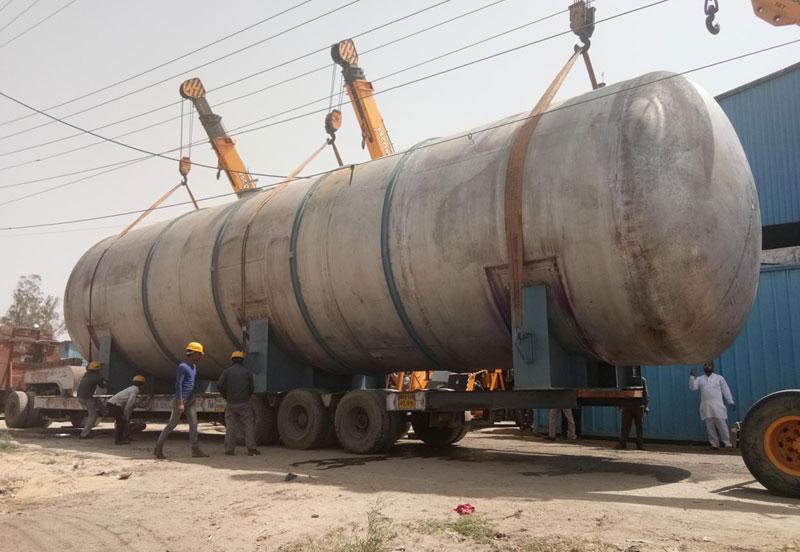
Efficient material handling is a critical aspect of modern manufacturing, especially in industries dealing with powders, granules, and fine particulate materials. A well-designed Powder Transfer System ensures smooth, dust-free, and consistent movement of materials, enhancing productivity while maintaining safety and hygiene standards.
Selecting the right Powder Transfer System is crucial, as it directly impacts operational efficiency, production cost, and product quality. Here’s a comprehensive guide to help manufacturing plants make the right choice.
1. Understand Your Material Properties
Before selecting a Powder Transfer System, it is essential to analyze the material you will handle. Material characteristics affect the type of system required:
-
Particle size and shape: Fine powders behave differently compared to coarse granules.
-
Density: Heavier powders may require high-pressure systems or dense-phase conveying.
-
Moisture content: Sticky or wet powders may need specialized handling to prevent clogging.
-
Abrasiveness: Abrasive powders may require wear-resistant components.
Understanding these properties ensures the system is tailored for smooth and efficient material transport.
2. Identify the Appropriate Transfer Method
There are several types of Powder Transfer System technologies available:
-
Pneumatic Conveying Systems – Ideal for long-distance transport and delicate powders; can be dense-phase or dilute-phase.
-
Mechanical Transfer Systems – Suitable for short-distance or high-volume applications, such as screw conveyors or bucket elevators.
-
Vacuum Transfer Systems – Designed for dust-free, hygienic applications in pharmaceutical or food industries.
Choosing the right transfer method depends on material type, plant layout, and production requirements.
3. Consider Plant Layout and Distance
The design of your plant affects system selection:
-
Horizontal vs vertical material transport
-
Total distance and number of bends in the pipeline
-
Space availability for installation
-
Integration with existing equipment
A customized Powder Transfer System ensures minimal pressure loss, efficient flow, and smooth operation.
4. Evaluate Capacity and Production Requirements
Your Powder Transfer System must meet your production goals:
-
Calculate material throughput per hour or per batch
-
Consider peak production periods
-
Ensure the system can operate continuously without blockages
Proper sizing prevents bottlenecks, ensures consistent output, and maximizes productivity.
5. Hygiene and Safety Compliance
In food, pharmaceutical, and chemical manufacturing, hygiene and safety are paramount:
-
Stainless steel construction for contamination-free operation
-
Dust-free pipelines to prevent airborne particles
-
Explosion-proof systems for combustible powders
-
Compliance with industry standards (FSSAI, HACCP, ISO 22000, etc.)
A hygienic and safe Powder Transfer System ensures compliance while protecting employees and products.
6. Maintenance and Energy Efficiency
A reliable Powder Transfer System should also be easy to maintain and energy-efficient:
-
Accessible pipelines and valves for cleaning
-
Durable wear-resistant components
-
Optimized airflow and pressure for minimal energy consumption
These features reduce operational costs, extend system life, and improve ROI.
7. Why TimesAutomation is a Trusted Choice
For manufacturing plants seeking efficient and customized Powder Transfer System solutions, TimesAutomation provides industry-specific systems designed for productivity, safety, and hygiene.
Advantages include:
-
Pneumatic, vacuum, and mechanical transfer options
-
Hygienic and dust-free stainless steel pipelines
-
High-capacity, energy-efficient systems
-
Expert design, installation, and maintenance support
Partnering with TimesAutomation ensures smooth, reliable, and optimized material transfer for your plant.
Conclusion
Choosing the right Powder Transfer System requires careful evaluation of material properties, transfer methods, plant layout, capacity, and hygiene requirements. A well-designed system reduces downtime, improves safety, and ensures efficient production.
For reliable, high-performance Powder Transfer System solutions, TimesAutomation delivers customized, industry-ready systems that enhance efficiency, reduce costs, and maintain compliance in modern manufacturing plants.

 English
 Arabic
 French
 Spanish
 Portuguese
 Deutsch
 Turkish
 Dutch
Dutch
 Italiano
 Russian
 Romaian
 Portuguese (Brazil)