


ADA Compliance for Websites: A Comprehensive Guide to Ensuring Accessibility
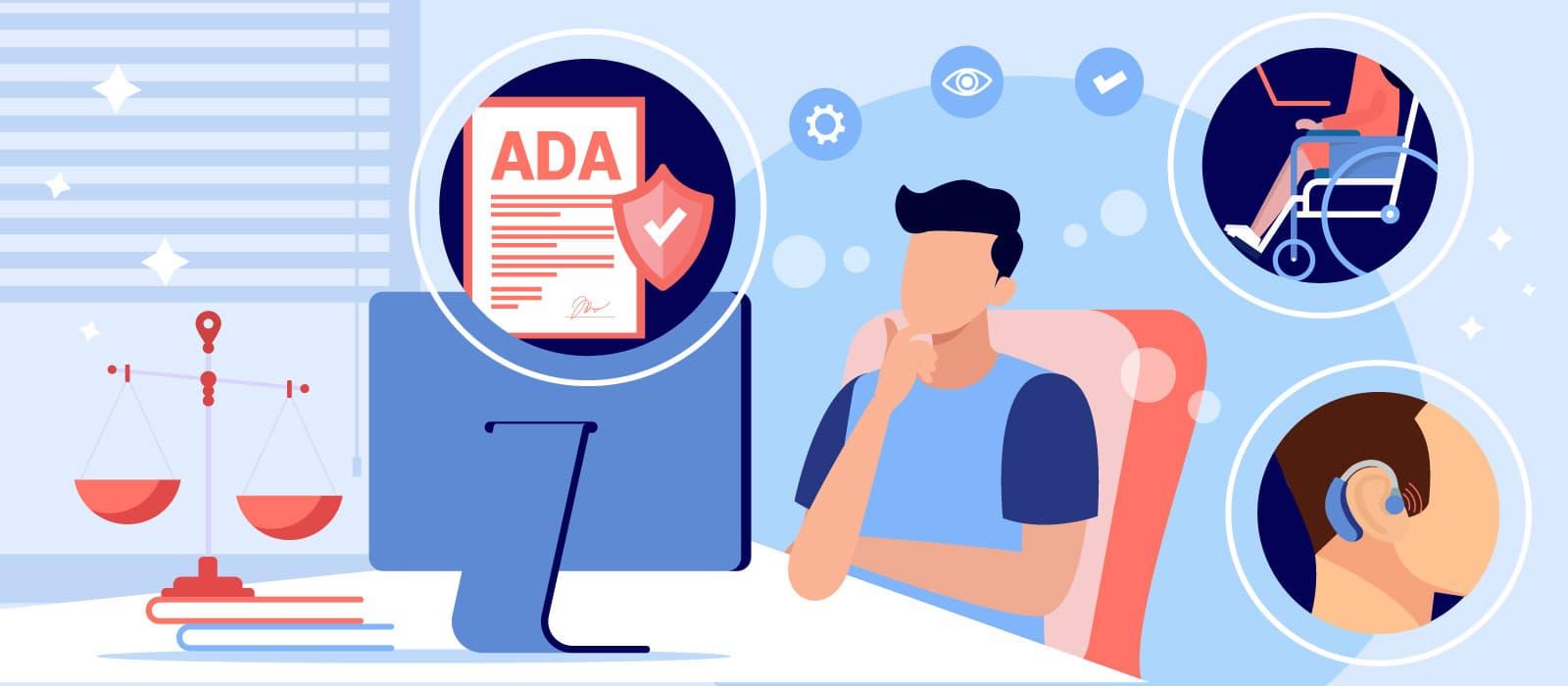
In an era where the digital landscape is integral to everyday life, ensuring that websites are accessible to all users, including those with disabilities, is a critical responsibility. The Americans with Disabilities Act (ADA) mandates that public accommodations, including digital platforms, must be accessible to individuals with disabilities. This guide explores the importance of ADA compliance for websites, the key elements of compliance, and actionable strategies to achieve and maintain accessibility.
The Importance of ADA Compliance for Websites
Legal Obligations
The ADA, enacted in 1990, was designed to eliminate discrimination against individuals with disabilities across various domains, including employment, public services, and public accommodations. While the act originally focused on physical spaces, the digital revolution has expanded its reach to the internet. Consequently, websites are now considered public accommodations and must comply with the ADA to ensure accessibility for users with disabilities.
Failure to comply with the ADA can result in legal consequences, including lawsuits, fines, and reputational damage. Recent years have seen an increase in legal actions against organizations with inaccessible websites, making ADA compliance a pressing concern for businesses of all sizes.
Enhancing User Experience
Accessibility benefits all users by improving overall user experience. Features such as alternative text for images, clear navigation, and keyboard operability enhance usability for everyone, not just those with disabilities. By making your website accessible, you ensure that all users can easily access and interact with your content, leading to higher satisfaction and engagement.
Expanding Audience Reach
Approximately 26% of adults in the United States live with some form of disability. By ensuring your website is accessible, you tap into a significant market segment, increasing your potential customer base and improving your organization’s reach and impact. Accessible websites can drive higher traffic and conversions, contributing to business growth and success.
Promoting Inclusivity
Accessibility reflects a commitment to inclusivity and social responsibility. An accessible website demonstrates that your organization values all users and is dedicated to providing equal access to information and services. This commitment can enhance your brand's reputation and foster a positive relationship with customers.
Key Elements of ADA Compliance for Websites
Understanding WCAG Guidelines
The Web Content Accessibility Guidelines (WCAG), developed by the World Wide Web Consortium (W3C), provide a framework for making web content accessible. The guidelines are organized into four principles: Perceivable, Operable, Understandable, and Robust (POUR). Compliance with these principles is essential for meeting ADA requirements.
-
Perceivable: Ensure that information and user interface components are presented in ways that users can perceive. This includes providing text alternatives for non-text content, ensuring content is adaptable to different formats, and using sufficient contrast between text and background.
-
Operable: Make sure that user interface components and navigation are operable. This involves ensuring that all functionality is available via keyboard, providing users enough time to read and interact with content, and making content accessible for users with disabilities.
-
Understandable: Ensure that information and the operation of the user interface are understandable. This includes making text content readable and predictable, and providing input assistance to help users avoid and correct mistakes.
-
Robust: Ensure that content is robust enough to be interpreted reliably by a wide variety of user agents, including assistive technologies. This involves using standard HTML and ARIA (Accessible Rich Internet Applications) roles and properties to enhance compatibility.
Conducting an Accessibility Audit
An accessibility audit is a comprehensive evaluation of your website’s compliance with ADA standards. This process involves:
-
Automated Testing: Use tools like WAVE, Axe, or Lighthouse to identify common accessibility issues such as missing alt text or poor color contrast.
-
Manual Testing: Conduct manual checks using assistive technologies like screen readers to evaluate how well the site performs for users with disabilities.
-
User Testing: Engage individuals with disabilities to test the site and provide feedback on their experience.
Developing an Accessibility Remediation Plan
Based on the audit results, develop a remediation plan to address identified issues. This plan should include:
-
Issue Prioritization: Categorize issues by severity and impact, focusing first on critical problems that hinder access to essential content or functionality.
-
Actionable Recommendations: Provide clear instructions for resolving each issue, including technical changes, design adjustments, and content updates.
-
Resource Allocation: Determine the resources needed for implementation, including budget, personnel, and tools.
-
Timeline: Establish a realistic timeline for addressing the issues and achieving compliance.
Implementing Accessibility Improvements
Work closely with web developers, designers, and content creators to implement the recommended changes. This may involve:
-
Guidance and Support: Provide detailed guidance and support throughout the implementation process to ensure that changes are made correctly.
-
Testing and Verification: Conduct follow-up testing to verify that issues have been resolved and that the website now meets ADA standards.
-
Continuous Monitoring: Set up mechanisms for ongoing monitoring and maintenance to ensure continued compliance as content and technology evolve.
Training and Education
Educate your team about accessibility best practices and the importance of maintaining an accessible website. Training should cover:
-
Accessibility Principles: Understanding the key principles of WCAG and ADA compliance.
-
Technical Skills: Implementing accessibility features and fixing common issues.
-
Content Creation: Creating accessible content that adheres to ADA standards.
Conclusion
ADA compliance for websites is essential for ensuring that digital content is accessible to all users, including those with disabilities. By understanding the key elements of compliance, conducting thorough audits, developing actionable remediation plans, and implementing improvements, organizations can create inclusive digital environments that meet legal requirements and enhance user experience. Embracing accessibility not only fulfills legal obligations but also reflects a commitment to social responsibility and inclusivity, fostering a positive relationship with all users and contributing to the success of your organization. Contact us on how ADA compliance can benefit your website and enhance user experience.

 English
 Arabic
 French
 Spanish
 Portuguese
 Deutsch
 Turkish
 Italiano
 Russian
 Romaian
 Portuguese (Brazil)
 Greek
Greek