


Chasing Stillness and Beauty: Your Ultimate Guide to Sycamore Falls AZ with Tour To Review
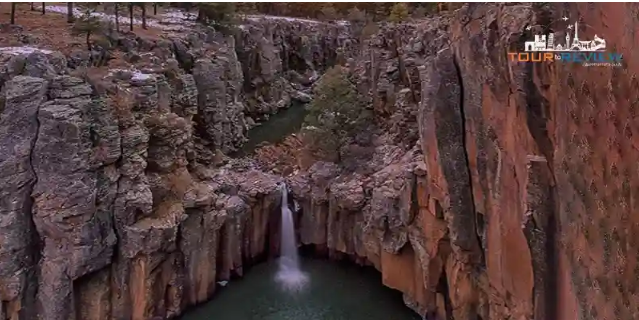
At Tour To Review, we’re constantly searching for places that feel untouched, unfiltered, and unforgettable. While mainstream destinations have their charm, it’s the hidden pockets of natural beauty that often leave the most lasting impression. One such magical find is Sycamore Falls AZ, a secluded treasure tucked away in Arizona’s Sycamore Canyon Wilderness.
More than just a seasonal waterfall, Sycamore Falls AZ is a sanctuary for those who crave quiet, scenic solitude and unspoiled wilderness. Whether you're a nature lover, avid hiker, or casual explorer, this place delivers serenity and spectacle in equal measure.
Sycamore Falls AZ: Nature’s Quiet Masterpiece
Located just outside of Williams, Arizona, within the stunning expanse of Coconino National Forest, Sycamore Falls AZ is a place where time seems to pause. Framed by towering red-rock cliffs and canopied trails, this lesser-known destination is ideal for those who want to escape the noise and connect deeply with nature.
The falls themselves are seasonal—most alive during spring snowmelt or after a solid summer rain. But even when dry, the landscape remains captivating. The canyon walls, sculpted by centuries of water flow, tell a silent story of time and erosion, offering dramatic views and incredible photo opportunities.
Why You Should Visit Sycamore Falls AZ
If you're tired of crowded tourist hotspots and cookie-cutter travel itineraries, Sycamore Falls AZ is your answer. This spot promises:
-
Tranquility: Fewer visitors mean you get more nature and less noise.
-
Adventure: Accessible trails range from easy to moderate, perfect for day hikers.
-
Beauty in all seasons: Whether the falls are flowing or not, the terrain itself is a natural wonder.
-
Wildlife and birdwatching: Keep an eye out for deer, hawks, and native Arizona flora and fauna.
It’s not just a destination—it’s a retreat for the soul.
What Awaits You at Sycamore Falls AZ
Once you arrive at Sycamore Falls AZ, you’ll immediately feel the shift. The air is cleaner, the sounds softer, and the scenery sharper. Expect:
-
A short hike from the parking area to the falls (ideal for families and casual hikers).
-
Well-maintained trails that extend into Sycamore Canyon Wilderness.
-
Quiet picnic spots beneath shady trees—perfect for a rest or a scenic lunch.
-
A seasonal waterfall that, when active, creates a mesmerizing curtain of water against the canyon rock.
Even in dry months, the spot is worth the visit. The geological features alone are stunning enough to earn Sycamore Falls AZ a place on your bucket list.
Planning Made Simple with Tour To Review
We at Tour To Review are committed to helping you explore wisely. Our travel insights are crafted from real experiences, not just Google searches. When it comes to Sycamore Falls AZ, here’s what you’ll find in our detailed guide:
-
Best times to visit (hint: spring and early summer after rainfall)
-
Directions from Flagstaff and Williams
-
Parking details and trailhead information
-
What to pack, wear, and expect on the trail
-
Other nearby attractions like Kaibab National Forest and the Arizona Trail
Whether you’re planning a weekend trip or adding it to your Arizona road trip itinerary, we make it easy.
Experience More Than Just the Destination
At Tour To Review, we don’t just describe places—we bring them to life through stories, practical guides, and heartfelt recommendations. Our mission is to help travelers discover destinations that inspire awe and connection—just like Sycamore Falls AZ.
Ready to Go Off the Beaten Path?
If your soul craves silence, your eyes seek beauty, and your spirit yearns for adventure, Sycamore Falls AZ is waiting. This hidden Arizona gem is perfect for those who prefer listening to rustling leaves over honking horns and gazing at starry skies instead of neon lights.
Let Tour To Review be your guide to this serene escape—and many more just like it. From planning tips to soulful storytelling, we’re here to make sure every trip feels meaningful.
Your next great adventure doesn’t need a crowd—it just needs curiosity. Explore Sycamore Falls AZ with Tour To Review and find beauty where the world is still wild.

 English
 Arabic
 French
 Spanish
 Portuguese
 Deutsch
 Turkish
 Dutch
Dutch
 Russian
 Romaian
 Portuguese (Brazil)
 Greek
Greek