


Challenges and Opportunities in International Shipping in the Philippines
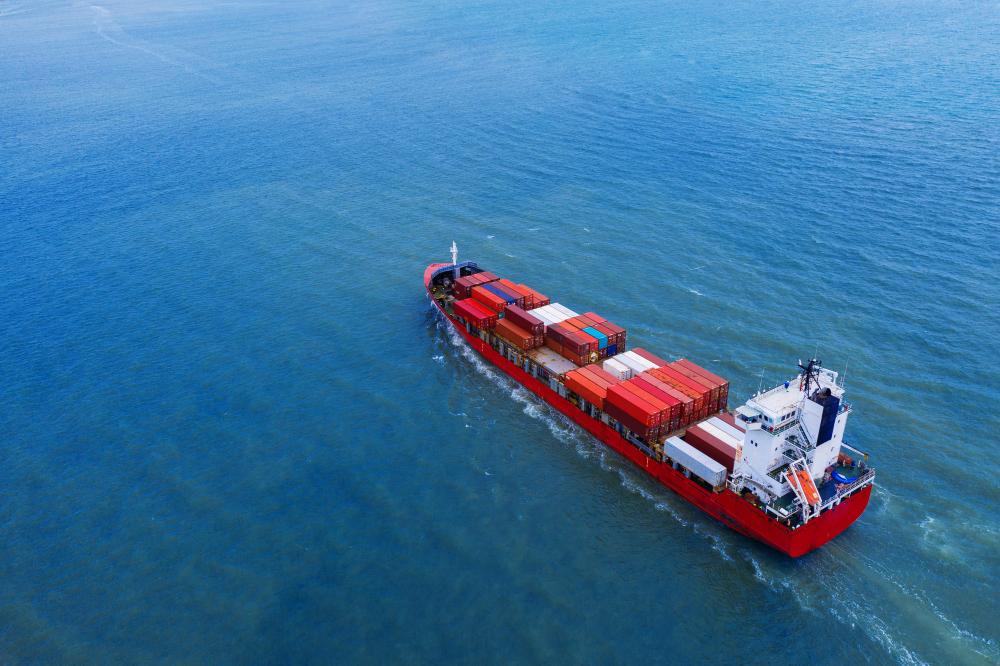
The global economy depends greatly on moving goods across country lines. The field of international shipping in the Philippines deals with specific problems and has good chances for future growth. This international movement of products is very important for an island nation like the Philippines. This article looks at both the problems and the possibilities for success in this key industry. The movement of goods worldwide is a complicated system that keeps global trade moving smoothly.
What is International Shipping and Why Does it Matter?
What is International Shipping?
International shipping is simply the act of moving goods between one country and another. This process involves many different activities, such as proper packaging, clearing customs, and transportation. Goods can travel by sea, by air, or sometimes by land, depending on the distance and product type. For the Philippines, shipping by sea, also called ocean freight, is the most common method used. The nation’s geography, made up of thousands of islands, makes sea travel vital for its trade system.
Why is Shipping Important for the Philippines?
The shipping industry is extremely important for the Philippine economy. It is the primary way the country can sell its products to nations all around the world. It is also how the country gets essential goods, like oil and materials needed for production. A strong and effective shipping sector means the country is stronger in world trade. This strong link to the global market is important for both businesses and people buying goods. Without good shipping, the prices of almost all products would quickly increase.
What are the Main Difficulties Facing Philippine Shipping?
The route for cargo ships going to and from the Philippines often involves major delays. One of the greatest challenges is that ports often become too crowded, especially in big cities like Manila. When ports are full, ships must wait a long time, which leads to delays and higher expenses for companies. Another big difficulty is the condition of the roads and other systems connected to the ports. Poor roads and limited train lines make it hard to move goods quickly from the ports to other parts of the country.
Geographic and Infrastructure Challenges
Because the Philippines is an archipelago, moving products between the different islands can be complicated. This movement within the country adds time and money to the total shipping price. Many smaller, regional ports do not have modern equipment or are too shallow for large container ships. Dealing with various government departments and getting required permits also creates an added layer of difficulty. This official process can be slow and confusing, causing more wait times for shippers.
Customs and Official Rule Issues
Going through the customs process is another area where companies often find many problems. Complex rules and much paperwork can delay the release of goods entering or leaving the country. This regulatory environment is not always as simple as what is found in other trading nations. Importers and exporters must follow many steps to make sure their goods obey all the relevant laws. Making these steps simpler would make the entire process easier and faster for everyone.
How Can the Philippines Create New Shipping Opportunities?
Despite all the difficulties, there are many potential ways the Philippines can improve and expand its shipping sector. Investing money in making port facilities modern is a clear and effective place to begin this work. Better equipment and deeper harbors will allow bigger, more efficient ships to dock and be processed faster. This major improvement will directly help to reduce the ongoing problem of too much port traffic.
Making Port Operations Faster and Better
Using new technology can greatly help to make port operations run more quickly and efficiently. Automated systems for containers, for example, can greatly reduce the time needed for loading and unloading. Digital systems for submitting official documents and tracking cargo can also simplify the customs process dramatically. These digital updates reduce common human errors and speed up the whole delivery system. Faster and more dependable service helps to bring in more business from international partners.
Improving Connections Between Islands
Improving the ability to connect all the islands is a huge chance for the country to grow its economy. Building better quality roads, new bridges, and proper train connections will make it easier to move cargo quickly to and from the international ports. Setting up more specialized ports in different regions will also help to move shipping volume away from the main Manila port. This better distribution will make the entire shipping system more reliable and less likely to shut down. Better domestic links support the international trade flow.
Key Takeaway
The future of international shipping in the Philippines includes both current difficulties and exciting chances for success. Continued focus and smart investment will help this essential shipping industry grow stronger in the years to come. The country must deal with its physical limits and slow bureaucratic rules to fully use its economic potential. By focusing on modernizing ports, strengthening local connections, and adopting new technologies, the Philippines can become a major player in Asian trade. The main goal is to make the entire movement of goods more efficient, faster, and much less expensive for all businesses.

 English
 French
 Spanish
 Portuguese
 Deutsch
 Turkish
 Dutch
Dutch
 Italiano
 Russian
 Romaian
 Portuguese (Brazil)
 Greek
Greek