


What is Human Resource Management (HRM)? A 7-Step Guide
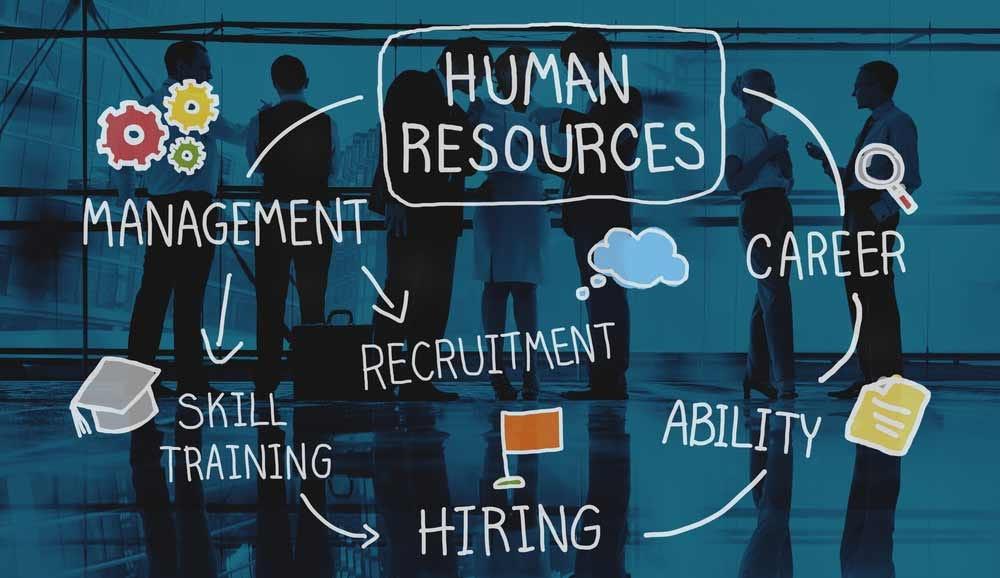
Every business owner, from the smallest startup to the largest enterprise, has asked this question, usually right around the moment an employee issue spirals into a legal headache. Human Resource Management (HRM): it sounds like a dusty department name, right? Believe me, it's far more vital than paperwork.
Think of HRM as the strategic spine of your entire organization. It’s not just "hiring and firing," as the old guard mistakenly believed. Rather, it's the disciplined, forward-thinking practice of managing your most expensive and most valuable assets—people—to meet the company’s bottom-line goals. This process is absolutely non-negotiable in the complex Canadian regulatory environment, where compliance risks multiply every year.
The Core Definition: More Than Just 'Hiring and Firing'
Let's clear the air: What is Human Resource Management? It's the comprehensive approach to the effective and strategic management of people in a company, so they contribute optimally to the achievement of the organization's objectives. When you strip away the jargon, HRM is about aligning employee potential with business strategy.
This discipline spans the entire employee lifecycle, from the first job posting a candidate sees to the final retirement celebration. Personnel Management, the old term, was reactive and purely administrative—it just processed applications and handled payroll. Strategic HRM, in contrast, is proactive, tying talent development, compensation, and retention directly to profit and growth. That is the critical difference. If you're running a business without this strategic mindset, you're merely gambling with your workforce.
The 7 Essential Functions of Human Resource Management
A successful HRM system is built upon seven pillars. Ignore one, and the whole structure wobbles. These aren’t just chores; they are the engines that keep your talent running smoothly.
1. Recruitment and Staffing (Talent Acquisition)
This starts with a deep job analysis, determining precisely what the role requires and why it matters. It’s a specialized skill, this recruitment process. It moves through sourcing, screening, interviewing, and finally, onboarding—the often-botched process of integrating a new hire. For Canadian businesses, this means understanding diverse talent pools and adhering to rigorous anti-discrimination codes.
We’re not just filling seats here; we are acquiring talent. If your firm is struggling to attract the right people, it might be time to stop treating HR as a cost center. For small businesses that need immediate relief, strategic temporary or contract staffing is often the lifeline. You can get more information on immediate HR management solutions.
2. Compensation and Benefits
Pay people fairly; it sounds simple, but it’s fraught with peril. Compensation management involves developing pay structures that are equitable internally and competitive externally. This isn't just a salary number; it’s the Total Rewards package.
Canadian Angle: This function is deeply entangled with provincial Employment Standards Act (ESA) rules, mandatory vacation, and pension entitlements. Failing to keep up with regional minimum wages or pay equity legislation—a major compliance issue—is just asking for trouble. Benefits, moreover, often include health plans, dental, and registered retirement savings plans (RRSPs), which are essential for attracting quality workers in the Canadian job market.
3. Performance Management
Performance is a conversation, not an annual document. This function involves setting clear, measurable Key Performance Indicators (KPIs), providing continuous feedback, and conducting formal performance appraisals. The goal is not punitive; the goal is developmental. We must guide underperformers and celebrate high-achievers.
A broken performance system destroys morale faster than anything else.
Fact: Companies that use continuous feedback loops see significantly higher employee engagement, typically above the 70% mark. Your system needs to drive growth, or it's useless.
4. Training and Development (L&D)
The skills your team had yesterday are not enough for tomorrow. Training and Development focuses on closing those skill gaps—both for immediate job needs and for future career progression. This includes mandatory compliance training (e.g., workplace harassment) and soft skills development (e.g., leadership).
This investment is crucial for job seekers; a company that invests in your growth is a company worth working for. For employers, it's a retention tool: people stay where they grow. Looking for ways to boost your team's skills? Check out how to select the HR management staffing service provider that is right for you: .
5. Employee Relations
When disagreements erupt, who steps in? Employee relations is the function dedicated to maintaining a positive, productive, and fair working environment. This involves handling employee grievances, managing disciplinary actions, and fostering effective communication between management and staff.
Canadian Context: In enterprise settings, dealing with unionized environments is a major part of this function. Even without a union, maintaining a respectful workplace and adhering to strict Human Rights Codes regarding accommodation and respectful conduct is paramount. Get it wrong, and you face human rights complaints, not just lawsuits.
6. Health, Safety, and Wellness
Your workers cannot be productive if they are not safe. This function ensures the workplace is compliant with federal and provincial Occupational Health and Safety legislation. This includes hazard identification, safety training, and accident investigation.
Furthermore, modern HRM recognizes psychological health and safety.
Stress, burnout, and mental health issues are now recognized workplace hazards. Canadian employers are increasingly focused on creating wellness programs that support the whole person, not just the employee.
7. HR Planning and Strategy
This is the big-picture stuff: forecasting the company's future workforce needs. Are you opening a new branch in five years? You need a succession plan now. Are you automating key roles? You need a workforce planning strategy to reskill those people. This function also oversees the implementation of HRIS (Human Resources Information Systems) and other technologies to streamline administrative tasks. If you aren't sure where to start with HR technology, we’ve put together a valuable resource listing the top HR management software solutions:.
Why HRM is a Critical Investment for Canadian Business Success
If you view HR as merely a cost to be minimized, you're missing the forest for the trees. Strategic HRM provides undeniable, tangible value across the organization.
For Business Owners: Risk Mitigation and Profit
-
Legal Compliance Shield: The Canadian regulatory landscape is unforgiving. Every province has its own nuances, from Ontario's ESA to Quebec's specific labour laws. Good HR ensures you’re compliant, saving your business from staggering fines and legal fees.
-
Reduced Turnover Costs: Hiring is expensive. Training is expensive. When good people walk out the door, the cumulative cost of recruitment, onboarding, and lost productivity can often equal 1.5 times the employee’s salary. Effective HRM—especially in employee relations and benefits—drives employee retention.
-
Higher Productivity: When employees feel fairly compensated, clearly directed, and developed, they work harder and smarter. It’s simply human nature. Clear performance management systems, therefore, are your tool for maximizing output.
For Job Seekers: Fairness and Career Growth
-
A Fair Shake: A robust HRM system guarantees your resume is reviewed without bias, that your pay is based on market rates, and that you have a documented process for raising grievances. It ensures you’re treated as a professional, not a commodity.
-
Structured Growth Path: Look for companies with strong L&D programs. These systems mean your employer is invested in your future, providing the training and clarity you need to move from a job to a career.
Navigating HRM in Canada: Laws and Provincial Differences
Operating in Canada means living under a dual system of labour law. Ignoring this complexity is one of the fastest routes to legal exposure for any company, large or small.
Federal vs. Provincial Jurisdiction
-
Federal: Only affects about 10% of the workforce, including banks, telecom, and inter-provincial transportation. These workplaces fall under the Canada Labour Code.
-
Provincial: Covers the vast majority of private sector businesses. Every province (e.g., B.C., Alberta, Ontario) maintains its own specific Employment Standards Act governing minimum wage, vacation pay, hours of work, and termination notice.
This complexity is why many successful firms rely on external staffing and management partners to remain compliant.
Key Canadian HR Challenges
-
Workplace Diversity and Inclusion: Canada is a mosaic. HR must implement policies that actively promote inclusion and prevent harassment as defined by the Human Rights Tribunals.
-
Bilingualism: Especially in Eastern Canada, accommodating official languages (French/English) in internal documents and employee communications is often a legal requirement or a business necessity.
If these compliance hurdles seem overwhelming, you're not alone. Figuring out when to bring in dedicated HR help is a common stressor for growing businesses. Check out the key indicators for 5 signs your business needs HR management staffing services .
The Future of HR: Strategic Partnership and Technology
The old HR department is dead. The future is about Strategic Human Resource Management—the function now sits at the board table, providing crucial input on mergers, acquisitions, and technology adoption.
Technology is the enabler. The shift to modern HRIS (Human Resources Information System) software has automated the tedious paperwork (payroll, benefits administration), freeing up HR professionals to focus on the high-value, strategic work: leadership development, culture building, and employee experience. The result? HR becomes a profit multiplier, not just an overhead cost.
Frequently Asked Questions (FAQ)
Q1: What is the main difference between HRM and Personnel Management?
Personnel Management is reactive and administrative, focusing solely on clerical tasks like paperwork and record-keeping. HRM is proactive and strategic, focusing on how people contribute to long-term business goals, involving activities like workforce planning and talent retention strategy.
Q2: Why is HRM important for small businesses in Canada?
For small businesses, HRM is a massive risk mitigator. One labour dispute or a simple mistake in calculating termination pay can bankrupt a small firm. HRM ensures legal compliance, helps retain key employees (who are hard to replace in a small team), and ensures the owner can focus on core operations. Finding a trusted HR services partner is often the most cost-effective solution for small businesses:
Q3: What are the biggest trends shaping HRM today?
The biggest trends include a massive shift to remote or hybrid work models, a heavy focus on employee well-being and mental health, and the rapid adoption of AI and machine learning in recruitment and HR analytics.
Final Words: Why You Need a Strategic Partner
If you've read this far, you recognize that what is human resource management is a complex, strategic necessity, not an optional ledger entry. The compliance risks, the cost of turnover, and the sheer challenge of managing a modern Canadian workforce demand expertise.
Don't let your people become your biggest liability. It’s time to move beyond the old "personnel" mindset and partner with a veteran expert who understands strategic Human Resource Management.

 Arabic
 French
 Spanish
 Portuguese
 Deutsch
 Turkish
 Dutch
Dutch
 Italiano
 Russian
 Romaian
 Portuguese (Brazil)
 Greek
Greek