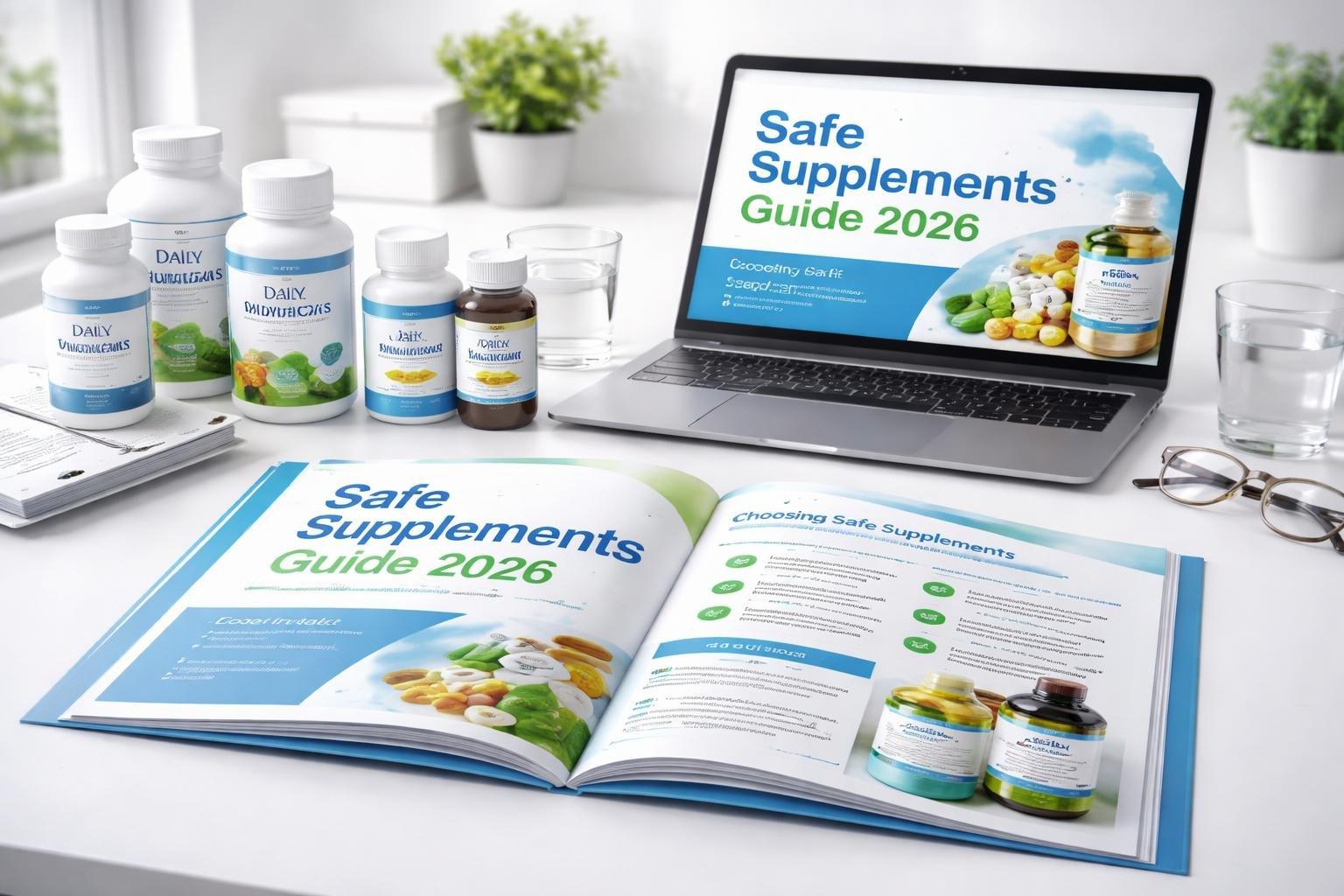
Introduction to Safe Supplements in 2026
The global supplement industry continues to expand rapidly in 2026, driven by increased health awareness, personalized nutrition trends, and easier access through e-commerce. While supplements can support wellness goals—from boosting immunity to enhancing performance—they also come with risks if used incorrectly. This guide is designed to help you navigate the modern supplement landscape safely, understand what works, and avoid common pitfalls.
What Are Supplements and Why People Use Them
Supplements include vitamins, minerals, herbs, amino acids, and other substances intended to complement your diet. People use them for various reasons: filling nutritional gaps, improving energy levels, supporting mental health, enhancing physical performance, or managing specific deficiencies.
However, supplements are not magic solutions. They work best when combined with a balanced diet, regular exercise, and healthy lifestyle habits. Over-reliance on supplements without addressing core health behaviors can lead to disappointment or even harm.
The Importance of Regulation and Quality
In 2026, supplement regulation varies widely across countries. Unlike prescription drugs, many supplements are not strictly tested for safety and effectiveness before reaching the market. This makes it crucial for consumers to choose reputable brands.
Look for products that have third-party testing or certifications from organizations like NSF, USP, or similar authorities in your region. These certifications indicate that the supplement contains what it claims and is free from harmful contaminants.
Understanding Labels and Ingredients
Reading supplement labels is one of the most important safety steps. A typical label includes active ingredients, dosage, serving size, and sometimes additional fillers or additives.
Be cautious of:
- Proprietary blends that hide exact ingredient amounts
- Excessively high doses (especially fat-soluble vitamins like A, D, E, and K)
- Unfamiliar chemical names without clear explanations
Transparency is key. If a product does not clearly disclose its contents, it’s best to avoid it.
Common Safe Supplements Backed by Evidence
Some supplements have strong scientific support when used appropriately:
Vitamin D is widely recommended, especially for people with limited sun exposure. It supports bone health, immunity, and mood regulation.
Omega-3 fatty acids, found in fish oil, are beneficial for heart health and may support brain function.
Magnesium plays a role in muscle function, sleep quality, and stress management.
Probiotics can help with gut health, though effectiveness depends on the specific strains used.
Even these “safe” options can cause issues if taken in excess or combined improperly with medications.
Risks and Side Effects to Watch For
Supplements are often perceived as harmless because they are “natural,” but this is a misconception. Natural substances can still cause side effects or interact with medications.
Possible risks include:
- Allergic reactions
- Digestive issues
- Liver or kidney strain from long-term overuse
- Interactions with prescription drugs
For example, St. John’s Wort can interfere with antidepressants, and high doses of vitamin E may increase bleeding risk.
Personalized Supplements and AI Trends
One of the biggest developments in 2026 is the rise of personalized supplements. Companies now use AI, DNA testing, and lifestyle data to create tailored supplement plans.
While this trend is promising, it also requires caution. Not all personalized recommendations are scientifically validated, and data privacy concerns remain important. Always verify that the service is credible and consult a healthcare professional before following highly customized regimens.
How to Choose Safe Supplements
Choosing safe supplements involves a combination of research and critical thinking. Start by identifying your actual needs—don’t take supplements just because they are trending.
Follow these guidelines:
- Consult a healthcare provider before starting any new supplement
- Choose brands with third-party testing
- Avoid exaggerated marketing claims like “miracle cure” or “instant results”
- Start with the lowest effective dose
- Monitor how your body responds
Consistency and moderation are more important than taking large amounts.
Supplements vs Whole Foods
Supplements should never replace whole foods. Nutrients from food are better absorbed and come with additional beneficial compounds like fiber and antioxidants.
For example, eating fruits and vegetables provides a complex mix of vitamins and phytochemicals that supplements cannot fully replicate. Supplements should only fill gaps—not become the foundation of your diet.
Special Considerations for Different Groups
Certain groups need extra caution with supplements.
Pregnant women must avoid certain herbs and high doses of vitamins that could harm the baby.
Older adults may benefit from supplements like vitamin B12 or calcium but must be mindful of interactions with medications.
Athletes often use performance supplements, but many products in this category carry higher risks of contamination or banned substances.
Children should only take supplements under medical supervision.
Red Flags and Scams in the Supplement Industry
The supplement market is full of misleading claims and aggressive marketing. Watch out for red flags such as:
Products claiming to cure serious diseases
Lack of ingredient transparency
Fake reviews or overly perfect ratings
Unverified “doctor recommended” labels
If something sounds too good to be true, it probably is.
The Role of Healthcare Professionals
Doctors, pharmacists, and registered dietitians play a critical role in supplement safety. They can help identify deficiencies, recommend appropriate dosages, and check for potential interactions.
Self-diagnosing and self-prescribing supplements can lead to unnecessary risks. Professional guidance ensures that your supplement use is both safe and effective.
Future of Supplements Beyond 2026
Looking ahead, the supplement industry is expected to become more regulated and technologically advanced. Innovations like smart supplements, real-time nutrient tracking, and microbiome-based formulations are on the rise.
However, no matter how advanced supplements become, the fundamentals of safety will remain the same: informed choices, moderation, and professional guidance.
Conclusion
Safe supplement use in 2026 requires awareness, responsibility, and critical thinking. While supplements can offer real benefits, they are not a substitute for a healthy lifestyle. By choosing high-quality products, understanding your needs, and consulting experts, you can make supplements a safe and effective part of your wellness journey.
 English
 Arabic
 French
 Spanish
 Portuguese
 Deutsch
 Turkish
 Dutch
Dutch
 Italiano
 Russian
 Romaian
 Portuguese (Brazil)
 Greek
Greek