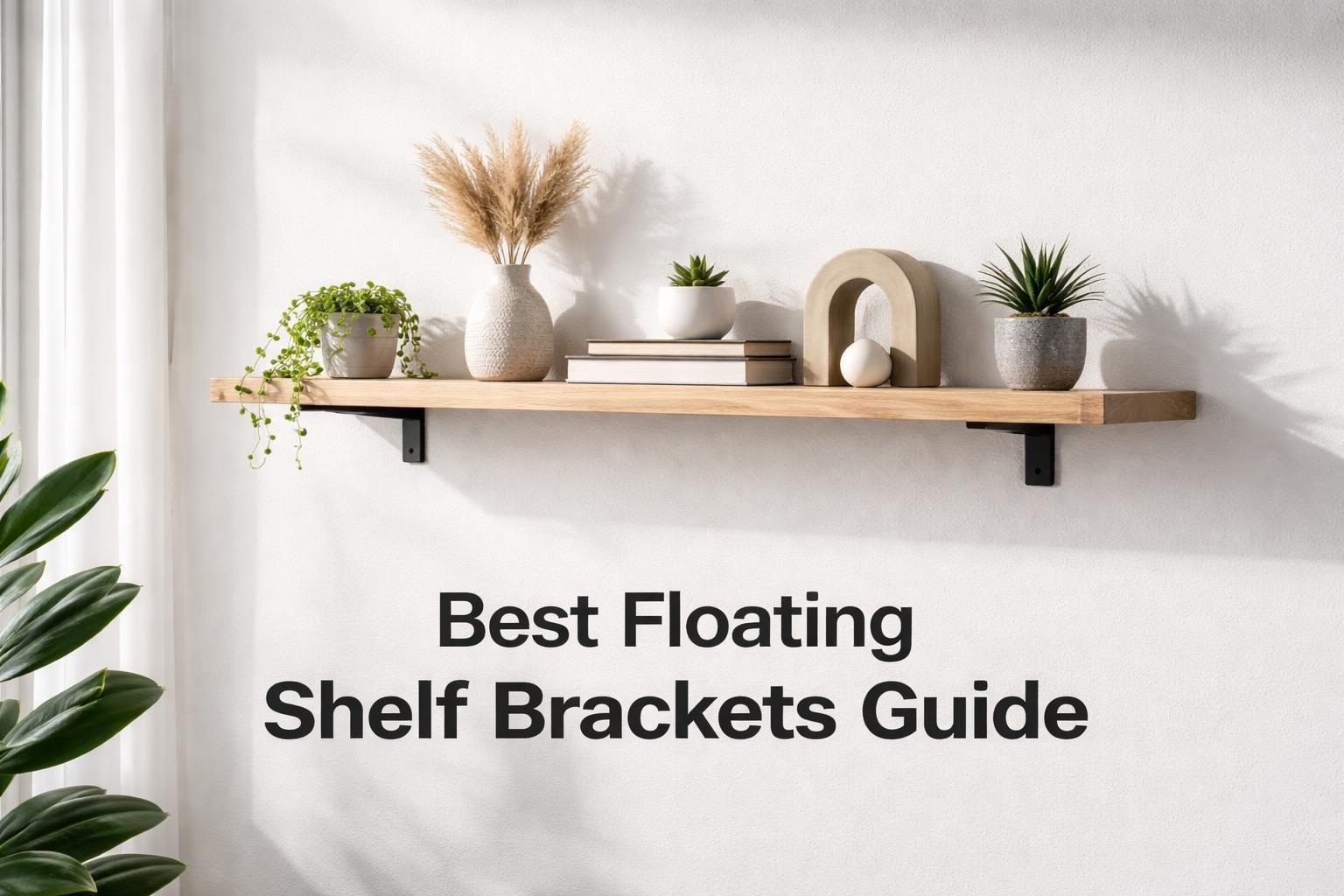
Introduction to Floating Shelf Brackets
Floating shelves have become a staple in modern interior design, offering a clean, minimalist look that maximizes both style and functionality. At the heart of every sturdy floating shelf is a reliable bracket system—often hidden from view but essential for support and durability. Choosing the best floating shelf brackets can make the difference between a sleek, long-lasting installation and one that sags or fails over time. This guide explores everything you need to know about selecting the right brackets, from types and materials to weight capacity and installation tips.
What Are Floating Shelf Brackets?
Floating shelf brackets are specially designed supports that are concealed within or behind the shelf, creating the illusion that the shelf is “floating” on the wall without visible hardware. Unlike traditional shelf brackets, these are engineered to be hidden, either by being inserted into the shelf itself or mounted in a way that keeps them out of sight. Their design prioritizes both aesthetics and structural integrity, making them ideal for modern homes, offices, and commercial spaces.
Types of Floating Shelf Brackets
There are several types of floating shelf brackets available, each suited to different applications and shelf designs. Rod-style brackets are among the most popular, featuring metal rods that slide into pre-drilled holes in the shelf. These provide strong support and are perfect for thick wooden shelves. L-shaped hidden brackets are another common option, mounted to the wall and concealed beneath the shelf. Heavy-duty brackets, often made from reinforced steel, are designed for carrying significant weight, such as books or kitchen appliances. Adjustable brackets offer flexibility during installation, allowing for fine-tuning alignment and positioning.
Materials and Build Quality
The material of a floating shelf bracket plays a crucial role in its strength and longevity. Steel is the most commonly used material due to its durability and high load-bearing capacity. Powder-coated steel brackets add an extra layer of protection against rust and corrosion, making them suitable for humid environments like kitchens and bathrooms. Aluminum brackets are lighter and resistant to corrosion but may not support as much weight as steel. High-quality brackets are typically welded rather than assembled with screws, ensuring better structural integrity.
Understanding Weight Capacity
One of the most important factors to consider when choosing floating shelf brackets is weight capacity. This depends on several variables, including the bracket material, length, wall type, and installation method. For example, brackets installed directly into wall studs can support significantly more weight than those mounted on drywall with anchors. It’s essential to calculate the total load your shelf will carry, including the shelf itself and all items placed on it. Overestimating your needs is always safer than underestimating, especially for heavy-duty applications.
Choosing the Right Size and Length
Bracket size and length should correspond to the dimensions of your shelf. A general rule of thumb is that the bracket should extend at least two-thirds the depth of the shelf for optimal support. For example, a 12-inch deep shelf should have brackets that are at least 8 inches long. Using brackets that are too short can lead to instability, while overly long brackets may be difficult to conceal. Additionally, spacing between brackets is important—typically, brackets should be placed every 16 to 24 inches, depending on the weight load and shelf material.
Installation Considerations
Proper installation is critical for the safety and performance of floating shelf brackets. The first step is locating wall studs, as these provide the strongest anchor points. If studs are not available in the desired location, heavy-duty wall anchors can be used, but they may reduce the overall weight capacity. Ensuring that brackets are level during installation is essential to prevent tilting or uneven weight distribution. Using a spirit level and measuring carefully can help achieve a professional finish. It’s also important to drill precise holes in the shelf if using rod-style brackets to ensure a snug fit.
Best Use Cases for Floating Shelf Brackets
Floating shelf brackets are versatile and can be used in various settings throughout the home. In living rooms, they are ideal for displaying decorative items, books, and artwork. In kitchens, they can support dishes, spices, and small appliances while maintaining a clean look. Bathrooms benefit from floating shelves for storing toiletries and towels without cluttering the space. In offices, they provide practical storage for documents and equipment while enhancing the overall design. Choosing the right bracket ensures that the shelf performs well in each specific environment.
Common Mistakes to Avoid
Many homeowners make avoidable mistakes when installing floating shelf brackets. One common error is underestimating the weight capacity needed, leading to sagging or failure over time. Another is improper anchoring, such as relying solely on drywall without adequate support. Misalignment during installation can also cause issues, resulting in uneven shelves. Additionally, selecting low-quality brackets to save money can compromise both safety and durability. Taking the time to plan and invest in quality materials can prevent these problems.
Top Features to Look For
When shopping for floating shelf brackets, there are several key features to consider. Look for brackets with high weight ratings and durable construction, preferably made from solid steel. A powder-coated finish adds protection and longevity. Easy installation features, such as pre-drilled holes and included mounting hardware, can simplify the process. Some brackets also offer adjustable components for better alignment. Compatibility with your shelf thickness and wall type is another important factor to ensure a secure fit.
Maintenance and Longevity
Floating shelf brackets require minimal maintenance, but periodic checks can help ensure long-term performance. Inspect brackets for signs of wear, rust, or loosening over time, especially in high-humidity areas. Tightening screws and ensuring the shelf remains level can prevent potential issues. Using quality brackets from the start significantly reduces the need for maintenance and extends the lifespan of your shelves.
Conclusion
Floating shelf brackets may be hidden, but they play a vital role in both the functionality and aesthetics of your shelving. By understanding the different types, materials, and installation methods, you can choose the best brackets for your needs and ensure a safe, durable setup. Whether you’re upgrading your home décor or adding practical storage, investing in high-quality floating shelf brackets is a decision that pays off in both style and reliability.
 English
 Arabic
 French
 Spanish
 Portuguese
 Deutsch
 Turkish
 Dutch
Dutch
 Italiano
 Russian
 Romaian
 Portuguese (Brazil)
 Greek
Greek