


Recovering After Vascular Surgery Tips for a Smooth Healing Process
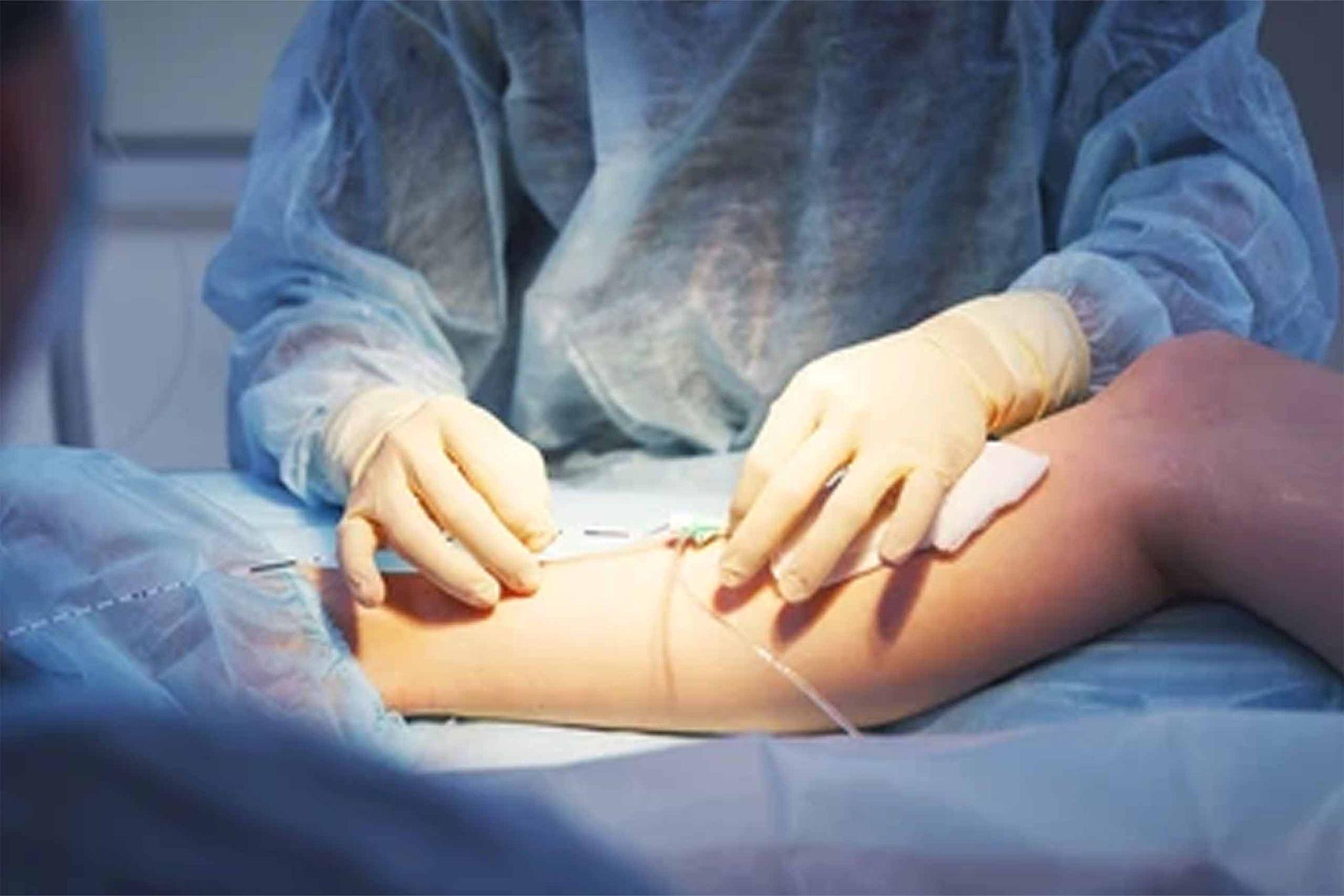
Recovering after vascular surgery is a critical phase that significantly impacts long-term outcomes. Whether you undergo open surgery or minimally invasive procedures, following proper recovery protocols ensures faster healing and minimizes complications. Patients seeking vascular surgery in Riyadh have access to expert guidance and advanced post-operative care to support a smooth recovery. Understanding key strategies, lifestyle adjustments, and medical follow-ups helps patients regain health and maintain optimal vascular function.
Understanding the Recovery Process:
Recovery depends on the type of vascular procedure performed:
-
Open surgeries may require longer hospital stays and extended rest
-
Minimally invasive procedures typically allow same-day discharge or shorter hospitalization
-
Healing involves tissue repair, reduced inflammation, and restored blood flow
-
Patients may experience mild pain, bruising, or swelling at the surgical site
Knowing what to expect helps patients manage recovery with confidence.
Managing Pain and Discomfort:
Effective pain control is essential for a smooth healing process:
-
Take prescribed medications as directed by your surgeon
-
Use ice packs or compression garments to reduce swelling and discomfort
-
Gradually increase movement to prevent stiffness and improve circulation
-
Communicate with your healthcare team about any persistent or severe pain
Proper pain management supports faster recovery and overall comfort.
Wound Care and Hygiene:
Maintaining proper wound care reduces the risk of infection:
-
Keep surgical sites clean and dry as instructed
-
Change dressings according to your surgeon’s recommendations
-
Monitor for signs of infection such as redness, warmth, or discharge
-
Avoid submerging wounds in water until cleared by your healthcare provider
Careful wound management is crucial for avoiding complications and promoting healing.
Activity and Physical Rehabilitation:
Gradual activity helps restore circulation and mobility:
-
Start with light walking to prevent blood clots and improve vascular function
-
Avoid strenuous exercise or heavy lifting until cleared by your doctor
-
Follow any physical therapy or rehabilitation program prescribed
-
Incorporate gentle stretching and mobility exercises to prevent stiffness
Controlled activity accelerates recovery while reducing the risk of setbacks.
Nutrition and Hydration:
Proper nutrition supports tissue repair and overall vascular health:
-
Eat a balanced diet rich in fruits, vegetables, lean proteins, and whole grains
-
Stay hydrated to promote circulation and tissue healing
-
Limit salt, sugar, and processed foods that may contribute to vascular issues
-
Consider supplements if recommended by your healthcare provider
A healthy diet strengthens the body’s healing capabilities after surgery.
Medication and Follow-Up Care:
Post-operative care includes adherence to prescribed medications and follow-ups:
-
Take blood thinners, anti-inflammatory drugs, or antibiotics as prescribed
-
Attend all scheduled follow-up appointments for monitoring and imaging
-
Report any unusual symptoms such as swelling, pain, or fever promptly
-
Keep a record of your progress to discuss with your vascular specialist
Ongoing care ensures long-term surgical success and prevents complications.
Lifestyle Adjustments for Long-Term Vascular Health:
Recovery is also an opportunity to adopt habits that support vascular health:
-
Quit smoking to improve circulation and reduce the risk of complications
-
Maintain a healthy weight and exercise regularly once cleared by your doctor
-
Manage blood pressure, cholesterol, and blood sugar levels
-
Reduce stress and prioritize adequate sleep to support healing
Long-term lifestyle changes enhance the durability of surgical results.
Signs of Complications to Watch For:
Early recognition of potential complications is critical:
-
Persistent or worsening pain at the surgical site
-
Unusual swelling, redness, or warmth around incisions
-
Numbness, tingling, or changes in limb color
-
Fever, chills, or other signs of systemic infection
Prompt medical attention helps prevent serious complications and ensures recovery stays on track.
Final Thoughts:
Recovering after vascular surgery requires careful attention to wound care, pain management, activity, nutrition, and follow-up care. Patients undergoing vascular surgery in Riyadh benefit from specialized guidance and state-of-the-art facilities that support a smooth healing process. By following post-operative instructions, adopting healthy lifestyle habits, and monitoring for potential complications, patients can achieve optimal recovery and maintain long-term vascular health. A proactive approach to recovery ensures the best possible outcomes and enhances overall quality of life.

 English
 Arabic
 Spanish
 Portuguese
 Deutsch
 Turkish
 Dutch
Dutch
 Italiano
 Russian
 Romaian
 Portuguese (Brazil)
 Greek
Greek