


Reverse Vending Machines for Efficient, Eco-Friendly Waste Management
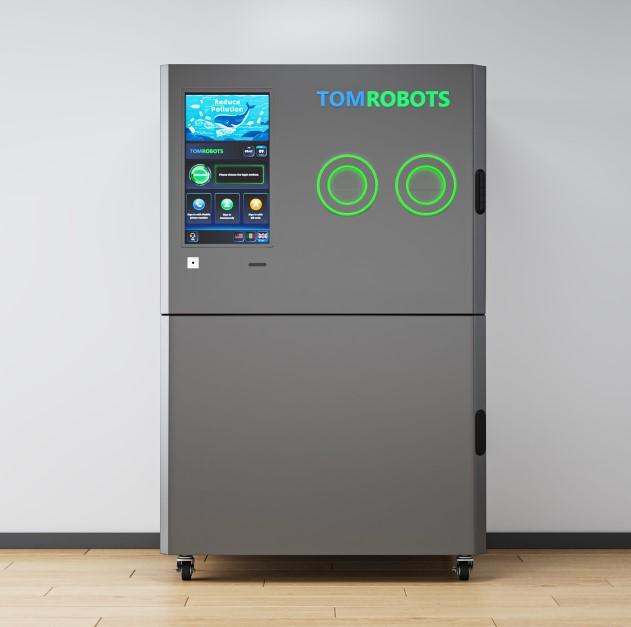
A reverse vending machine is an advanced, automated device designed to promote recycling by accepting used beverage containers, such as plastic bottles, cans, and glass bottles, and providing rewards in return. Unlike traditional vending machines that dispense products, reverse vending machines work in reverse—they take in waste and provide incentives, making recycling easier, more engaging, and more efficient.
How Reverse Vending Machines Work
Reverse vending machines operate using intelligent sensors and scanning technology. When a user inserts a bottle or can, the machine scans the barcode to identify the item, checks if it is recyclable, and determines its eligibility for a deposit refund or reward. Once validated, the machine sorts and compacts the container for easier collection. This automation not only reduces human labor but also ensures cleaner and more efficient waste management.
Benefits of Reverse Vending Machines
RVMs provide multiple benefits for both businesses and communities. They encourage recycling by rewarding users, which helps reduce littering and promotes environmental responsibility. By compacting containers on-site, they also save storage space and reduce the frequency of waste collection, lowering operational costs. Additionally, the data collected by RVMs can provide valuable insights into recycling patterns, helping municipalities and businesses optimize their sustainability strategies.
Applications of Reverse Vending Machines
Reverse vending machines are versatile and can be installed in various locations, including shopping malls, supermarkets, schools, universities, parks, and office complexes. Their user-friendly interface ensures accessibility for all age groups, making recycling a simple and engaging activity. Some machines even offer digital rewards, loyalty points, or vouchers that can be redeemed in local stores, creating an added incentive for users to participate regularly.
Environmental Impact
By facilitating proper disposal of recyclable materials, reverse vending machines help reduce waste sent to landfills and minimize environmental pollution. They play a key role in the circular economy by ensuring that bottles and cans are efficiently collected, sorted, and recycled into new products, conserving resources and reducing greenhouse gas emissions.
In conclusion, reverse vending machines by Tom Robots are a smart, sustainable, and practical solution to modern waste management challenges. They combine technology, convenience, and incentives to encourage recycling while offering businesses and communities a cost-effective way to manage waste responsibly.

 English
 Arabic
 French
 Spanish
 Portuguese
 Deutsch
 Turkish
 Italiano
 Russian
 Romaian
 Portuguese (Brazil)
 Greek
Greek