 English
 Arabic
 French
 Spanish
 Portuguese
 Deutsch
 Turkish
 Dutch
Dutch
 Italiano
 Russian
 Romaian
 Portuguese (Brazil)
 Greek
Greek

Classroom Audio Solutions Market Size, EdTech Trends & Forecast 2026–2035 | Education Insights
Other |
2026-04-20 08:40:43
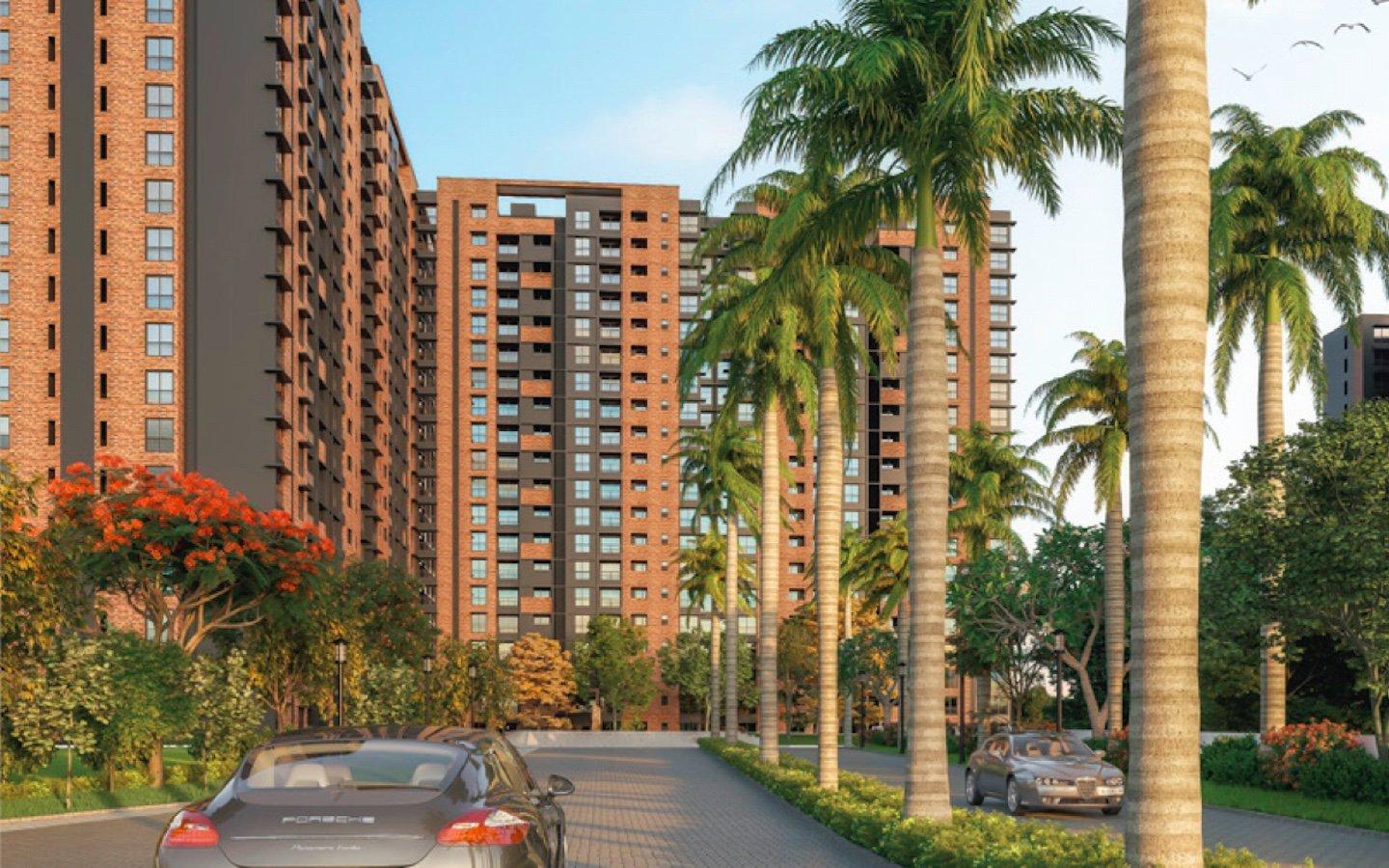
Whitefield stands out as one of Bengaluru’s most established residential and employment corridors, which is why it continues to draw serious investor attention. Its appeal is not based on hype alone. The area has a deep job ecosystem, mature social infrastructure, and stronger citywide connectivity than it had a few years ago. That combination matters because residential demand usually becomes more durable when a location is supported by workplaces, transport, and everyday convenience rather than short-term speculation.
The Employment Base Gives the Micro-Market Real Strength
A major reason this micro-market holds long-term value is its employment foundation. International Tech Park Bangalore, one of the area’s best-known commercial anchors, is a completed 69-acre integrated development with office space, retail, hospitality, and related amenities, and it continues to be described as central to Whitefield’s growth as a major IT hub. When a residential market is tied to a functioning job center, demand tends to come not only from investors but also from salaried end users and tenants who want to live closer to work. That reduces the risk of the location feeling purely speculative.
Metro Connectivity Has Improved the Investment Case
Connectivity has strengthened Whitefield’s position in a meaningful way. The full Purple Line stretch linking Whitefield (Kadugodi) to Challaghatta became operational in October 2023, and the corridor spans 43.49 km with 37 stations. For investors, this is important because metro access does more than reduce commute time. It expands the tenant pool, improves daily convenience for residents, and makes a location more resilient during periods when road congestion becomes a drawback. In practical terms, better transit usually supports both occupancy and long-term resale appeal.
Demand Is Moving Beyond Basic Housing
The current residential pattern in Whitefield also suggests that buyers are increasingly looking for better-planned, larger-format homes rather than only entry-level inventory. Recent project positioning in the area highlights spacious 3.5 and 4 BHK configurations, which signals that the micro-market is attracting family buyers and premium end users in addition to investors. That matters because end-user-led demand is often healthier than purely speculative demand. It usually supports better community formation, more stable occupancy, and stronger long-term price confidence.
What Makes Whitefield a Practical Investment Rather Than Just a Popular One
From an investment perspective, Whitefield works best when evaluated through four filters: rental demand, livability, future mobility, and entry price discipline. The jobs base supports tenant demand, the metro improves accessibility across the city, and the area’s long evolution from peripheral suburb to active urban hub adds depth that many emerging locations still lack. This is also why apartments in Whitefield continue to attract attention from both investors and end users seeking long-term value. At the same time, smart investors should stay selective. Not every property in a strong market performs equally well, and factors such as exact location, access roads, legal clarity, maintenance burden, construction quality, and surrounding supply can create very different outcomes within the same pin code.
A Balanced View for Long-Term Buyers and Investors
The investment potential here is real, but it should be approached with discipline rather than emotion. Whitefield has strong fundamentals because it combines a major office ecosystem with established residential demand and metro-backed connectivity. However, the best results are likely for buyers who choose carefully and hold with a medium- to long-term mindset. For anyone evaluating this market today, the strongest opportunities are likely to come from properties that solve everyday commuting and living needs first, because those are the homes that tend to stay relevant through changing market cycles.


