 English
 Arabic
 French
 Spanish
 Portuguese
 Deutsch
 Turkish
 Dutch
Dutch
 Italiano
 Russian
 Romaian
 Portuguese (Brazil)
 Greek
Greek

WinMatch APK 2026: Download the Latest Version for Rewards
Sports |
2026-04-06 08:22:24
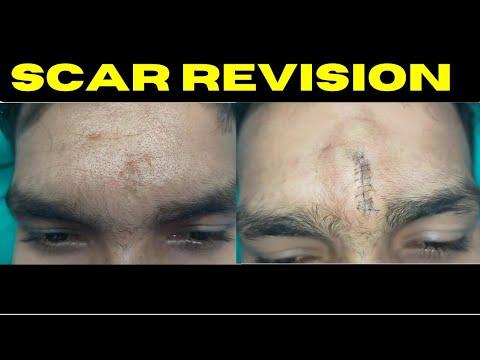
Burn injuries are among the most profound traumas the skin can experience, often leaving behind complex scars that affect both the physical "landscape" of the body and its ability to move freely. Surgical Scar Revision in Riyadh for burn survivors has evolved into a highly specialized field that prioritizes "functional aesthetics"—a dual approach that restores a natural appearance while simultaneously releasing the tight, restrictive tissue that often follows a thermal injury. In 2026, the integration of advanced reconstructive techniques, such as skin substitutes and laser-assisted surgery, allows patients in Riyadh to achieve a level of restoration that was previously impossible, turning the page on the physical reminders of their injury.
Burn scars differ from surgical or traumatic scars because of how the body responds to heat. The primary challenge is the formation of contractures, where the scar tissue shrinks and tightens, pulling the surrounding skin inward.
Mobility Limitations: If a burn scar spans a joint (such as the elbow, neck, or fingers), the contracture can physically lock the limb in place, making daily tasks difficult.
Hypertrophic Growth: Burn scars are notoriously prone to becoming raised and rigid. This thickness is not just an aesthetic concern; it can be painful, itchy, and sensitive to temperature changes.
Texture and Pigmentation: Significant burns often destroy the skin's pigment-producing cells and sweat glands, leaving the area with a "parchment-like" or "waxy" texture that lacks the natural resilience of healthy skin.
Restoring a burn site requires a "re-engineering" of the skin's architecture. Surgeons in Riyadh utilize several sophisticated methods to address deep tissue damage.
Release and Transposition (Z-Plasty)
To treat contractures, surgeons use the Z-plasty technique. By making a Z-shaped incision and transposing the resulting triangular flaps, the surgeon physically "lengthens" the scar. This breaks the tight band of tissue and immediately restores a fuller range of motion to the affected joint.
Skin Grafting and Flap Surgery
In cases where there is a significant loss of tissue, a simple excision is not enough.
Full-Thickness Skin Grafts: These involve taking skin from a donor site (like the inner thigh or abdomen) to cover the burned area. This provides a more durable and natural-looking surface than thinner grafts.
Local Flaps: Unlike a graft, a "flap" brings its own blood supply. This is essential for covering exposed tendons or bones and providing the necessary "cushion" for a functional result.
Tissue Expansion
For large burn areas, tissue expansion is the gold standard. A balloon-like expander is placed under healthy skin near the burn. Over several weeks, it is gradually filled with saline, stretching the healthy skin. This "new" skin is then used to replace the burn scar, providing a perfect match in color and texture.
In 2026, surgery is often paired with advanced laser protocols to refine the results. Fractional CO2 lasers are used to create "micro-channels" in the rigid burn tissue. This process, known as laser-assisted drug delivery, allows specialized medications to penetrate deep into the scar, softening the tissue and improving its elasticity. This "pre-conditioning" or "post-refinement" makes the surgical result look much more natural and helps the revised area blend with the surrounding uninjured skin.
Recovery from burn scar revision is an active process that requires a multidisciplinary team.
Compression Therapy: Custom-made pressure garments are often required for several months to ensure the new skin remains flat and prevents the recurrence of hypertrophy.
Specialized Physiotherapy: After a contracture release, a structured exercise program is vital to "train" the new tissue and maintain the gains in mobility achieved during surgery.
Hydration and Protection: Burn-injured skin lacks natural oils. A rigorous regimen of medical-grade moisturizers and high-SPF sun protection is essential to prevent the new tissue from becoming brittle or discolored in Riyadh's intense climate.
Burn scar revision is about more than just "fixing" the skin; it is about restoring the freedom to move and the confidence to interact with the world without the burden of a visible injury. By combining the precision of reconstructive surgery with the latest in laser technology and rehabilitative care, specialists in Riyadh are helping burn survivors reclaim their quality of life. The transformation—from a restrictive, painful scar to a soft, functional, and discreet surface—represents a new beginning for both the skin and the individual.



