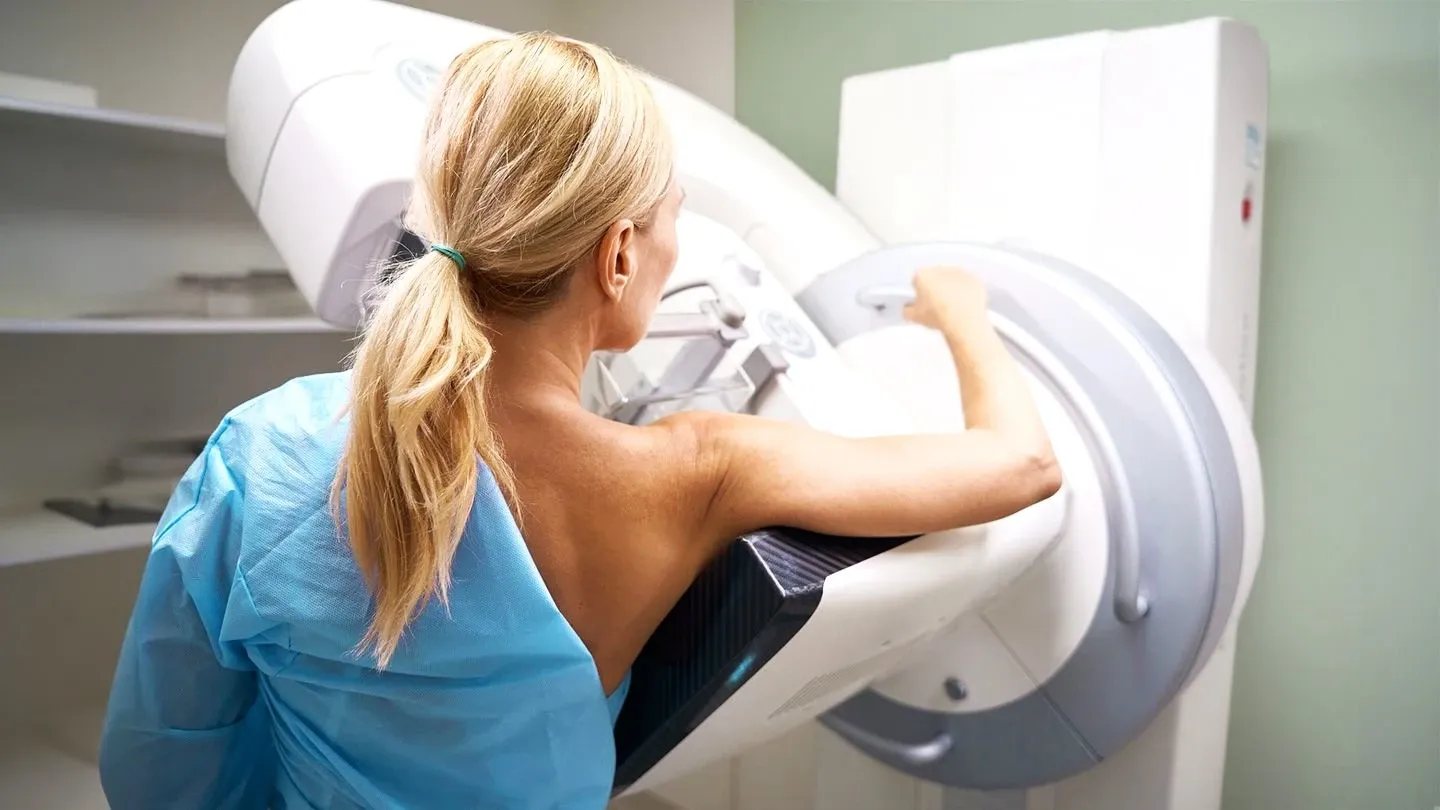
Breast health is an important part of overall well-being for women at every stage of life. Early detection plays a vital role in identifying potential problems before they become serious. Many women today are becoming more proactive about preventive care, especially with growing awareness about modern diagnostic tools like Mammogram Screening in Dubai. Understanding when to start mammogram screening can help women take control of their health and reduce risks associated with conditions such as Breast Cancer.
In this article, we’ll explore the recommended age to begin screening, the factors that may require earlier testing, and why routine mammograms are considered one of the most effective preventive health measures.
What Is a Mammogram Screening?
A mammogram is a specialized X-ray imaging test designed to examine breast tissue. It helps detect abnormalities that may not be visible or physically noticeable during a routine breast self-exam.
How Mammograms Work
During the screening, the breast is gently compressed between two plates while low-dose X-rays capture images of the internal tissue. These images allow specialists to detect:
- Small lumps or masses
- Calcifications (tiny calcium deposits)
- Changes in breast tissue density
- Early signs of abnormal growth
Because these changes can appear years before symptoms develop, mammograms are considered a powerful tool for early detection.
Recommended Age to Start Mammogram Screening
The age at which women should begin regular screening can vary depending on personal health history and risk factors.
For Women at Average Risk
Most health organizations suggest that women at average risk should begin mammogram screening around age 40.
From this age onward, regular screenings help monitor changes in breast tissue over time. Early detection significantly increases the chances of successful treatment if abnormalities are found.
Typical recommendations include:
- Age 40–44: Women may choose to start annual screenings.
- Age 45–54: Annual mammograms are usually recommended.
- Age 55 and above: Screening every one to two years may be suggested depending on overall health.
These timelines may differ slightly depending on individual circumstances.
When Women May Need Screening Earlier
Some women may benefit from starting mammograms before age 40 due to higher risk levels.
Family History of Breast Conditions
If a close relative has been diagnosed with breast disease or cancer, earlier screening may be advised. Genetic factors can increase risk, making earlier monitoring important.
Genetic Mutations
Certain inherited gene mutations are known to raise the likelihood of developing breast cancer. Women with these genetic markers are often encouraged to begin screening earlier and more frequently.
Previous Breast Abnormalities
Women who have previously experienced abnormal findings, benign tumors, or other breast conditions may also require earlier monitoring.
Signs That Should Not Be Ignored
Even if you are younger than the recommended screening age, certain symptoms should never be overlooked.
Common Warning Signs
- A lump or thickened area in the breast
- Unusual swelling or changes in breast size
- Skin dimpling or redness
- Nipple discharge that is not breast milk
- Persistent breast pain
While these signs do not always indicate a serious condition, they should always be evaluated promptly.
Why Early Mammogram Screening Matters
Early detection is the primary reason mammograms are strongly recommended.
Detecting Problems Before Symptoms Appear
Many breast abnormalities develop silently. Mammograms can reveal changes years before they are noticeable through touch or visible symptoms.
Improving Treatment Outcomes
When breast conditions are detected early, treatment options are often less aggressive and more effective.
Providing Peace of Mind
Routine screening helps women feel confident about their health. Knowing that you are monitoring your breast health regularly can reduce anxiety and uncertainty.
Preparing for Your First Mammogram
For women scheduling their first screening, a little preparation can make the experience easier.
Helpful Preparation Tips
- Schedule the test when breasts are less tender, typically a week after menstruation.
- Avoid deodorant, powders, or lotions on the day of the exam, as these can interfere with imaging.
- Wear a two-piece outfit for convenience.
- Inform the technician if you have breast implants or previous breast procedures.
These simple steps can help ensure the screening process goes smoothly.
How Often Should Mammograms Be Done?
The frequency of mammograms depends on age, medical history, and individual risk factors.
General Screening Guidelines
- Women in their 40s: Usually every year
- Women aged 50 and above: Every one to two years
- Higher-risk individuals: May require more frequent screening
Regular consultations and personal health awareness help determine the most suitable schedule.
Supporting Breast Health Beyond Mammograms
While mammograms are essential, they should be part of a broader breast health routine.
Additional Preventive Habits
- Perform regular breast self-exams
- Maintain a balanced diet
- Exercise regularly
- Limit alcohol consumption
- Stay aware of any physical changes
Combining these habits with regular screening can help maintain long-term health.
Final Thoughts
Knowing when to begin mammogram screening empowers women to take a proactive approach to their health. While general guidelines recommend starting around age 40, individual risk factors may require earlier monitoring. The key is consistency—regular screenings allow healthcare professionals to track changes over time and identify potential concerns early.
By prioritizing preventive care and staying informed, women can make confident decisions about their breast health and overall well-being. Early awareness, routine screening, and healthy lifestyle habits together create the strongest defense against breast health challenges.
 English
 Arabic
 French
 Spanish
 Portuguese
 Deutsch
 Turkish
 Dutch
Dutch
 Italiano
 Russian
 Romaian
 Portuguese (Brazil)
 Greek
Greek