


The Ultimate Guide to 3D Product Design for Beginners
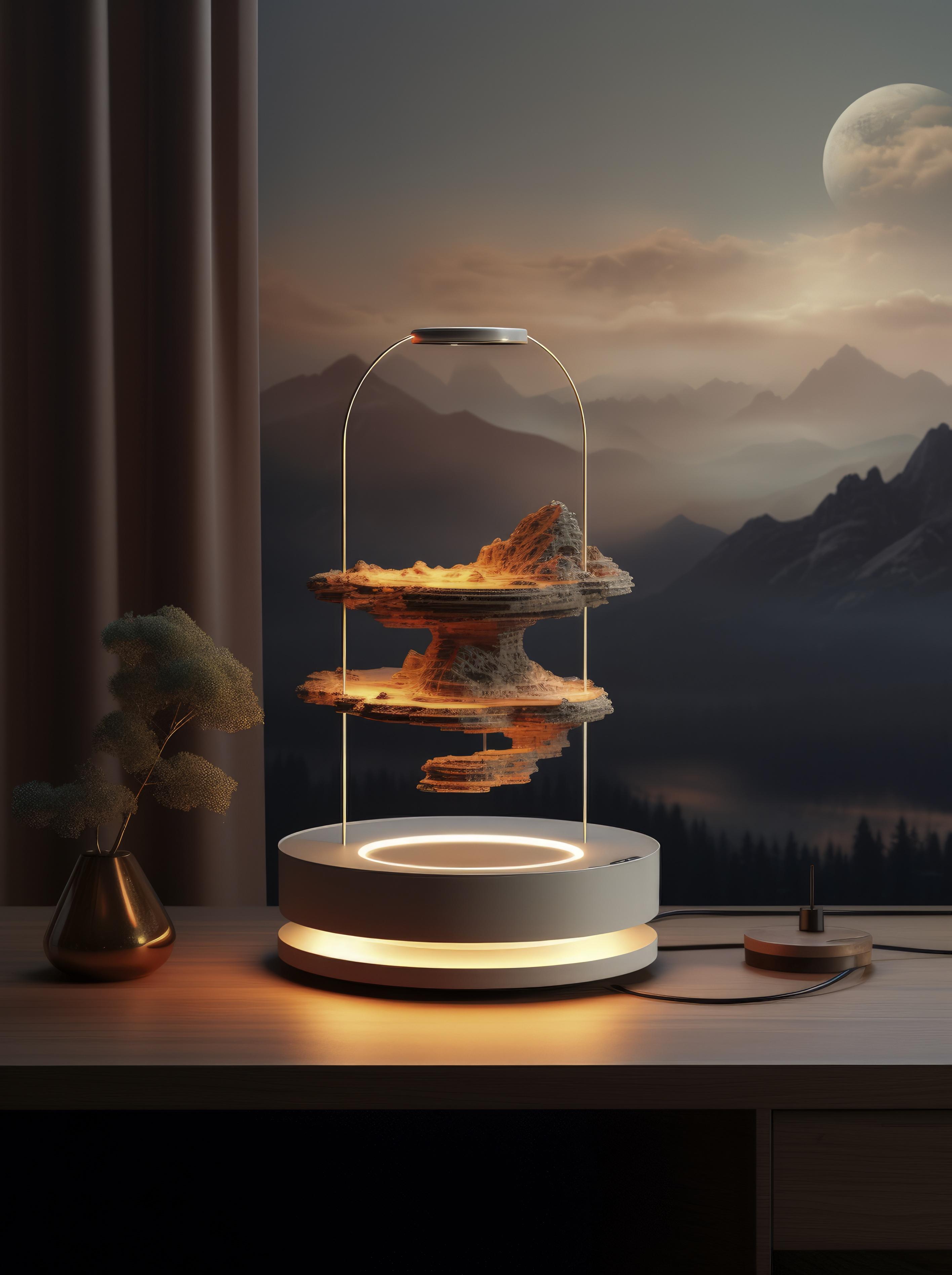
3D product design is revolutionizing the way products are conceptualized, developed, and brought to life. For beginners, stepping into this field might seem overwhelming, but with the right guidance and tools, anyone can start creating innovative 3D designs. At Tesseract 3D, we help enthusiasts and professionals alike unlock the full potential of 3D product design.
What is 3D Product Design?
3D product design is the process of creating three-dimensional models of products using specialized software. Unlike traditional 2D sketches, 3D design allows designers to visualize the product from every angle, test functionality, and make improvements before manufacturing. This approach reduces errors, saves time, and streamlines production.
Why Beginners Should Learn 3D Product Design
Learning 3D product design opens up a world of opportunities. For beginners, it allows you to:
-
Experiment with creative ideas without physical prototypes
-
Understand product ergonomics and aesthetics
-
Collaborate effectively with manufacturers and engineers
-
Prepare for a career in industries like automotive, electronics, and consumer goods
At Tesseract 3D, we emphasize the importance of building a strong foundation in 3D modeling to create professional-grade products.
Essential Tools for 3D Product Design
Choosing the right tools is crucial for beginners. Some popular software includes:
-
Tinkercad: User-friendly and ideal for beginners
-
Fusion 360: Powerful for both modeling and simulation
-
Blender: Versatile and free, suitable for detailed design and visualization
Using these tools, beginners can experiment with shapes, textures, and functionality while gaining hands-on experience.
Steps to Start 3D Product Design
-
Conceptualize Your Idea: Start with a rough sketch or brainstorming session. Think about what problem your product solves.
-
Create a 3D Model: Use your preferred software to build a digital version of your product.
-
Test and Refine: Check for design flaws, functionality issues, and aesthetics. Make necessary adjustments.
-
Prepare for Manufacturing: Once the design is finalized, export it in a suitable format for 3D printing or prototyping.
Tips for Beginners
-
Start simple and gradually increase complexity
-
Learn shortcuts and features in your chosen software
-
Seek feedback from peers or mentors
-
Explore 3D printing to see your designs in real life
Conclusion
Getting started with 3D product design can seem challenging, but with patience, practice, and the right guidance, beginners can create impressive designs. At Tesseract 3D, we support learners at every step, from ideation to prototyping. Embrace the power of 3D design today and turn your ideas into reality.

 English
 Arabic
 French
 Spanish
 Portuguese
 Deutsch
 Dutch
Dutch
 Italiano
 Russian
 Romaian
 Portuguese (Brazil)
 Greek
Greek