


Are Dental Crowns the Right Solution for Tooth Sensitivity?
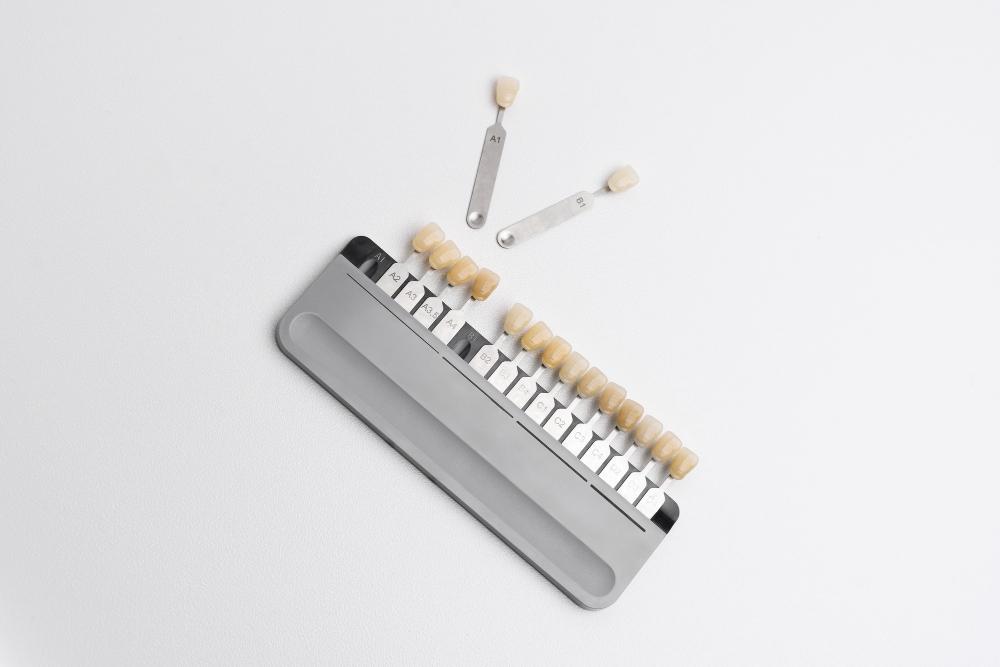
Have you ever taken a sip of cold water or bitten into a sweet treat only to feel a sharp jolt shoot through your teeth? That unpleasant sensation is what we call tooth sensitivity, and it is more common than you might think. For many people, it is a daily struggle that makes eating and drinking less enjoyable. If you are wondering whether dental crowns in Norwood could help you find relief, let us break it down together.
Why Do Teeth Become Sensitive?
Your teeth are protected by enamel, the hardest substance in your body. Beneath that lies a softer layer called dentin, which contains tiny channels leading to the tooth’s nerve. When enamel wears away or gums recede, dentin becomes exposed, and that is when sensitivity kicks in.
Some of the most common reasons for sensitivity include:
-
Tooth decay that has worn through enamel
-
Cracked or chipped teeth
-
Worn fillings
-
Gum recession that leaves roots uncovered
-
Teeth grinding or clenching
-
Acidic foods and drinks that gradually erode enamel
In some cases, sensitivity is temporary, such as after a whitening session. But if the discomfort lingers, it is often a sign that your tooth needs more protection.
What Exactly is a Dental Crown?
A dental crown is essentially a cover that fits over a damaged tooth. Think of it as a protective shell designed to restore strength, shape, and function. Crowns are made from different materials like porcelain, ceramic, or even a blend of metals. The goal is to shield the tooth so it can work normally without further damage.
Dentists often recommend crowns when a tooth is weakened by decay, a large filling, or after a root canal. But they can also play a role in reducing sensitivity, especially when the problem is linked to exposed dentin or cracks.
How a Crown Helps With Sensitivity?
When sensitivity is severe and other treatments are not enough, a crown can make a big difference. Here is why:
-
Covers exposed areas – The crown seals off dentin and prevents triggers like hot or cold foods from reaching the nerve.
-
Adds strength – If the tooth has a crack or has been weakened over time, the crown reinforces it.
-
Provides long-term relief – Unlike temporary fixes, crowns address both the discomfort and the structural issue behind it.
When to Consider a Crown?
Not every sensitive tooth requires a crown. Many cases can be treated with simpler methods first. But you may want to talk to your dentist about dental crowns in Norwood if:
-
You have a cracked tooth that sends pain with every bite.
-
Decay has destroyed a significant part of your tooth.
-
Fillings are no longer effective.
-
You have had a root canal and the tooth feels fragile.
Your dentist will evaluate the root cause of your sensitivity before suggesting whether a crown is the best choice.
Other Treatment Options
For mild to moderate sensitivity, there are less invasive treatments available:
-
Desensitizing toothpaste to block nerve signals
-
Fluoride gels or varnishes to strengthen enamel
-
Dental bonding to cover small exposed areas
-
Gum grafts if recession is the problem
These solutions are often tried first, especially if your sensitivity is not caused by major structural damage.
What the Crown Procedure Looks Like?
Getting a crown usually happens in a couple of steps. First, your dentist examines the tooth, takes X-rays, and prepares it by gently reshaping it. An impression or digital scan is then made to create a crown that fits snugly. While your permanent crown is being crafted, a temporary one protects your tooth. At your next visit, the permanent crown is placed and adjusted for comfort.
With advances in Norwood dentistry, some practices even offer same-day crowns using modern digital tools. This means you can walk out with a fully restored smile in a single visit.
Caring for Your Crown
Once you have a crown, daily care becomes even more important. Brush twice a day, floss carefully around the crown, and avoid chewing hard objects like ice. With good care and regular dental visits, crowns can last well over a decade.
Wrapping It Up
Tooth sensitivity can interfere with the simple joys of life, but you do not have to live with it forever. While special toothpaste, fluoride treatments, or bonding may be enough for some, others need a more permanent fix. That is where a crown comes in.
If you have been dealing with ongoing discomfort and nothing seems to help, it may be time to ask whether a crown is right for you. With the right guidance and expert care, you can enjoy your favorite foods and drinks again without that sharp, unwelcome twinge. Thanks to modern options in Norwood dentistry, restoring comfort and protecting your smile has never been easier.

 English
 Arabic
 French
 Portuguese
 Deutsch
 Turkish
 Dutch
Dutch
 Italiano
 Russian
 Romaian
 Portuguese (Brazil)
 Greek
Greek