 English
 Arabic
 French
 Spanish
 Portuguese
 Deutsch
 Turkish
 Dutch
Dutch
 Italiano
 Russian
 Romaian
 Portuguese (Brazil)
 Greek
Greek

Madden 26 Coins: How to Transfer Your Created Team to Franchise
Games |
2026-04-02 01:06:22
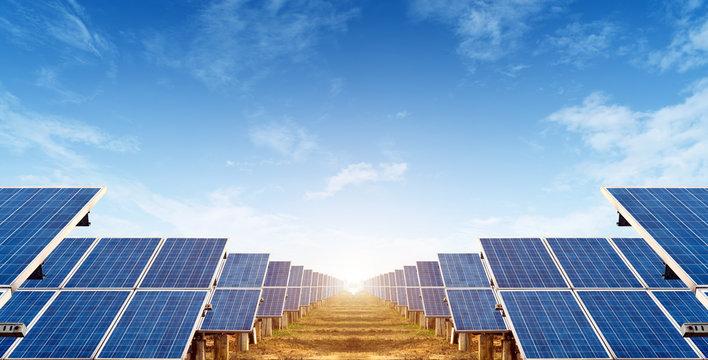
As energy costs continue to rise and sustainability becomes a priority, many small businesses are exploring alternative energy solutions. One of the most popular options today is commercial solar installation. But is it truly worth the investment for small businesses? The answer depends on several factors, including costs, savings, location, and long-term goals. Let’s take a closer look.
Understanding Commercial Solar Installation
Commercial solar installation involves setting up solar panels on business premises—such as rooftops, parking lots, or open land—to generate electricity. These systems convert sunlight into usable energy, reducing reliance on traditional power sources and lowering electricity bills.
For small businesses, this means gaining more control over energy consumption while contributing to a greener environment.
Initial Investment and Costs
One of the biggest concerns for small businesses is the upfront cost of installing a solar system. Commercial solar installations can require a significant initial investment, depending on the size of the system and energy needs.
However, the good news is that prices for solar technology have decreased significantly over the years. Additionally, many governments offer incentives, tax benefits, and subsidies that can help offset installation costs. Financing options such as solar loans, leases, and power purchase agreements (PPAs) also make it easier for businesses to adopt solar energy without heavy upfront expenses.
Long-Term Savings and ROI
The biggest advantage of commercial solar installation is long-term cost savings. Once installed, solar panels generate free electricity for decades, significantly reducing monthly utility bills.
Most businesses recover their initial investment within 3 to 7 years, depending on usage and local energy rates. After that, the savings continue to accumulate, improving overall profitability. In many cases, businesses also benefit from net metering, where excess energy generated is sent back to the grid in exchange for credits.
Energy Independence and Stability
Small businesses often face fluctuating electricity prices, which can impact operational costs. Solar energy provides a level of independence from these fluctuations.
By generating their own power, businesses can stabilize energy expenses and reduce dependency on utility providers. This is especially beneficial in regions where power outages or price hikes are common.
Environmental Benefits
Switching to solar energy significantly reduces a business’s carbon footprint. For environmentally conscious customers, this can be a strong selling point.
Using renewable energy demonstrates corporate responsibility and aligns your business with sustainable practices. This not only helps the environment but can also enhance brand reputation and attract eco-conscious clients.
Space and Infrastructure Requirements
Before investing in commercial solar installation, small businesses need to evaluate available space. Rooftop solar panels are the most common option, but ground-mounted systems can also be used if sufficient land is available.
The condition of the roof, sunlight exposure, and local climate all play a crucial role in determining system efficiency. A professional assessment is essential to ensure maximum energy generation.
Maintenance and Durability
Solar panels require minimal maintenance. Most systems are highly durable and can last 25 years or more with proper care.
Routine cleaning and occasional inspections are usually enough to keep the system functioning efficiently. Many providers also offer warranties and maintenance packages, making solar a low-risk investment.
Potential Challenges
While commercial solar installation offers numerous benefits, there are some challenges to consider. Initial costs, even with financing options, can still be a hurdle for some small businesses.
Additionally, not all locations receive the same amount of sunlight, which can impact energy production. Regulatory requirements and installation timelines may also vary depending on the region.
However, these challenges are often outweighed by the long-term advantages.
Is It Worth It?
For most small businesses, commercial solar installation is a smart investment. It offers significant cost savings, energy independence, and environmental benefits. While the upfront cost may seem high, the long-term return on investment makes it worthwhile.
Businesses that plan to operate long-term in the same location are especially well-positioned to benefit from solar energy. With increasing energy prices and growing environmental awareness, going solar is not just a trend—it’s a strategic move.
Final Thoughts
Commercial solar installation provides small businesses with an opportunity to reduce costs, improve sustainability, and gain a competitive edge. By carefully evaluating energy needs, available space, and financial options, businesses can make an informed decision that supports long-term growth.
In today’s energy-conscious world, investing in solar power is not just about saving money—it’s about building a sustainable future for your business.

