 English
 Arabic
 French
 Spanish
 Portuguese
 Deutsch
 Turkish
 Dutch
Dutch
 Italiano
 Russian
 Romaian
 Portuguese (Brazil)
 Greek
Greek

Who are the top designers known for creating iconic book covers
Other |
2026-04-01 21:56:51
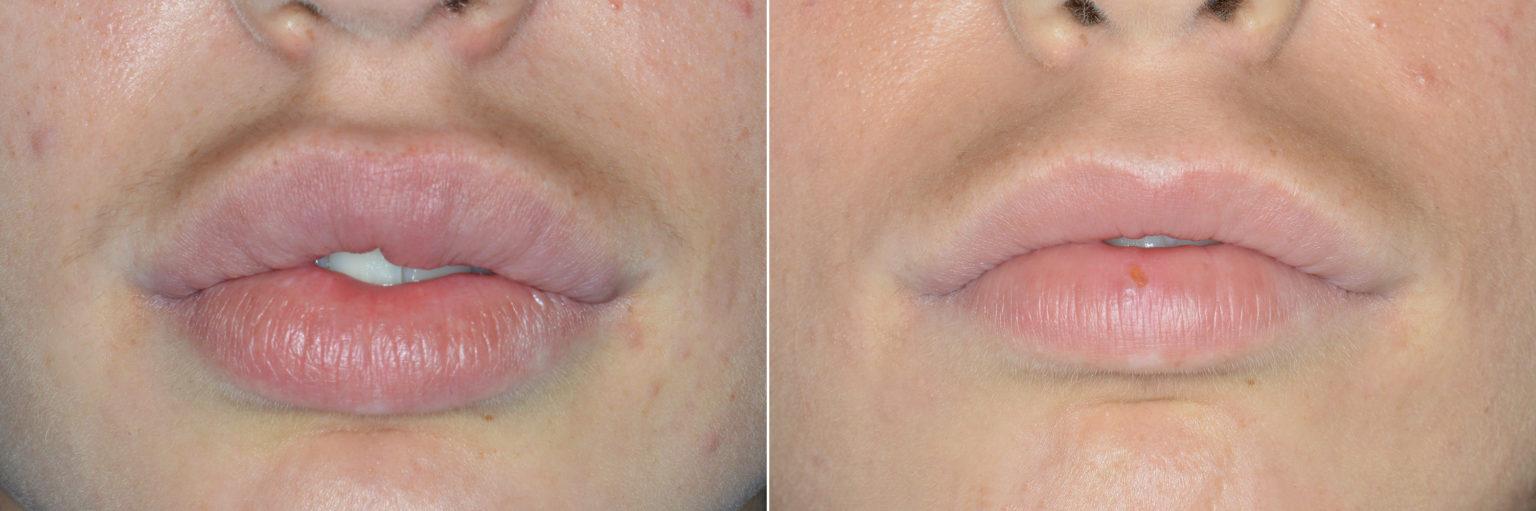
The landscape of cosmetic dermatology has undergone a transformative shift toward minimally invasive procedures that offer immediate results with high levels of patient satisfaction. As aesthetic standards continue to evolve, Lip Enlargement in Riyadh has emerged as a cornerstone of modern facial rejuvenation, providing individuals with the opportunity to enhance their natural features through advanced medical artistry. This comprehensive guide explores the nuances of lip fillers and augmentation, shedding light on the science, the process, and the necessary precautions that ensure a safe and successful aesthetic journey.
At the heart of the modern lip augmentation movement is the use of injectable dermal fillers. While various materials have been used in the past, hyaluronic acid (HA) has become the gold standard in the industry. Hyaluronic acid is a naturally occurring sugar molecule found in the human body, specifically in the skin, connective tissue, and eyes. Its primary function is to retain water, keeping tissues well-lubricated and moist.
When utilized in a gel form for lip fillers, HA offers several distinct advantages. First, its biocompatibility significantly reduces the risk of allergic reactions. Second, the consistency of the gel can be varied—some are thinner for subtle hydration, while others are more robust for structural lifting. Perhaps the most significant benefit of HA fillers is their reversibility; if a patient is unhappy with the result or if a complication arises, an enzyme called hyaluronidase can be injected to safely dissolve the filler within hours.
A common misconception regarding lip augmentation is that it always results in a dramatic or "duck-like" appearance. In reality, modern techniques focus on customization. A professional approach involves a detailed assessment of the "Golden Ratio," where the proportions of the upper lip to the lower lip are ideally balanced—often cited as a 1:1.6 ratio.
The goals of augmentation can vary widely depending on the patient's age and anatomical structure:
Restoring Volume: As we age, the lips naturally lose collagen and fat, leading to a thinner appearance and the development of vertical "smoker's lines." Fillers can replenish this lost volume, restoring a youthful plumpness.
Enhancing Definition: For those with a blurred lip border, fillers can be used to define the "vermilion border" and the "Cupid’s bow," making the lips pop without necessarily adding significant size.
Correcting Asymmetry: Many people are born with naturally uneven lips. Precisely placed injections can balance the left and right sides or bring the upper and lower lips into better harmony.
A typical lip filler session is relatively quick, often referred to as a "lunchtime procedure" due to its efficiency. The process begins with a thorough consultation to discuss expectations and medical history. Once a plan is established, the steps usually follow this sequence:
Numbing: To ensure comfort, a topical numbing cream is applied to the lips. Many modern fillers also contain lidocaine, a local anesthetic, which numbs the area from the inside out as the injection progresses.
Mapping: The practitioner may mark the lips to identify precise injection points based on the desired shape and volume.
The Injection: Using a very fine needle or a blunt-tipped cannula, the filler is strategically placed into the lip tissue. The practitioner may massage the area during the process to ensure the gel is distributed evenly and smoothly.
Immediate Evaluation: Patients are often given a mirror to view the progress, allowing for minor adjustments in real-time to ensure satisfaction.
While the procedure is non-surgical, it remains a medical intervention that requires a sterile environment and expert knowledge of facial anatomy. The lips are highly vascularized, meaning they contain many blood vessels. An inexperienced injector risks complications such as vascular occlusion—where filler is accidentally injected into a blood vessel—which can lead to tissue damage if not treated immediately.
To ensure safety, it is essential to verify that the facility adheres to strict medical standards and uses only approved, high-quality products. Avoiding "bargain" treatments or unlicensed practitioners is the most critical step in preventing adverse outcomes. A reputable professional will always prioritize your health over the aesthetic result, providing a clear explanation of the risks and the realistic outcomes of the procedure.
The period following the injection is crucial for the filler to "settle" into the tissue. Swelling is the most common side effect and typically peaks within the first 24 to 48 hours. During this time, the lips may feel firm or appear larger than the final intended result.
To optimize healing, patients should follow these essential aftercare tips:
Apply Ice Gently: Using a cloth-wrapped ice pack can significantly reduce swelling and bruising.
Stay Upright: Keeping the head elevated, even while sleeping, helps fluid drain away from the face.
Avoid Heat: Saunas, steam rooms, and direct sun exposure should be avoided for at least two days, as heat can increase swelling.
Gentle Cleansing: Keep the area clean but avoid harsh scrubs or exfoliating lip products for several days.
Monitor for Warning Signs: While rare, any signs of extreme pain, skin blanching (turning white), or unusual coolness in the lip area should be reported to a medical professional immediately.
The longevity of lip fillers depends on several factors, including the type of product used, the patient’s metabolism, and the amount of movement in the lip area. Generally, fillers in the lips last shorter than in other areas of the face (like the cheeks) because the mouth is constantly moving for talking and eating. Most patients find that they need a touch-up every 6 to 12 months to maintain their look.
Beyond the filler itself, maintaining lip health through sun protection (using SPF-rated lip balms) and proper hydration will enhance the overall appearance. By viewing lip augmentation as a collaborative process between the patient and a skilled practitioner, individuals can achieve a refined, balanced, and beautiful pout that enhances their overall facial aesthetics and boosts their self-confidence.



