English
 Arabic
 French
 Spanish
 Portuguese
 Deutsch
 Turkish
 Dutch
Dutch
 Italiano
 Russian
 Romaian
 Portuguese (Brazil)
 Greek
Greek

Outsourced Tax Return Preparation: A Streamlined Solution for Accuracy, Efficiency & Scalability
Other |
2026-02-18 17:30:43
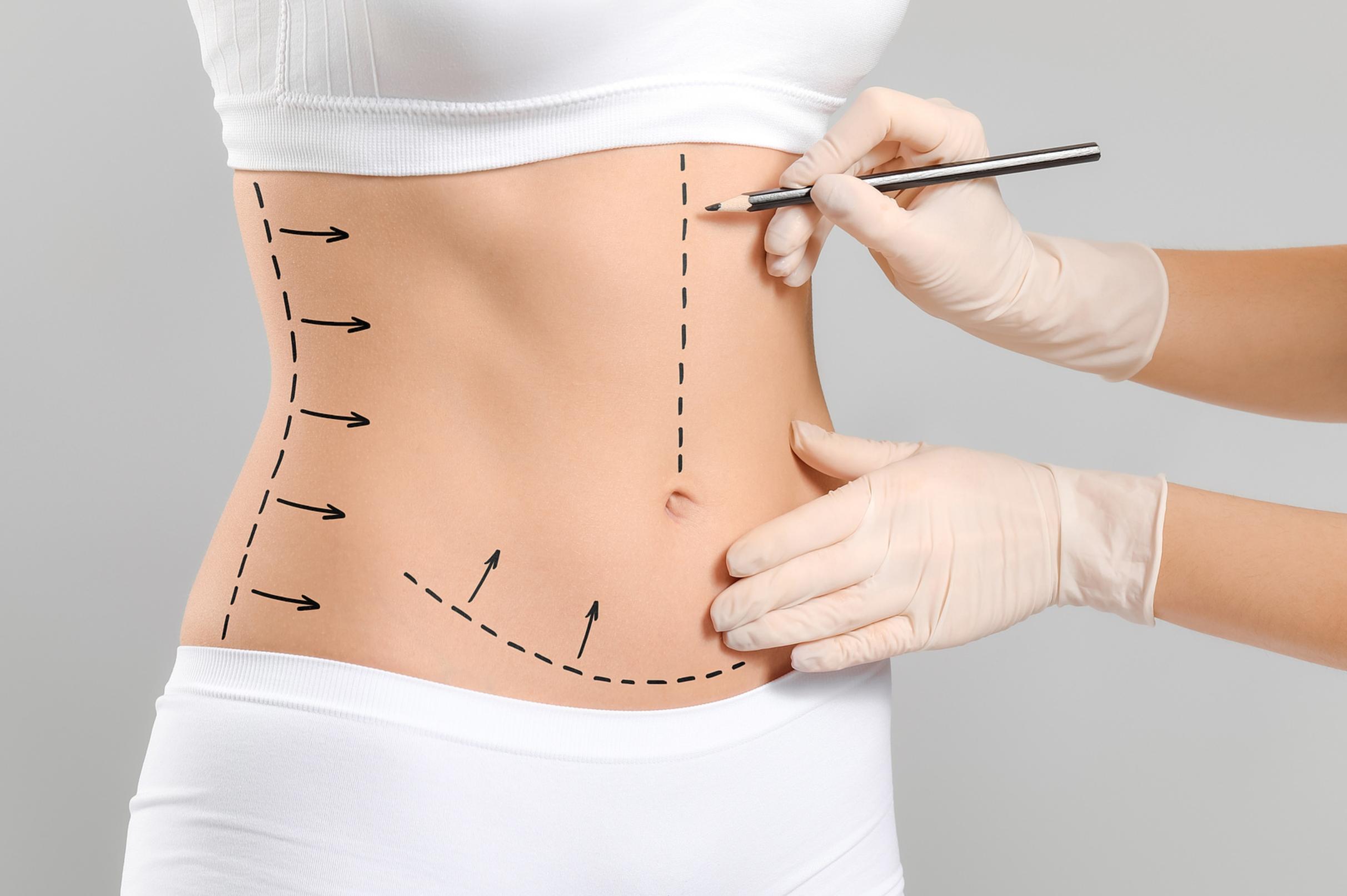
Preparing for a cosmetic procedure requires careful research and a clear understanding of what the journey entails, especially when considering options for liposuction in Riyadh. The decision to undergo surgery is personal and significant, and the consultation phase is perhaps the most critical step in ensuring that expectations align with reality. Before stepping into a clinical environment, it is helpful to demystify the process, learn about the physical requirements, and understand the nuances of fat removal surgery. Liposuction is not a weight-loss program; rather, it is a surgical tool designed to target specific areas of stubborn fat that have not responded to consistent diet and exercise, effectively providing a more sculpted version of the body you already possess.
The first step in any successful cosmetic journey is an honest self-assessment regarding candidacy. Ideal candidates are those who are close to their ideal weight but struggle with isolated pockets of fat that seem immune to lifestyle interventions. These areas can appear anywhere on the body, including the abdomen, thighs, flanks, arms, and under the chin. A crucial factor to discuss during your initial meeting is skin elasticity. Because the fat is being removed from beneath the skin, the overlying surface must have enough natural elasticity to contract and smooth over the new, smaller contour.
Patients should also be in good general health, free from conditions that might impair healing or increase the risks associated with anesthesia. A thorough health history review is a standard part of the pre-operative process, as it helps determine if the body can handle the stress of surgery and the recovery period that follows. Being transparent about your medical history, including any medications, supplements, or past surgeries, is vital for your safety and for ensuring that the chosen surgical plan is appropriate for your individual needs.
When you attend a consultation, the professional will perform a physical examination of the areas you wish to treat. This is the time to ask every question you have, no matter how small. A good consultation should cover the specific techniques recommended for your body type, the anticipated volume of fat to be removed, and the limitations of the procedure. You will likely discuss where the small, inconspicuous incisions will be placed to minimize visible scarring.
It is helpful to bring a list of your goals to this appointment. Are you looking for a subtle refinement or a more significant change in shape? Discussing these outcomes helps the professional tailor the surgical approach, potentially incorporating different types of energy-assisted technology if your specific fat deposits are denser or more fibrous. This dialogue ensures that both parties are aligned on the aesthetic objective, which is the foundation of patient satisfaction.
Once you have decided to move forward, the preparation phase begins. You will receive specific instructions regarding lifestyle adjustments, which may include stopping certain medications or herbal supplements that can increase bleeding risk. Smoking, in particular, is generally strictly prohibited for several weeks before and after the procedure because nicotine constricts blood vessels and significantly impairs the body's ability to deliver oxygen and nutrients to healing tissues.
Furthermore, preparation involves planning your post-surgical recovery. You will need to arrange for transportation on the day of your procedure and ideally have a supportive environment at home where you can rest for the first few days. Investing in comfortable, loose-fitting clothing and ensuring your hydration and nutrition are prioritized will make your transition from surgery to healing much smoother. Understanding the recovery timeline—which often involves wearing compression garments for several weeks to minimize swelling and support the skin as it tightens—will help you set realistic expectations for your return to daily activities and your eventual final results. By taking these steps, you empower yourself to have a safe and successful experience that aligns with your aesthetic goals.