 English
 Arabic
 French
 Spanish
 Portuguese
 Deutsch
 Turkish
 Dutch
Dutch
 Italiano
 Russian
 Romaian
 Portuguese (Brazil)
 Greek
Greek

Comprehensive Digestive Care by a Gastro & Laparoscopic Surgeon in Jaipur
Health |
2026-02-19 12:58:06
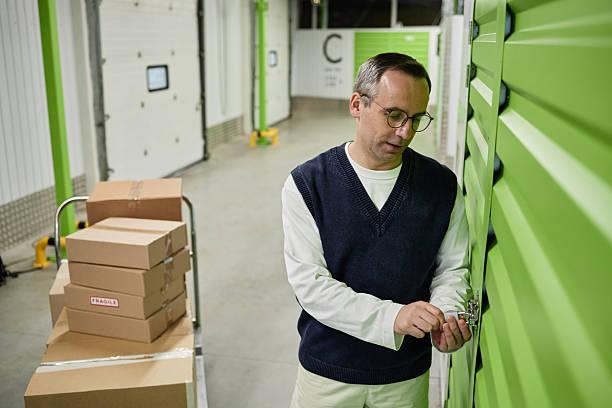
Moving a business is very different from moving a household. Commercial relocations involve strict timelines, sensitive equipment, multiple departments, and the need to keep operations running with minimal disruption.
For this reason, many companies rely on specialized moving services when relocating offices, warehouses, or retail spaces in Cape Town.
Professional moving companies approach commercial relocations with a completely different strategy than residential moves. They focus on logistics planning, equipment protection, efficient transport, and rapid setup so that businesses can resume operations quickly.
From my experience working with commercial relocation projects, successful office moves depend on structured planning, experienced teams, and coordinated execution. Below are the key ways a professional moving company handles commercial relocations differently.
Commercial moves require significantly more preparation than residential relocations. A professional moving company typically begins the process with a full pre-move assessment.
During this stage, movers evaluate the size of the office, the number of employees, and the types of equipment that need to be transported. They also assess factors such as building access, parking restrictions, elevators, and loading areas.
Businesses operating in busy commercial areas of Cape Town often face logistical challenges related to traffic, limited parking, and building management regulations. Professional movers account for these factors when creating the relocation plan.
The result is a detailed moving schedule that outlines every step of the process, from packing and loading to transportation and setup.
Commercial relocations involve more than desks and chairs. Offices typically contain computers, printers, servers, conference tables, and large filing systems.
Professional moving companies use specialized equipment to transport these items safely. This may include furniture dollies, lifting straps, protective blankets, and secure packing materials.
Technology equipment requires particular care. Servers, networking hardware, and monitors must be packed carefully to prevent damage during transport.
According to the International Facility Management Association, improper handling of office equipment during relocations can lead to costly downtime and operational disruptions. Professional movers reduce this risk by using the correct packing and handling techniques.
In a residential move, unpacking boxes may simply involve placing items in different rooms. In a commercial relocation, however, items must be returned to specific departments, workstations, or offices.
Professional moving companies use structured labelling systems to keep everything organized. Boxes are usually marked by department or employee name, and furniture components are grouped according to workstation setups.
This organization allows movers to place equipment directly where it belongs when unloading at the new office.
Instead of employees spending hours reorganizing desks or searching for equipment, they can return to work quickly.
One of the biggest priorities during a commercial relocation is minimizing downtime.
Businesses rely on computers, communication systems, and workstations to operate effectively. Even a short disruption can impact productivity and client service.
Professional movers address this challenge by scheduling relocations strategically. Many office moves take place during evenings, weekends, or public holidays so that employees can return to a fully functional workspace the next working day.
This approach is particularly common in business districts throughout Cape Town and the surrounding Western Cape region.
Residential moves often involve a small team moving furniture and boxes from one location to another. Commercial relocations require a more coordinated approach.
Professional movers typically assign specific roles to different team members. Some focus on packing equipment, others disassemble furniture, while another group handles loading and transport.
Because these tasks happen simultaneously, the move progresses much faster.
The coordinated workflow allows large office relocations to be completed efficiently, even when hundreds of items need to be transported.
Businesses often invest heavily in office furniture, computer systems, and specialized equipment. Protecting these assets during relocation is essential.
Professional moving companies use protective materials and secure loading techniques to reduce the risk of damage. Furniture is wrapped carefully, fragile items are packed in reinforced boxes, and equipment is stabilized during transport.
Many companies also provide insurance options that protect clients financially if unexpected damage occurs.
Service providers in South Africa must also comply with standards under the Consumer Protection Act, which requires services to be performed with reasonable care and skill.
One often overlooked strategy in commercial relocations is creating a detailed office layout before the move begins.
This layout shows exactly where desks, meeting rooms, and departments will be positioned in the new office space.
When movers arrive at the destination, they can place furniture immediately according to the layout plan. This prevents the common problem of unloading everything into one area and reorganizing later.
This small planning step can dramatically reduce the time required to set up the new workspace.
A mid-sized consulting firm in Cape Town needed to relocate its office to a larger space while maintaining ongoing client services. The company had more than 50 workstations, multiple meeting rooms, and sensitive computer equipment.
The biggest concern was avoiding operational downtime.
The moving company conducted a detailed pre-move assessment and created a structured relocation plan. Workstations were packed individually and labelled by department. Furniture was disassembled for transport, and the move was scheduled over a weekend.
IT equipment was prioritized during unloading so that systems could be restored quickly.
The entire office relocation was completed within a single weekend. Employees returned on Monday morning to a fully organized workspace, allowing the company to continue operations without interruption.
A commercial relocation refers to moving a business, office, or commercial workspace from one location to another.
The timeline depends on the size of the business and the amount of equipment involved. Many office relocations can be completed within one or two days when professionally managed.
Yes. Professional movers often transport computers, printers, office furniture, and other equipment while ensuring everything is protected during transit.
Yes. Many businesses schedule commercial relocations during evenings or weekends to minimize disruption to employees and operations.
Commercial relocations require more planning and coordination than residential moves.
Professional movers use specialized equipment to handle office furniture and technology safely.
Structured packing and labelling systems help employees resume work quickly after the move.
Moves are often scheduled outside normal working hours to reduce downtime.
Careful planning and professional handling help protect valuable business equipment and assets.
For businesses relocating in Cape Town, working with an experienced moving company ensures the transition is organized, efficient, and minimally disruptive to daily operations.


