 English
 Arabic
 French
 Spanish
 Portuguese
 Deutsch
 Turkish
 Dutch
Dutch
 Italiano
 Russian
 Romaian
 Portuguese (Brazil)
 Greek
Greek

Genshin Impact 4.7 – Linnea’s Story Event Guide
Games |
2026-04-04 00:53:31
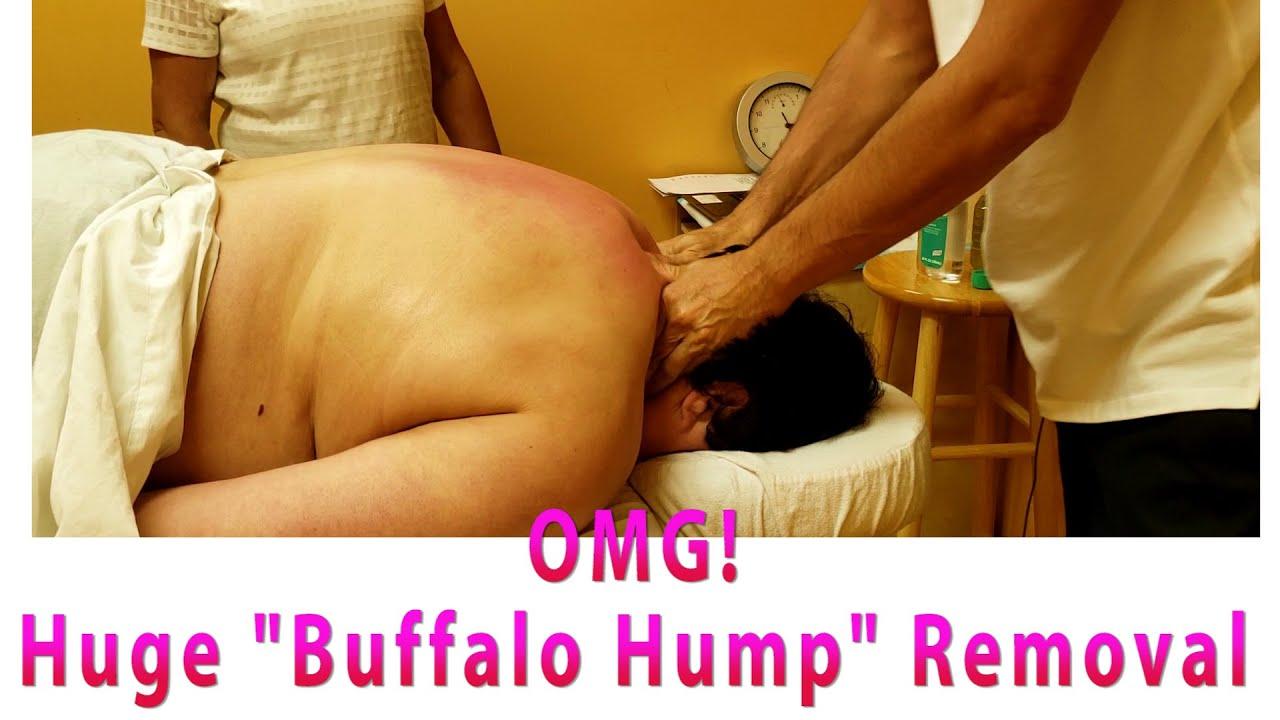
The dorsocervical fat pad, commonly referred to as a "buffalo hump removal riyadh," is a localized accumulation of adipose tissue at the base of the neck. For those experiencing this condition, understanding its origins is the first step toward finding a lasting solution. In Riyadh, patients have access to advanced clinical interventions that target this specific, often treatment-resistant area, helping to restore a smooth, natural silhouette and alleviate physical discomfort.
A buffalo hump is not necessarily a sign of general obesity. Because the tissue in the cervicothoracic junction—where the neck meets the spine—is denser and more fibrous than fat in other regions, it often fails to respond to calorie-restricted diets. Identifying the root cause is essential for determining the most effective treatment plan.
Hormonal and Metabolic Factors: Conditions such as Cushing’s syndrome, which involves elevated levels of cortisol, are frequently linked to fat redistribution toward the upper back and neck.
Medication-Induced Lipodystrophy: The long-term use of certain medications—specifically corticosteroids and specific antiretroviral therapies—is a well-documented cause of localized fat buildup in the dorsocervical region.
Genetic Predisposition: For many individuals, the body is simply programmed to store adipose tissue in this specific area due to inherited traits, regardless of their overall body composition.
Structural/Postural Stress: While not the primary cause of fat deposition, chronic poor posture can sometimes make the area appear more pronounced and contribute to secondary tension in the surrounding muscles.
Because this fat is typically "metabolically shielded," mechanical intervention is often the only way to achieve significant volume reduction. Specialists in Riyadh utilize modern techniques to contour the area safely.
Liposuction is the most common and effective solution for patients who have sufficient skin elasticity and want a minimally invasive procedure.
VASER and Laser-Assisted Liposuction: These technologies use ultrasound or laser energy to specifically target the fibrous bands that tether the fat cells. By liquefying the tissue before it is suctioned, surgeons can achieve a more precise, uniform contour and encourage the skin to tighten smoothly after the fat is removed.
Tumescent Technique: This involves the injection of a specialized saline solution to ensure the procedure is safe, comfortable, and minimizes bleeding, leading to faster recovery times.
In cases where the fat pad has matured into a hard, non-pliable mass (often termed lipomatosis), liposuction may not be sufficient.
Definitive Removal: Direct excision involves a deliberate incision that allows the surgeon to physically remove the dense tissue. This is the most reliable approach for providing a flat, natural-looking surface when the tissue is too hardened for a cannula.
Scar Management: Surgeons are highly skilled at placing these incisions within natural skin folds, ensuring that the final aesthetic result is clean and the scar is minimally visible.
A successful outcome in Riyadh begins with a thorough diagnostic process:
Clinical Assessment: Determining if the hump is primary or secondary to an underlying medical issue is the first priority. If a systemic cause is suspected, specialists may coordinate care with endocrinologists.
Anatomical Mapping: Evaluating the density and boundaries of the fat pad to decide whether liposuction or excision is the safest and most effective method for the patient.
Strategic Planning: Creating a treatment plan that focuses on a natural transition from the base of the skull to the shoulders, preventing any "step-offs" or contour irregularities.
Recovery is a critical phase of the treatment process.
Compression Support: Wearing a medical-grade compression garment for several weeks is standard, as it provides the constant pressure needed to prevent fluid buildup (seromas) and helps the skin conform to the new, corrected shape.
Activity Modifications: Patients are generally advised to avoid heavy lifting and intense upper-back strain for several weeks to allow the surgical site to heal without tension.
Sustainability: While the removed fat cells are gone, maintaining a stable weight through a balanced diet and regular activity is key to preserving your results. For patients whose hump was linked to specific medications, ongoing management with their primary healthcare team is essential to ensure long-term success.
By choosing experienced professionals in Riyadh, patients can safely resolve the appearance of a buffalo hump, restoring both the physical comfort and the balanced aesthetic profile they desire.



