


The Role of Physiotherapy in Building Strength and Mobility
Everyday life demands constant movement—walking, sitting, lifting, or simply maintaining balance. Over time, these daily tasks can place stress on our muscles and joints, often leading to stiffness, discomfort, or pain. Physiotherapy has become one of the most effective ways to restore strength and movement without depending on medication. In places like wickford physiotherapy, the approach is focused on helping individuals move better, recover faster, and prevent future injuries through guided exercise and awareness.
Physiotherapy isn’t only about treating injuries—it’s about understanding how the body moves. When muscles or joints lose flexibility or alignment, other parts of the body begin to compensate, leading to imbalance and strain. Physiotherapists assess how different parts of the body interact and create treatment plans that restore harmony between movement, balance, and posture. This process not only relieves pain but also enhances long-term mobility.
The foundation of any physiotherapy program lies in understanding the root cause of discomfort. For instance, someone might feel pain in their lower back, but the real issue could stem from weak hip muscles or tight hamstrings. A thorough assessment helps identify these hidden factors so the treatment focuses on correcting the source rather than just the symptom.
Movement plays a central role in recovery. Targeted exercises are designed to stretch tight muscles, strengthen weaker areas, and improve joint flexibility. These movements are gentle yet progressive, allowing the body to adapt at a steady pace. Over time, patients notice that their pain decreases, their posture improves, and everyday activities become easier and more natural.
Another important element is education. Physiotherapy teaches people how to use their bodies efficiently and avoid habits that lead to strain. Simple changes—like adjusting your sitting position, using ergonomic furniture, or taking short movement breaks—can make a significant difference. This self-awareness reduces the risk of future pain and helps maintain physical well-being even after recovery.
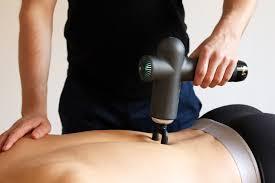
Manual therapy techniques such as soft tissue massage, joint mobilization, and stretching can also help reduce stiffness and improve blood circulation. When combined with active exercises, they accelerate the healing process. Many people find that manual therapy relieves muscle tension, restores normal movement patterns, and enhances overall relaxation.
Breathing exercises and posture correction also play a vital part. Breathing deeply and evenly supports core stability and reduces unnecessary tension in the shoulders and neck. Maintaining good posture during daily activities ensures that pressure is evenly distributed across the spine and joints, preventing overuse injuries.
The mental and emotional benefits of physiotherapy are equally valuable. Pain can affect confidence and limit participation in everyday activities. Physiotherapy encourages people to move again, gradually rebuilding trust in their bodies. This positive cycle—where movement leads to relief, and relief inspires more movement—creates lasting results.
In community settings like wickford physiotherapy, sessions often include lifestyle advice, such as how to maintain healthy activity levels and manage stress. Physiotherapists emphasize gradual progress, ensuring exercises match each person’s comfort and capability. The focus is always on practical, sustainable improvement rather than quick fixes.
Consistency is the key to success in physiotherapy. Regular sessions and daily exercises strengthen the body, improve coordination, and prevent recurring problems. Over time, the improvements become noticeable—not just in reduced pain, but in better energy levels, improved sleep, and a greater sense of control over physical health.
In summary, physiotherapy is about more than rehabilitation—it’s about understanding your body and learning how to move efficiently. It helps restore strength, balance, and flexibility, allowing people to live without constant discomfort. Through guided movement, education, and steady progress, it promotes recovery and long-term wellness. Whether you’re recovering from injury, managing chronic pain, or simply aiming to stay active, physiotherapy offers the tools to move better and feel stronger every day.

 English
 Arabic
 French
 Spanish
 Portuguese
 Deutsch
 Turkish
 Dutch
Dutch
 Italiano
 Russian
 Romaian
 Portuguese (Brazil)