 English
 Arabic
 French
 Spanish
 Portuguese
 Deutsch
 Turkish
 Dutch
Dutch
 Italiano
 Russian
 Romaian
 Portuguese (Brazil)
 Greek
Greek

Tennis Lesson Singapore
Other |
2026-03-15 09:05:36
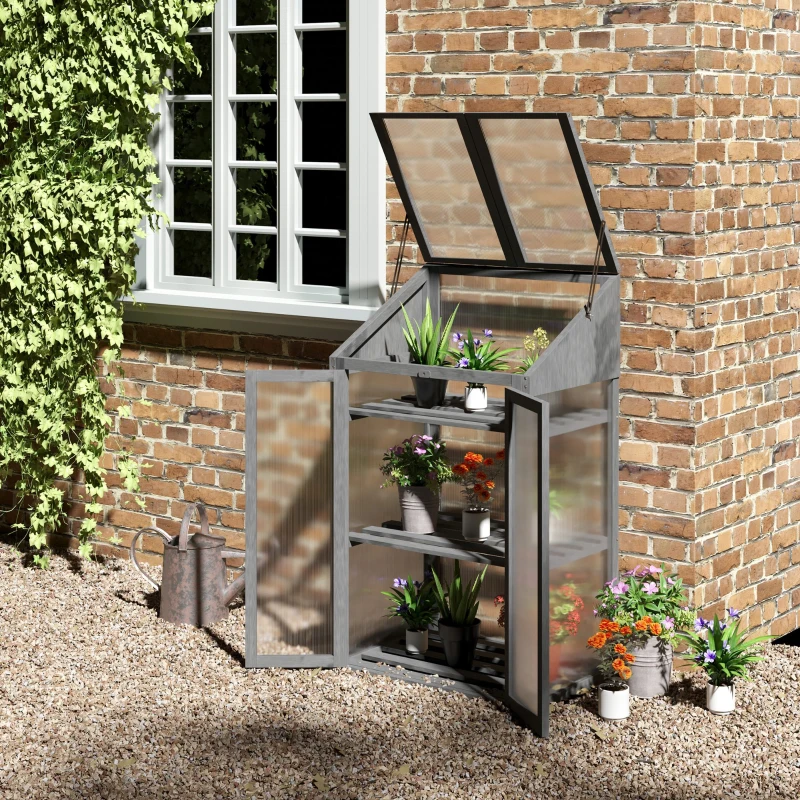
Winter gardening doesn’t have to mean shutting everything down. With a cold frame, it’s possible to keep crops growing, extend harvests, and protect delicate plants from harsh conditions. This simple structure acts like a mini greenhouse, trapping heat and shielding plants from frost, wind, and heavy moisture.
Here’s how to use a cold frame effectively to keep your garden productive through the colder months.
A cold frame is a low, enclosed box with a transparent lid, usually placed directly over soil or raised beds. It works by capturing sunlight during the day and holding that warmth overnight.
This creates a stable microclimate where:
Soil stays warmer than the surrounding ground
Frost exposure is reduced
Wind and snow are blocked
Moisture levels are easier to control
Even a few extra degrees can make a big difference in winter plant survival.
Placement matters more than the structure itself. A well-positioned cold frame can significantly boost performance.
Face it toward the south to capture maximum sunlight
Place it against a wall or fence for added insulation
Avoid shaded areas from trees or buildings
Use level ground with good drainage
A sheltered spot helps retain heat and prevents cold winds from lowering the internal temperature.
Healthy soil is the foundation of winter gardening. Since plant growth slows down in colder weather, it’s important to prepare the bed in advance.
Mix in compost or well-rotted organic matter
Remove weeds and leftover debris
Loosen compacted soil for better root growth
Add mulch to retain warmth and moisture
Once winter arrives, soil amendments become harder to incorporate, so early preparation is key.
Not all plants thrive in winter conditions, but many cool-season crops perform well inside a cold frame.
Best options include:
Leafy greens: spinach, kale, lettuce
Root vegetables: carrots, radishes
Herbs: parsley, chives, coriander
Hardy greens: Swiss chard, arugula
These crops tolerate low temperatures and continue growing slowly even with limited daylight.
Timing is everything when using a cold frame.
Sow seeds in late summer or early autumn
Transplant seedlings before the first frost
Allow plants to establish before temperatures drop significantly
The goal is to have mature or nearly mature plants by the time winter sets in, as growth slows dramatically afterward.
One of the most important aspects of using a cold frame is temperature control.
Open the lid slightly on sunny days to prevent overheating
Close it before evening to trap warmth
Monitor internal temperature regularly
Add insulation (like straw or fleece) during extreme cold
Even in winter, temperatures inside a cold frame can rise quickly on bright days, so ventilation is essential.
Plants need less water in winter, but they shouldn’t dry out completely.
Water during midday when temperatures are warmer
Avoid overwatering to prevent root rot
Check soil moisture regularly
Ensure proper drainage to avoid water buildup
Condensation can occur inside the frame, so balancing humidity is just as important as watering.
Cold frames offer protection, but extra care is needed during severe weather.
Add an extra layer like garden fleece or blankets
Use straw or leaves for insulation around plants
Keep the lid fully closed during freezing nights
Consider doubling up with a second cover for added warmth
These steps help maintain a stable environment when temperatures drop sharply.
A cold frame isn’t completely hands-off. Regular checks keep everything running smoothly.
Inspect plants for signs of stress or disease
Adjust ventilation based on weather conditions
Remove dead leaves to prevent mould
Clean the lid to maximize sunlight penetration
Small daily actions can greatly improve plant health and yield.
Avoiding a few common errors can make winter gardening much easier:
Placing the frame in a shaded or exposed area
Overwatering during cold periods
Forgetting to ventilate on sunny days
Planting too late in the season
Using poor-quality or compacted soil
Correcting these early ensures better results throughout winter.
Using a cold frame is one of the simplest ways to keep a garden active during winter. It extends the growing season, protects crops, and allows for fresh harvests even in colder conditions. With proper placement, timing, and care, a cold frame turns a quiet winter garden into a productive and rewarding space.



