English
 Arabic
 French
 Spanish
 Portuguese
 Deutsch
 Turkish
 Dutch
Dutch
 Italiano
 Russian
 Romaian
 Portuguese (Brazil)
 Greek
Greek

Chandigarh to Bir Billing Taxi
Other |
2026-02-07 13:48:22
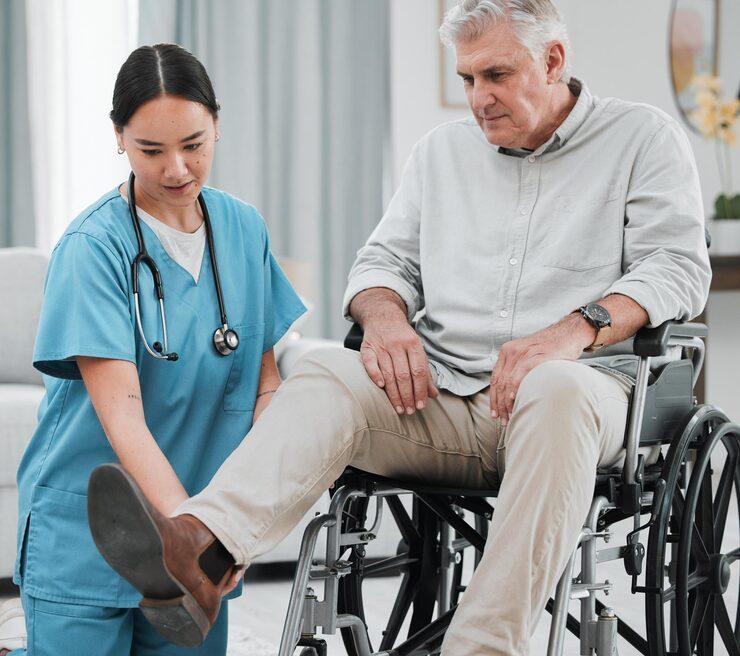
Recovery is rarely linear. After surgery, stroke, serious illness, or injury, patients face not only physical limitations but also emotional uncertainty. Clinical intervention is essential—but clinical precision alone is not enough. Sustainable healing occurs when structured rehabilitation is delivered in an environment defined by empathy, dignity, and human connection.
Skilled nursing and rehab communities operate at this critical intersection. They combine evidence-based therapy services with compassionate caregiving, creating a recovery model that restores both strength and confidence.
Skilled nursing care begins with medical stability. Patients admitted to skilled nursing and rehab settings often require:
24-hour licensed nursing supervision
Medication management and reconciliation
Post-surgical monitoring
Wound care
Pain management
Chronic disease management
Cardiac or respiratory support
This level of oversight ensures that recovery proceeds safely. Early detection of complications—such as infection, dehydration, or adverse medication reactions—prevents setbacks and reduces hospital readmissions.
However, medical monitoring is only one component of the recovery equation.
Rehabilitation services form the core of skilled nursing and rehab programs. These services are typically delivered by licensed professionals within a coordinated interdisciplinary team.
Physical therapy focuses on restoring strength, mobility, balance, and endurance. Following hospitalization, muscle weakness and impaired coordination are common. Physical therapists design structured programs that progressively challenge patients while maintaining safety.
Therapy may include:
Gait training
Balance exercises
Range-of-motion activities
Strength conditioning
Transfer training
Fall prevention strategies
Each session builds functional capacity, preparing patients for independent living.
Occupational therapy centers on practical independence. After surgery or illness, everyday activities such as dressing, bathing, and preparing meals can become overwhelming.
Occupational therapists teach adaptive techniques, introduce assistive devices, and retrain motor skills so patients regain autonomy in daily life. The objective is not merely survival—it is restored self-sufficiency.
Speech therapy addresses communication disorders, swallowing difficulties, and cognitive impairments. Stroke survivors and neurological patients often require support in these areas.
Speech-language pathologists work on:
Safe swallowing techniques
Language comprehension
Memory improvement
Executive functioning skills
Problem-solving abilities
Together, these therapy disciplines create a comprehensive rehabilitation pathway.
While therapy restores physical function, compassion sustains emotional resilience. Numerous studies show that empathetic care reduces stress responses, improves patient cooperation, and enhances treatment adherence.
Compassion in skilled nursing and rehab settings is expressed through:
Active listening
Patience during therapy sessions
Encouragement after setbacks
Respectful communication
Recognition of personal history and preferences
Recovery often involves frustration. Patients may feel vulnerable or discouraged. Compassionate staff help reframe setbacks as part of the healing process, maintaining morale and motivation.
Trust is foundational in healthcare. Skilled nursing and rehab communities foster trust through consistent staffing, clear communication, and collaborative goal setting.
Patients who trust their care team are more likely to engage fully in therapy. They follow exercise plans, report symptoms promptly, and participate actively in care decisions. This partnership accelerates recovery.
Consistency also reduces anxiety. Familiar caregivers create stability in what can otherwise feel like an uncertain period.
Effective skilled nursing and rehab programs operate through interdisciplinary collaboration. Nurses, therapists, physicians, dietitians, and social workers meet regularly to review progress and adjust care plans.
This integrated approach prevents fragmented treatment. For example:
A dietitian may adjust nutrition to support wound healing.
A physical therapist may coordinate with nursing to optimize pain control before sessions.
A social worker may address emotional barriers affecting participation.
Each professional contributes to a unified recovery strategy.
Recovery is both physical and psychological. Patients frequently confront:
Fear of reinjury
Anxiety about returning home
Frustration with temporary limitations
Concerns about long-term independence
Skilled nursing communities provide emotional support through structured routines, peer interaction, and access to counseling resources when needed.
Compassionate engagement helps patients rebuild confidence alongside physical strength.
Families often experience stress during a loved one’s rehabilitation journey. Uncertainty about progress and discharge timelines can create anxiety.
Skilled nursing and rehab communities promote transparency through:
Regular care conferences
Progress reports
Open communication channels
Family education sessions
When families understand therapy goals and clinical milestones, they become empowered partners in recovery. This collaborative dynamic enhances long-term success.
Compassion extends beyond interpersonal interactions. It is embedded in safety protocols and environmental design.
Skilled nursing environments typically feature:
Handrails and non-slip flooring
Adaptive bathroom fixtures
Therapy gyms with specialized equipment
Emergency call systems
Close supervision during mobility exercises
These safety measures reflect a commitment to protecting patients during vulnerable stages of healing.
Proper nutrition is integral to rehabilitation success. Dietitians in skilled nursing and rehab settings create meal plans tailored to medical diagnoses and therapy goals.
Examples include:
High-protein diets to promote tissue repair
Cardiac-friendly meals
Diabetic-controlled nutrition
Texture-modified diets for swallowing safety
Balanced nutrition enhances energy levels and supports physical progress.
Every patient enters skilled nursing and rehab with unique challenges. Comprehensive assessments guide personalized care plans that include measurable goals such as:
Walking a specific distance independently
Completing ADLs without assistance
Regaining speech clarity
Managing medications confidently
Returning safely to home environments
Tracking progress fosters motivation. Each milestone reinforces belief in recovery potential.
Recovery does not conclude upon discharge. Skilled nursing teams initiate transitional care planning early, ensuring patients leave prepared for the next stage.
This may include:
Home safety evaluations
Equipment coordination
Caregiver education
Follow-up appointment scheduling
Home health referrals
Thoughtful discharge planning reflects compassion in action—ensuring recovery momentum continues safely.
When therapy is delivered within a compassionate framework, outcomes improve significantly. Patients experience:
Reduced hospital readmissions
Greater functional independence
Improved mental health
Enhanced quality of life
Stronger confidence in daily activities
The synergy between clinical rigor and emotional support transforms rehabilitation from a technical process into a human-centered journey.
Dignity is central to effective skilled nursing and rehab care. Patients are not defined by diagnoses. They are individuals with histories, preferences, and aspirations.
Compassionate caregivers acknowledge this identity. They celebrate progress, honor personal routines, and maintain respectful communication at every interaction.
This culture of dignity reinforces psychological well-being and strengthens therapeutic outcomes.
Skilled nursing and rehab achieves optimal recovery outcomes when advanced therapy services are paired with compassionate caregiving. Clinical precision ensures medical safety and measurable progress. Empathy sustains motivation, trust, and emotional resilience. Together, they create a recovery environment that restores not only physical strength but also confidence and dignity.
At Regency Senior Living, skilled nursing and rehab services reflect this balanced philosophy. Through interdisciplinary therapy programs, 24-hour clinical oversight, and a deeply compassionate approach to care, Regency Senior Living supports individuals on their journey toward safe, confident recovery and renewed independence.