
Simple Ways to Keep Your Swimming Pool in Good Condition

Start With a Consistent Maintenance Routine
A swimming pool needs regular care to remain clean, comfortable, and functional throughout the season. Waiting until the water looks dirty or equipment stops working can lead to bigger maintenance concerns. A consistent routine makes it easier to monitor water quality, circulation, surfaces, and equipment. Even simple checks performed regularly can help homeowners stay ahead of common pool problems.
Check the Water Regularly
Water quality is one of the most important parts of pool care. Homeowners should regularly test the water and monitor the appropriate chemical levels for their specific pool. Swimming Pool Maintenancec balance water can help protect swimmers, pool surfaces, and equipment. Testing on a consistent schedule also makes it easier to notice changes before they become difficult to manage.
Keep the Pool Free of Debris
Leaves, insects, dirt, and other debris can collect on the surface of a swimming pool. Using a suitable pool skimmer regularly can help remove floating debris before it sinks. Larger debris can also place additional demands on the filtration system. Keeping the water surface clean is a simple task that can improve the overall appearance of the pool.
Clean the Pool Walls and Floor
Dirt and residue can gradually collect on pool surfaces. Brushing the walls and floor can help loosen buildup and move particles toward the filtration system. The appropriate brush should depend on the pool's surface material. Regular cleaning can help maintain a cleaner appearance while reducing the amount of buildup that develops over time.
Maintain the Pool Filter
The filter is an important part of the circulation system because it removes particles from the water. A dirty or restricted filter can reduce water flow and make circulation less effective. Filters should be cleaned or serviced according to their type and manufacturer's instructions. Regular filter maintenance can support better water circulation.
Check the Pool Pump
The pump moves water through the filter and other parts of the circulation system. Homeowners should pay attention to unusual noises, changes in water flow, difficulty starting, or repeated shutdowns. These signs may indicate that the equipment needs attention. Keeping the pump operating properly is an important part of routine pool care.
Monitor the Water Level
Pool water naturally changes because of evaporation, splashing, weather, and normal use. However, an unexpected drop in water level may require further investigation. Homeowners can monitor the pool regularly to understand its normal water-loss pattern. Significant or unexplained changes should not simply be ignored.
Look for Possible Leaks
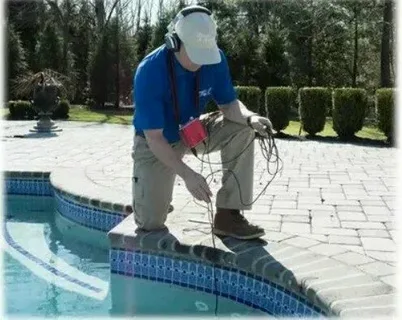
Leaks can occur in different parts of a swimming pool system, including plumbing connections, equipment, fittings, and the pool structure. Signs may include unusual water loss, wet areas, or changes around the equipment. Not every leak is visible, so persistent water loss may require additional evaluation. Finding a problem early can help prevent unnecessary water waste and property concerns.
Keep the Skimmer Baskets Clean
Skimmer baskets collect leaves and other debris before they reach the main circulation system. A basket that becomes too full can restrict proper water movement. Homeowners should check and clean skimmer baskets regularly, particularly during periods when the pool receives a lot of debris. This small maintenance task can help support better circulation.
Inspect Pool Equipment
Pool equipment should be checked regularly for visible wear, moisture, unusual sounds, or changes in performance. Pumps, filters, heaters, valves, and other components all contribute to proper pool operation. Early attention to unusual conditions may help prevent more serious equipment problems. Equipment should be maintained according to manufacturer recommendations.
Keep the Pool Heater in Good Condition
A pool heater can be useful when water temperatures need to be increased. If the heater takes unusually long to warm the pool, repeatedly shuts down, or produces error messages, it may require inspection. Regular maintenance can help keep the system operating as intended. Homeowners should follow the manufacturer's maintenance requirements for their specific heater.
Pay Attention to Pool Chemistry
Proper water chemistry can help protect the pool and its equipment. Chemical levels that are too high or too low may contribute to irritation, scaling, corrosion, or other concerns. Regular testing provides useful information about the condition of the water. Chemical adjustments should always follow the product instructions and the requirements of the particular pool.
Clean the Pool Deck
Pool maintenance should include the surrounding deck and walking areas. Dirt, leaves, standing water, and other debris can make the area look untidy and may create avoidable hazards. Regular sweeping and appropriate cleaning can help maintain the surrounding space. Drainage should also be monitored so water does not remain where it should not.
Inspect Pool Safety Features
Safety equipment should be checked regularly rather than only when the pool is being prepared for use. Gates, barriers, fencing, covers, alarms, and other safety features should remain in suitable condition. Local requirements can vary, so homeowners should follow applicable regulations. Any damaged safety feature should be addressed promptly.
Check Pool Lights
Pool lights can provide visibility during evening swimming and around the surrounding area. Homeowners should watch for flickering, damaged fixtures, or lights that stop working. Because electrical equipment is located near water, electrical problems should be handled by a qualified professional. Routine visual checks can help identify concerns early.
Maintain Pool Plumbing
Plumbing connections play a major role in circulation and water movement. Visible pipes, valves, and connections can be checked for signs of moisture or damage. Changes in water pressure or circulation may also provide clues that something needs attention. Regular equipment checks can help homeowners identify plumbing concerns before they become more disruptive.
Prepare the Pool for Seasonal Changes
Pool maintenance needs can change with the weather and frequency of use. Before a busy swimming season, homeowners can inspect the equipment, clean the pool, check the filter, and test the water. During periods of reduced use, maintenance should continue according to the pool's requirements. Seasonal preparation can help keep the system ready when it is needed.
Keep Maintenance Records
Simple records can make ongoing pool care more organized. Homeowners can record water testing, filter cleaning, equipment servicing, repairs, and unusual water-level changes. These notes can help identify recurring issues over time. They can also provide useful information when a technician needs to evaluate the pool system.
Address Small Problems Early
A minor issue can sometimes become more complicated when it is ignored. Unusual water loss, poor circulation, damaged surfaces, strange equipment sounds, or repeated heating problems should be investigated when they first appear. Early attention may make maintenance easier and help prevent unnecessary disruption. Regular observation is one of the simplest ways to stay aware of the pool's condition.
Make Pool Care Part of Your Routine
Good Swimming Pool Maintenance does not have to be complicated when tasks are performed consistently. Cleaning the water, checking chemistry, maintaining filters and pumps, inspecting equipment, and monitoring water levels can all contribute to better pool conditions. A regular schedule makes these tasks easier to remember and manage. With steady care and timely attention to problems, homeowners can keep their swimming pool cleaner, more comfortable, and ready for regular use.

 English
 Arabic
 French
 Spanish
 Portuguese
 Deutsch
 Turkish
 Dutch
Dutch
 Italiano
 Russian
 Romaian
 Greek
Greek