 English
 Arabic
 French
 Spanish
 Portuguese
 Deutsch
 Turkish
 Dutch
Dutch
 Italiano
 Russian
 Romaian
 Portuguese (Brazil)
 Greek
Greek

Where Can Contractors in Wolfforth Get Fast Approval for Machinery Purchases?
Other |
2026-02-25 21:28:07
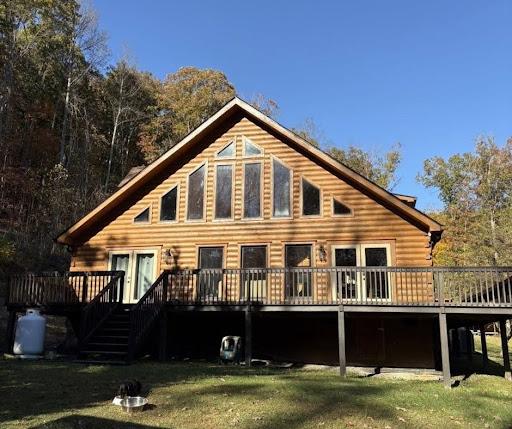
You know that sinking feeling when you walk into your cabin, grab your coffee, and notice a dark patch creeping along the wall? That’s rot. And in a log cabin, rot isn’t just an eyesore. It’s sneaky, relentless, and if you let it slide, it will eat your logs alive. Ignoring it is a fast track to bigger problems, and suddenly what started as a small patch could turn into a structural nightmare. That’s why log cabin repair rotten logs isn’t optional—it’s essential.
Let’s be real: not every cabin owner knows what they’re dealing with. Logs can look fine on the surface while hiding decay inside. And that’s where many people slip up—they think “it’s just a stain” or “maybe it’s minor,” but wood rot doesn’t care about hope or luck. It spreads. Fast. Moisture, insects, bad drainage—pick your poison. They all feed rot and make your logs weaker over time.
Why Rotten Logs Demand Immediate Attention
Rot in log cabins isn’t like a little chip in paint. It’s a slow-moving predator. When you spot signs, the damage has often already started beneath the surface. Wood fungi, the main culprit, love damp, shaded, or poorly ventilated areas. Left unchecked, this fungus literally digests the wood fibers, turning solid logs into a soft, crumbly mess. And once that happens, you’re not just looking at cosmetic fixes. We’re talking serious structural concerns.
Here’s the hard truth: fixing rotten logs later is harder, pricier, and sometimes impossible without replacing entire sections. That’s why learning early signs is critical. Look for dark streaks, spongy spots, and wood that peels away easily. Odor can be a giveaway too—a musty, earthy smell that makes your nose scrunch. If you notice these, don’t sit on it. Get to it before it spreads.
Assessing the Damage Before You Act
Before you rush in with a hammer and crowbar, take stock. Not every soft spot means full-blown rot, but you need to know what you’re dealing with. Tap the wood lightly with a screwdriver or small hammer. Hollow sounds? Problem. Crumbly edges? Bigger problem. Remember, water is the root cause here. If you have a leak in the roof, gutters that overflow, or ground water sitting too close to your cabin, stopping the moisture source is step one.
Once you’ve assessed, the next step is deciding on the treatment. Here’s where repair log cabin rot comes in. Some logs can be salvaged with epoxy consolidants and wood hardeners. These products penetrate the decayed areas and stabilize them. Sounds easy, but it takes patience and precision. Apply too thin, and it doesn’t work. Too thick, and it leaves a sticky mess that won’t cure properly. Either way, it’s a stopgap, not a permanent fix if the rot has gone deep.
Full Log Replacement: When Patchwork Isn’t Enough
Sometimes, the rot has gone too far. You can’t just slap some epoxy on it and call it good. At this stage, log cabin repair rotten logs means removal and replacement. Yeah, it’s a pain. And yes, it’s expensive. But it’s better than watching your cabin slowly collapse or developing major safety hazards.
Replacing logs isn’t just about swapping wood. You’ve got to consider matching the old logs—size, species, shape—and sealing the joints properly. You don’t want new logs that trap moisture in corners, because then you’re back to square one. And sealants, caulks, and proper staining? Non-negotiable. These layers keep water out, slow down rot, and help preserve your work.
Prevention: The Silent Hero of Cabin Care
Here’s the kicker: the best log cabin repair rotten logs strategy isn’t just repairing—it’s preventing rot in the first place. You’ve got to think like a wood fungus: dark, damp, and ignored areas are their playground. Regular maintenance is your shield.
Check your cabin at least twice a year, especially after harsh winters or wet seasons. Look for leaks, check drainage, make sure gutters aren’t clogged. Staining your logs is also crucial. Not just any stain—go for penetrating oils or water-repellent treatments that seal the wood while letting it breathe. Keep landscaping at bay too; vines and shrubs hugging the walls trap moisture. Even small changes in airflow around your cabin can make a massive difference.
DIY vs. Professional Help
I’ll be blunt: log repair is tricky. Small patches you can tackle yourself, sure. Epoxy treatments, sanding, and resealing—fine. But when the rot spreads across structural walls, bring in the pros. They’ve got the experience, tools, and patience to replace logs correctly. Trying to cut corners on major repairs usually ends with more rot, more cost, and more headache.
Don’t let pride or “I can do it myself” thinking fool you. Structural integrity is not something to gamble with. Even a minor misstep in log alignment or sealing can leave you vulnerable to moisture. And that’s rot’s golden ticket.
The Cost of Ignoring Rot
Some people wait, hoping the problem disappears. News flash: it doesn’t. Rot expands like mold on wet bread. If ignored, you’re looking at weakening walls, sagging floors, and eventual collapse in extreme cases. The financial hit? Huge. And emotionally, it’s brutal watching your dream cabin turn into a liability—something many people realize when they start searching for log cabin contractors near me in Winchester, Virginia a little too late.
Investing in log cabin repair rotten logs early saves you money, frustration, and sleepless nights. Think of it as insurance, but one where you actually see the benefits. You keep your cabin safe, strong, and cozy for years to come.
Conclusion
Rot is ruthless. It doesn’t negotiate. And in a log cabin, every delay makes things worse. Log cabin repair rotten logs is not just maintenance—it’s survival for your structure. From spotting the first signs, assessing damage, patching or replacing logs, to taking serious preventive measures, each step counts.
If you own a cabin, pay attention. Check your logs, inspect for moisture, fix leaks fast. Don’t rely on luck or wishful thinking. Repair log cabin rot sooner rather than later, or be ready to pay the price. Because when rot starts spreading across your walls, it’s not just a cosmetic issue. It’s a structural wake-up call. And your cabin deserves better than a slow decay.




