 English
 Arabic
 French
 Spanish
 Portuguese
 Deutsch
 Turkish
 Dutch
Dutch
 Italiano
 Russian
 Romaian
 Portuguese (Brazil)
 Greek
Greek

Buy Google Play Console Account
Shopping |
2026-02-20 06:21:41
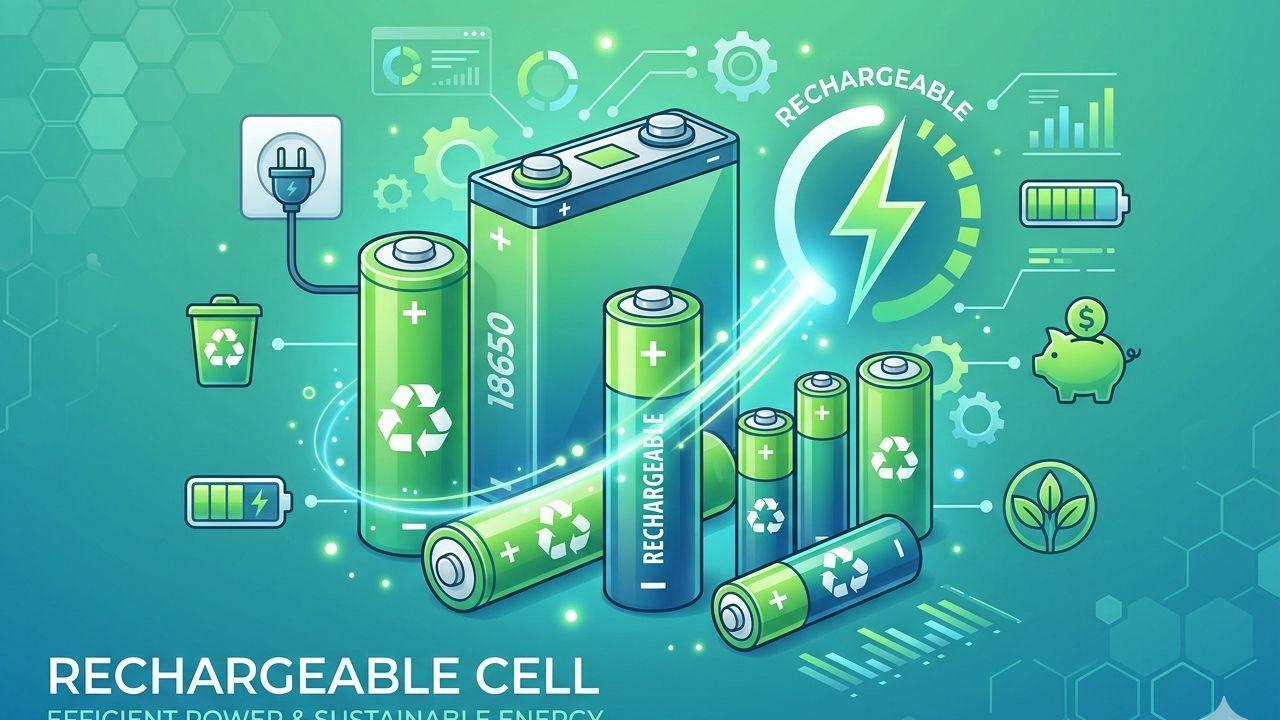
In the modern world, energy storage has become more critical than ever. With the rise of portable devices, electric vehicles, and renewable energy systems, the demand for efficient and sustainable power solutions is skyrocketing. Among these, the rechargeable cell stands out as a versatile and eco-friendly option. But what exactly is a rechargeable cell, how does it work, and why is it so significant in our daily lives? This article explores all these aspects in detail.
A rechargeable cell is a type of electrical battery that can be charged, discharged, and reused multiple times. Unlike single-use batteries that lose their capacity after one cycle, rechargeable cells allow energy to be stored and released repeatedly, making them more sustainable and cost-effective in the long run.
Rechargeable cells come in various types, each with unique features suitable for different applications:
Nickel-Cadmium (NiCd) Cells
Known for their robustness and long life cycles.
Handle high discharge rates, making them suitable for power tools.
However, they suffer from the “memory effect,” which reduces capacity if not fully discharged before recharging.
Nickel-Metal Hydride (NiMH) Cells
Offer higher capacity than NiCd cells.
Less prone to memory effect.
Commonly used in household electronics, cameras, and portable devices.
Lithium-Ion (Li-ion) Cells
Widely used in smartphones, laptops, and electric vehicles.
High energy density and low self-discharge rate.
Lightweight and environmentally friendlier than NiCd cells.
Lithium-Polymer (Li-Po) Cells
Flexible form factor, allowing innovative designs in wearable devices.
Higher safety when used with proper charging circuits.
Each type has its strengths and weaknesses, making the selection of the right rechargeable cell crucial depending on the intended use.
The operation of a rechargeable cell revolves around electrochemical reactions. It consists of three main components: the anode (negative electrode), cathode (positive electrode), and an electrolyte.
When the cell discharges, chemical energy converts into electrical energy, powering your device. During charging, electrical energy reverses the chemical reactions, restoring the cell’s energy capacity.
Initial Current Flow
When connected to a charger, current flows into the cell, starting the chemical reaction to store energy.
Voltage Stabilization
Modern chargers regulate voltage to prevent overcharging, which can damage the cell.
Completion and Trickle Charge
Once fully charged, many chargers provide a trickle charge to maintain capacity without overloading.
This cycle can repeat hundreds to thousands of times depending on the cell type and quality.
Switching from disposable batteries to rechargeable cells offers numerous benefits:
Cost-Effectiveness
Although the initial investment may be higher, rechargeable cells save money in the long term by reducing the need for frequent replacements.
Environmental Impact
Rechargeable cells produce less waste and reduce harmful chemicals released into the environment.
Convenience
Always having a charged cell ready for use reduces interruptions in device operation.
Performance Consistency
High-quality rechargeable cells maintain voltage output consistently, ensuring devices function optimally.
Rechargeable cells have become indispensable in various sectors due to their versatility and efficiency.
From smartphones to wireless headphones, rechargeable cells power almost every portable electronic device. Li-ion and NiMH cells are especially popular in these applications due to their compact size and high energy density.
The automotive industry has seen a revolutionary shift with the adoption of EVs. High-capacity Li-ion cells provide the energy storage needed to power electric cars over long distances while keeping the vehicles lightweight and efficient.
Solar panels and wind turbines rely on rechargeable cells to store excess energy. This stored energy can then be used during periods when the sun isn’t shining or the wind isn’t blowing, ensuring a continuous power supply.
Rechargeable cells are critical in medical equipment like hearing aids, portable oxygen concentrators, and defibrillators. The reliability and consistent performance of these cells ensure that critical medical devices function when needed.
Selecting the ideal rechargeable cell depends on various factors:
Capacity (mAh or Ah)
Determines how long the cell can power a device before recharging.
Voltage
Must match the device’s specifications for safe operation.
Cycle Life
Refers to how many times a cell can be charged and discharged before capacity significantly drops.
Size and Weight
Important for portable applications like cameras, drones, or wearable technology.
Safety Features
Cells with built-in protection circuits prevent overcharging, overheating, and short-circuits.
Proper care can extend the lifespan of your rechargeable cells:
Avoid Overcharging
Disconnect once fully charged or use smart chargers.
Store Properly
Keep cells in a cool, dry place to prevent damage.
Avoid Deep Discharges
Regularly recharging before complete depletion improves longevity.
Use Compatible Chargers
Mismatched chargers can reduce efficiency and increase the risk of damage.
Despite their popularity, several misconceptions persist about rechargeable cells:
Myth 1: Rechargeable Cells Lose All Power Quickly
Reality: High-quality Li-ion cells have very low self-discharge rates, maintaining charge for months.
Myth 2: Rechargeable Cells Explode Easily
Reality: While misuse or damage can be hazardous, modern cells have safety features to minimize risks.
Myth 3: All Rechargeable Cells Are Expensive
Reality: Initial costs may be higher, but the total cost over time is often lower than disposable batteries.
The future of rechargeable cells looks promising with ongoing innovations in battery technology:
Solid-State Batteries
Safer, with higher energy density and longer lifespan than current Li-ion cells.
Faster Charging Technology
Reducing charging time will make devices more efficient and user-friendly.
Eco-Friendly Materials
Researchers are exploring biodegradable and less toxic materials for sustainable energy storage.
These advancements will further cement the role of rechargeable cells in technology, transportation, and renewable energy.
The rechargeable cell has revolutionized the way we store and use energy. From everyday electronics to cutting-edge electric vehicles, these cells offer convenience, cost savings, and environmental benefits. Understanding the different types, functions, and proper maintenance of rechargeable cells is essential to maximize their performance and lifespan. As technology advances, rechargeable cells will continue to play a pivotal role in powering a sustainable and efficient future.
By adopting rechargeable cells, individuals and industries can enjoy reliable energy, reduce waste, and contribute to a greener planet. In essence, rechargeable cells are not just a convenience—they are a necessity in today’s energy-conscious world.




