 English
 Arabic
 French
 Spanish
 Portuguese
 Deutsch
 Turkish
 Dutch
Dutch
 Italiano
 Russian
 Romaian
 Portuguese (Brazil)
 Greek
Greek

Invisible Aligners in Pakistan for a Confident Smile
Health |
2026-02-08 12:19:53
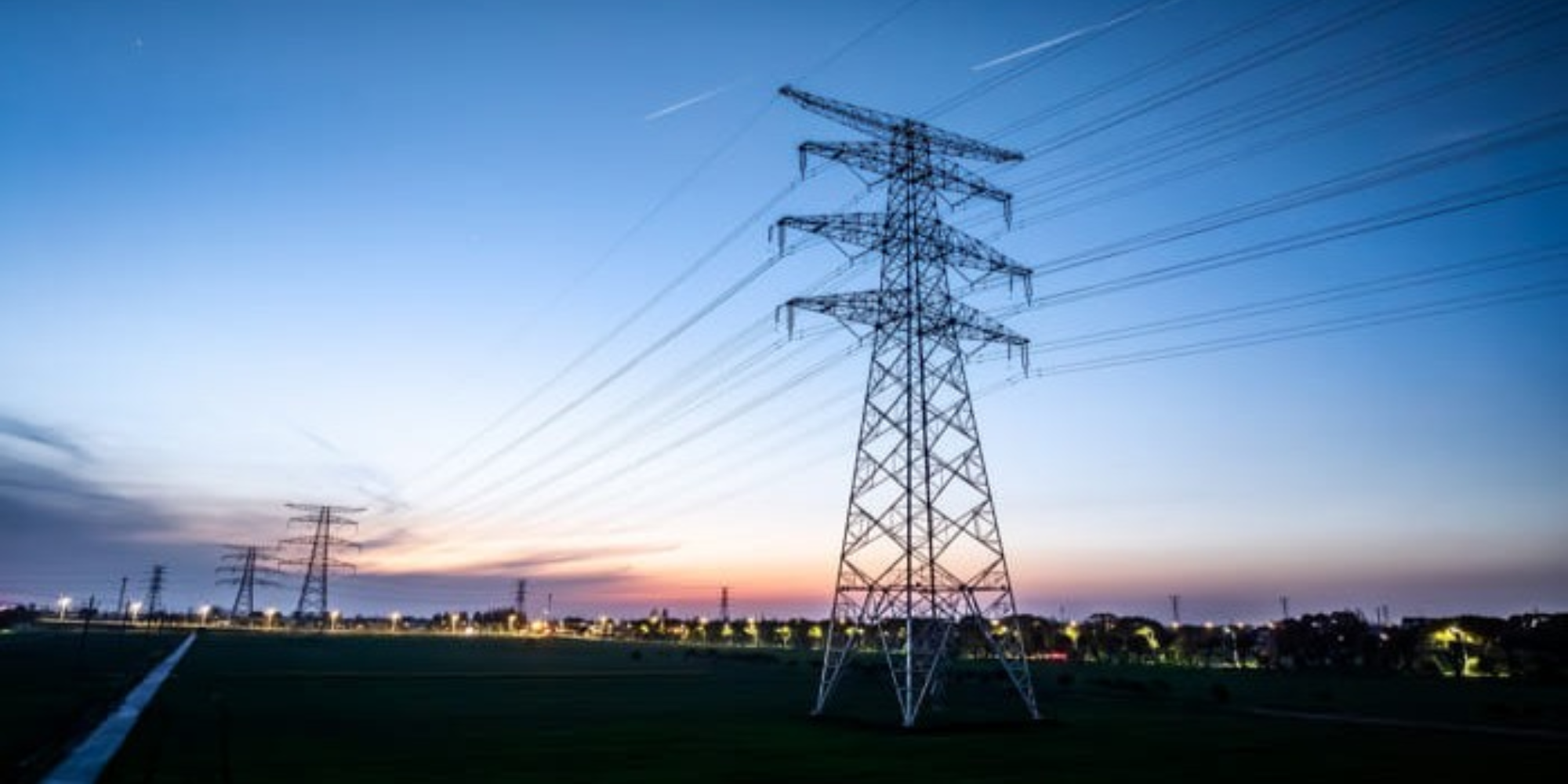
Electricity transmission infrastructure is essential for transporting power from generation sources to distribution networks serving homes, industries, and commercial centers. Transmission lines, substations, transformers, and monitoring systems ensure reliable and efficient energy delivery.
Recent shifts in the electricity transmission sector are redefining how energy is generated, transmitted, and managed. Growing electricity demand, renewable energy adoption, and technological advancements are prompting utilities to modernize grids, adopt smart technologies, and optimize network performance.
The shift toward decentralized energy generation and variable renewable sources has created new operational requirements and opportunities for advanced transmission solutions that enhance efficiency and reliability.
The Electricity Transmission Infrastructure Market Shifts highlight evolving trends, investment directions, and technological adoption across the sector. Utilities are upgrading aging infrastructure, building high-voltage transmission corridors, and integrating smart grid solutions to meet future energy demands.
Emerging markets focus on expanding grid coverage and connecting industrial and urban hubs, while developed regions are prioritizing modernization, resilience, and renewable energy integration. These shifts are reshaping the competitive and operational landscape of the electricity transmission sector.
Technological shifts are transforming traditional electricity transmission networks into intelligent, adaptive systems. Smart sensors, automated substations, predictive analytics, and high-voltage direct current lines improve grid efficiency, reliability, and capacity.
Energy storage, digital monitoring systems, and automation technologies allow utilities to manage variable supply, reduce losses, and respond dynamically to demand fluctuations. These technological shifts are critical for integrating renewable energy and optimizing network performance.
The integration of renewable energy sources is a major factor driving transmission network shifts. Solar, wind, and hydroelectric projects are often located far from consumption centers, requiring advanced long-distance transmission solutions.
Innovations such as smart grids, dynamic load management, and storage integration enable operators to balance intermittent generation with consumption, ensuring reliable electricity delivery while supporting sustainable energy growth.
Transmission infrastructure shifts vary across regions. Emerging economies are expanding networks to accommodate industrial growth, urbanization, and renewable energy projects. Developed regions focus on upgrading aging grids, implementing advanced monitoring, and enhancing resilience.
Cross-border interconnections are also shaping regional shifts, enabling electricity trade, improving energy security, and balancing supply-demand dynamics for more stable and efficient networks.
Policy and investment shifts influence the direction of transmission infrastructure development. Incentives for grid modernization, renewable integration, and sustainable development encourage public and private sector participation.
Public-private partnerships, regulatory support, and targeted investments help implement large-scale projects efficiently. These shifts in policy and finance accelerate the adoption of innovative technologies and strengthen network reliability.
The future of electricity transmission infrastructure will be shaped by ongoing strategic shifts toward intelligent, resilient, and high-capacity networks.
Artificial intelligence, predictive analytics, automation, and energy storage will optimize electricity distribution, reduce losses, and enhance system stability. By aligning investments, policies, and technologies with these shifts, stakeholders can ensure sustainable, efficient, and future-ready power networks capable of meeting growing global energy demand.




