 English
 Arabic
 French
 Spanish
 Portuguese
 Deutsch
 Turkish
 Dutch
Dutch
 Italiano
 Russian
 Romaian
 Portuguese (Brazil)
 Greek
Greek

เจาะลึก RELX รุ่นยอดนิยม
Shopping |
2026-02-28 03:01:08
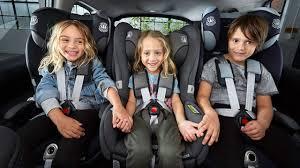
The child car safety seat industry continues to evolve as safety awareness, technological innovation, and changing consumer expectations influence product development and market expansion. Parents today are more conscious about ensuring safe travel for their children, and this growing awareness has led to increased demand for advanced safety solutions.
Manufacturers are responding by introducing new features, smarter designs, and improved safety technologies that enhance both protection and convenience. These advancements are transforming the industry and shaping the future direction of the market.
The following emerging trends illustrate how the industry is adapting to new challenges and opportunities while prioritizing child safety.
Growing Demand for Convertible Safety Seats
One of the most prominent emerging trends in the child car safety seat market is the rising popularity of convertible seats. These products are designed to adapt to different stages of a child’s development, allowing them to transition from rear-facing to forward-facing configurations and eventually to booster seats.
Parents increasingly prefer these multi-functional products because they provide long-term usability and better value for money. Instead of purchasing multiple seats as the child grows, families can rely on a single product that accommodates multiple growth stages.
Manufacturers are enhancing these convertible designs by adding adjustable harness systems, headrests, and recline positions that improve comfort and safety over time.
Integration of Smart Technology
Another important trend transforming the market is the integration of smart technology into child car safety seats. Technological advancements are enabling manufacturers to introduce features that enhance monitoring and improve safety awareness.
Some modern safety seats include sensors that alert parents if the harness is not properly secured or if the child is left unattended in the vehicle. These alerts can be delivered through mobile applications or built-in alarm systems.
Smart technology also assists with installation guidance. Mobile applications and digital interfaces help parents install safety seats correctly by providing step-by-step instructions. This reduces the risk of incorrect installation, which is one of the common issues affecting safety seat performance.
Increased Focus on Side-Impact Protection
Safety innovation remains a major focus in the development of child car safety seats. Manufacturers are investing in research to improve protection against different types of collisions, particularly side-impact accidents.
Enhanced side-impact protection systems include reinforced side wings, deep headrests, and energy-absorbing foam layers that help reduce injury risks during crashes. These design improvements distribute crash forces more effectively and provide better support for a child’s head and neck.
As safety standards continue to evolve, manufacturers are prioritizing stronger protective structures and more advanced materials that enhance seat durability and reliability.
Growth of Online Retail Channels
The expansion of e-commerce is another significant trend influencing the child car safety seat market. Online shopping platforms allow consumers to browse a wide selection of products, compare prices, and read detailed reviews before making purchasing decisions.
Digital retail channels provide convenient access to product information, installation tutorials, and demonstration videos that help parents better understand safety seat features. This accessibility increases consumer confidence and encourages informed purchasing decisions.
Manufacturers and retailers are also using digital marketing strategies to reach new audiences and educate consumers about the importance of child passenger safety.
Rising Demand in Emerging Markets
Emerging economies are becoming an increasingly important growth area for the child car safety seat industry. Rapid urbanization, rising income levels, and expanding middle-class populations are contributing to higher vehicle ownership in these regions.
As more families purchase personal vehicles, the demand for child safety equipment continues to increase. Government awareness programs and safety campaigns are also helping educate parents about the importance of child restraint systems.
Manufacturers are exploring opportunities to introduce affordable safety seats that meet regulatory requirements while addressing local consumer needs. Expanding distribution networks and forming partnerships with regional retailers can help companies strengthen their presence in these developing markets.
Focus on Comfort and Ergonomic Design
Comfort is becoming an important factor influencing purchasing decisions in the child car safety seat market. Parents want products that provide both safety and comfort for their children, especially during long car journeys.
Manufacturers are responding by designing seats with improved cushioning, breathable fabrics, and ergonomic support. Adjustable headrests and multiple recline positions allow parents to customize the seat according to the child’s needs.
Ventilation systems and temperature-regulating materials are also being incorporated into some models to improve airflow and reduce discomfort in warm climates.
Eco-Friendly and Sustainable Materials
Sustainability is emerging as a notable trend in the development of child car safety seats. Consumers are becoming more environmentally conscious, and many prefer products that are manufactured using eco-friendly materials and responsible production processes.
Manufacturers are exploring the use of recycled plastics, organic fabrics, and lightweight components that reduce environmental impact. These initiatives align with broader industry efforts to promote sustainable manufacturing practices.
Eco-friendly product designs not only appeal to environmentally aware consumers but also contribute to long-term sustainability goals within the automotive safety sector.
Simplified Installation Systems
Ease of installation has long been a concern for parents using child safety seats. Incorrect installation can compromise the effectiveness of the seat during accidents.
To address this issue, manufacturers are introducing simplified installation systems that reduce complexity and improve reliability. Modern seats often include click-in connectors, adjustable anchor systems, and visual indicators that confirm proper installation.
These innovations help parents install seats correctly and ensure that children remain securely protected during travel.
Conclusion
The evolving child car safety seat market emerging trends highlight how innovation, safety advancements, and changing consumer expectations are shaping the future of the industry. Convertible designs, smart technology integration, improved impact protection, and sustainable materials are redefining product development.
As safety awareness continues to grow and vehicle ownership increases worldwide, the demand for reliable child restraint systems is expected to expand further. Manufacturers that focus on innovation, affordability, and user-friendly design will play a key role in improving child passenger safety and driving future market growth.


