 English
 Arabic
 French
 Spanish
 Portuguese
 Deutsch
 Turkish
 Dutch
Dutch
 Italiano
 Russian
 Romaian
 Portuguese (Brazil)
 Greek
Greek

Fuller House Season 4: New Showrunners Announced
Games |
2026-02-23 04:18:08
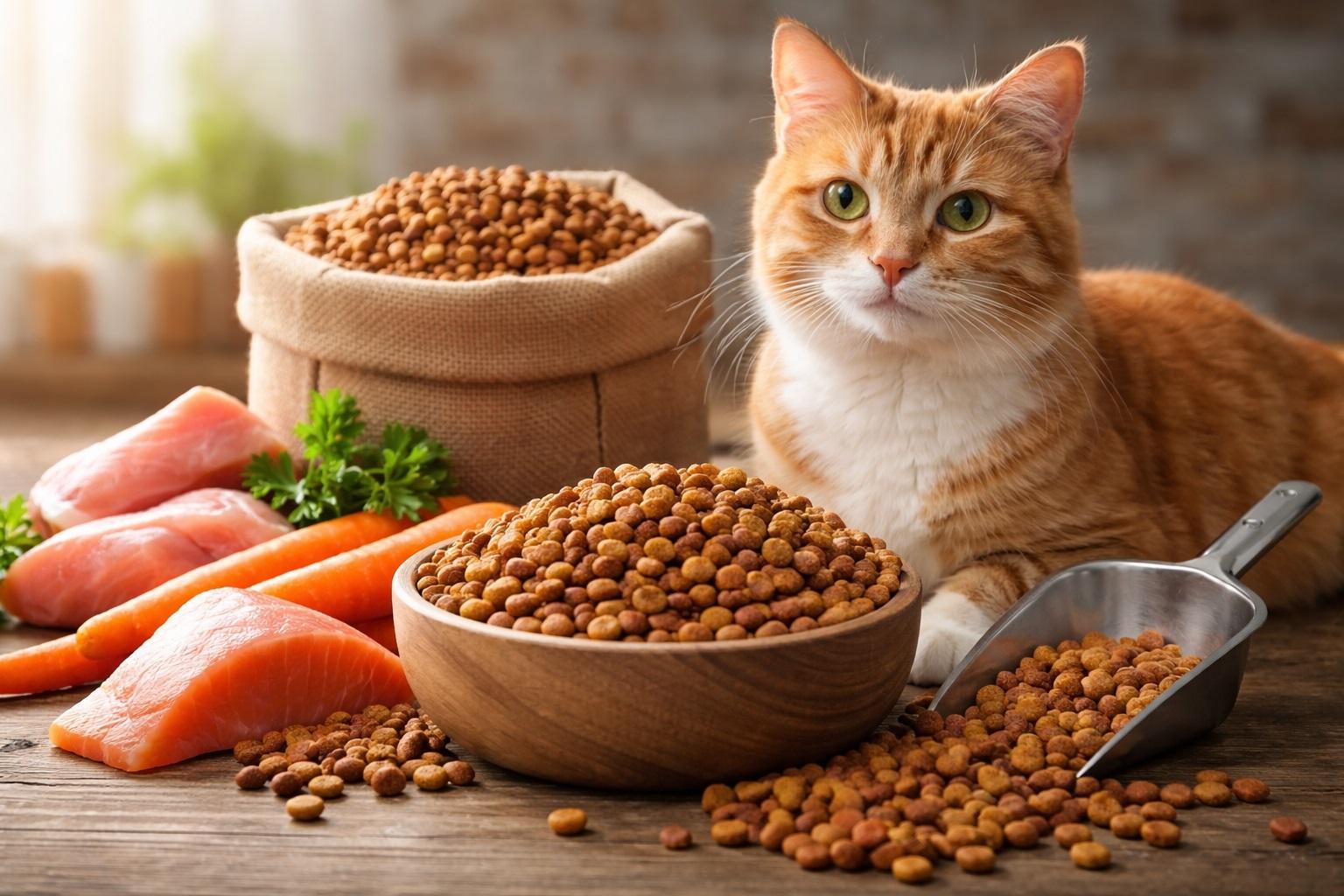
Choosing the right food for your cat can feel overwhelming. With hundreds of options on the market and conflicting advice online, many pet parents find themselves asking: Is dry cat food actually healthy? And more importantly, how do you choose the best dry cat food for your feline companion?
Dry cat food continues to be one of the most popular feeding options in the United States because it’s convenient, affordable, and easy to store. However, selecting the best dry cat food requires more than just picking a brand from the shelf. You need to understand ingredients, nutritional balance, and your cat’s specific dietary needs.
This guide will help you understand the truth about dry cat food, whether is dry food bad for cats is a myth or reality, and how to confidently choose the healthiest option for your pet.
Dry cat food has remained a staple in feline diets for decades. Despite the growing popularity of wet food and fresh diets, kibble still dominates many feeding routines.
Here are a few reasons why:
Unlike wet food, dry cat food doesn’t require refrigeration after opening. It can be stored easily and has a longer shelf life, making it practical for busy pet parents.
High-quality kibble often provides balanced nutrition at a lower price compared to canned or raw diets.
The crunchy texture of many dry foods may help reduce plaque buildup, although it should not replace regular dental care.
It’s easier to measure and manage portions with kibble, especially for cats prone to overeating.
Because of these benefits, dry cat food continues to be recommended by many veterinarians—provided you choose a high-quality formula.
One of the most common questions pet owners search online is: “is dry food bad for cats?”
The short answer is no—dry food itself is not inherently bad for cats. The issue lies in low-quality formulas that contain excessive fillers, artificial additives, and insufficient protein.
Cats are obligate carnivores, meaning their bodies require nutrients primarily from animal protein. Poor-quality kibble may contain:
High carbohydrate levels
Low meat protein
Artificial preservatives
Unnecessary fillers like corn or soy
When these ingredients dominate a diet, it may lead to weight gain, digestive issues, or nutritional imbalance.
However, premium dry cat food made with high-quality protein sources can provide complete and balanced nutrition.
The key takeaway:
👉 The quality of the dry food matters more than the format.
If you want to learn more about common misconceptions and research-backed facts, you can also explore detailed discussions around “is dry food bad for cats” in educational pet nutrition blogs.
Not all kibble is created equal. To identify the best dry cat food, look for these essential qualities.
Cats thrive on meat-based protein. Look for ingredients like:
Chicken
Salmon
Turkey
Duck
Lamb
These should appear as the first ingredient.
Quality dry cat food should contain:
Protein (30–40%)
Healthy fats
Taurine
Vitamins and minerals
Omega fatty acids
Taurine is especially important because cats cannot produce it naturally.
Avoid foods where the main ingredients are:
Corn
Wheat
Soy
Artificial coloring
While small amounts may be acceptable, they should not dominate the formula.
Cats have different needs at different life stages.
|
Life Stage |
Nutritional Needs |
|
Kittens |
High protein & calories for growth |
|
Adult Cats |
Balanced nutrition & weight control |
|
Senior Cats |
Joint support & digestible proteins |
Choosing age-appropriate dry cat food ensures optimal health.
Understanding the ingredient label is essential when selecting the best dry cat food.
High-quality protein supports muscle development and energy.
Examples include:
Deboned chicken
Salmon meal
Turkey meal
Fats provide energy and improve skin and coat health.
Common sources:
Fish oil
Chicken fat
Flaxseed
Moderate fiber helps support digestion and hairball control.
Examples:
Pumpkin
Beet pulp
Pea fiber
Look for added nutrients like:
Taurine
Vitamin A
Vitamin E
Calcium
Phosphorus
These help support vision, immunity, and bone health.
Overfeeding is one of the biggest problems associated with kibble diets.
The exact portion depends on:
Age
Weight
Activity level
Breed
Health conditions
|
Cat Weight |
Daily Dry Food Amount |
|
5–7 lbs |
¼ – ½ cup |
|
8–10 lbs |
½ – ¾ cup |
|
11–15 lbs |
¾ – 1 cup |
Always follow the feeding instructions on the packaging and consult your veterinarian for personalized recommendations.
Both options have benefits, and many veterinarians recommend combination feeding.
|
Feature |
Dry Cat Food |
Wet Cat Food |
|
Moisture Content |
Low |
High |
|
Storage |
Easy |
Requires refrigeration |
|
Cost |
Lower |
Higher |
|
Dental Benefit |
Mild |
Minimal |
|
Hydration |
Needs additional water |
Helps hydration |
If your cat primarily eats dry cat food, ensure they always have access to fresh water to maintain proper hydration.
Even when using high-quality kibble, some feeding mistakes can impact your cat’s health.
Leaving food out all day can lead to overeating and obesity.
Cats naturally have a low thirst drive. If they eat dry food, hydration becomes even more important.
Sudden changes in diet may cause digestive upset.
Transition gradually over 7–10 days.
Cheaper foods often contain more fillers and fewer nutrients.
Investing in the best dry cat food can prevent future health problems.
The pet food industry continues to evolve, and modern dry cat food formulas are becoming more advanced.
Many brands now focus on protein-rich diets closer to a cat’s natural prey.
New recipes support specific health goals such as:
Digestive health
Hairball control
Urinary support
Weight management
These formulas help cats with food sensitivities or allergies.
Some premium brands now use ingredients suitable for human consumption.
These trends make it easier than ever to find the best dry cat food tailored to your cat’s unique needs.
If you’re feeding the right kibble, you’ll notice positive health indicators.
Healthy cats typically show:
Shiny coat
Consistent energy
Healthy weight
Good digestion
Normal stool
If your cat experiences frequent vomiting, lethargy, or weight changes, consult your veterinarian and review their diet.
Dry cat food remains one of the most practical and effective feeding options for many pet parents. The key is choosing high-quality formulas that provide balanced nutrition and meet your cat’s specific needs.
If you’re unsure which product to choose, always review ingredient labels, consult your veterinarian, and research trusted resources that discuss topics like “is dry food bad for cats” and how to identify the best dry cat food.
When chosen wisely, dry cat food can support a long, healthy, and happy life for your feline companion.
No, dry food is not inherently harmful. The key factor is food quality. High-protein, balanced dry cat food made with quality ingredients can support a healthy feline diet.
The best dry cat food for indoor cats usually contains moderate calories, high protein, and added fiber to help manage weight and hairballs.
Yes, many cats live healthy lives eating only dry cat food, but they must always have access to fresh water to maintain hydration.
Signs include finishing meals, maintaining a healthy weight, having good energy levels, and showing no digestive issues.
Many veterinarians recommend combination feeding. Mixing wet and dry cat food can improve hydration while maintaining convenience and dental benefits.
Read more: 10 Viral TikTok Food Trends Explained
