


Understanding Collision vs. Comprehensive Coverage
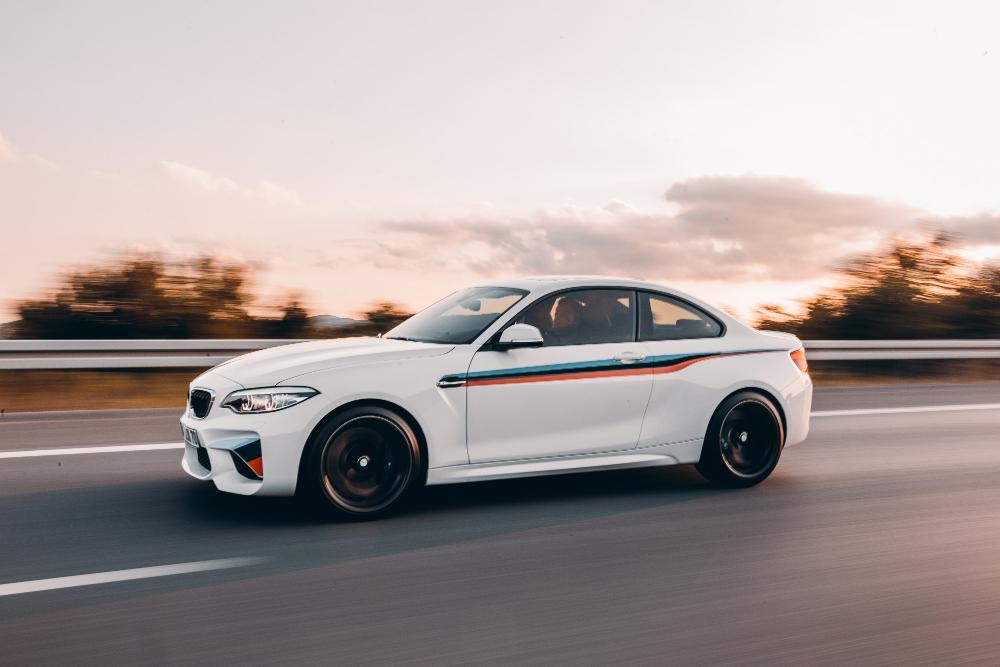
When you buy car insurance, you’ll often come across two key types of protection: collision coverage and comprehensive coverage. While both help pay for damage to your car, they cover very different kinds of events.
Knowing the difference between them is crucial to making sure your policy fits your needs — and that you’re not paying for coverage you don’t actually need.
Let’s break down what each type of car insurance means, how they work, and when you should consider having them.
The Basics of Car Insurance Coverage
At its core, car insurance is designed to protect you financially from unexpected events — accidents, theft, natural disasters, or other damage to your vehicle.
Most standard auto insurance policies include liability coverage (which pays for damage or injury you cause to others). But liability coverage doesn’t cover damage to your own vehicle.
That’s where collision and comprehensive coverage come in.
They’re both forms of physical damage coverage, meaning they help pay to repair or replace your car after an incident — but the causes of that damage are what set them apart.
What Is Collision Coverage?
Collision coverage pays for damage to your own car that results from a collision — regardless of who’s at fault.
This includes:
-
Hitting another vehicle.
-
Crashing into a stationary object like a wall, fence, or light pole.
-
A single-car rollover accident.
Example:
If you accidentally back into another car in a parking lot or slide on a wet road and hit a guardrail, collision coverage helps pay for your car’s repair (after you pay your deductible).
It’s especially valuable if your vehicle is newer or has a higher replacement cost.
What Is Comprehensive Coverage?
Comprehensive coverage, often called “other-than-collision” insurance, protects your car from damage that isn’t caused by a crash with another vehicle or object.
It typically covers:
-
Theft or attempted theft.
-
Fire or explosions.
-
Vandalism or malicious damage.
-
Natural disasters like floods, storms, or earthquakes.
-
Falling objects (like tree branches or debris).
-
Animal collisions (for example, hitting a stray animal).
Example:
If your car is stolen, damaged by a fire, or dented in a hailstorm, comprehensive coverage pays for the repair or replacement — minus your deductible.
Key Differences Between Collision and Comprehensive Coverage
Here’s a simple breakdown to help you understand how they differ:
| Feature | Collision Coverage | Comprehensive Coverage |
|---|---|---|
| What It Covers | Damage from accidents or collisions with vehicles or objects | Damage from non-collision events (theft, fire, natural disasters, etc.) |
| Example Incidents | Crashing into another car, hitting a tree, or overturning | Car theft, vandalism, hail damage, or hitting an animal |
| Who’s at Fault | Covers your car regardless of fault | Not related to fault – covers external causes |
| Deductible | Yes, usually required | Yes, usually required |
| Required by Law? | No (optional) | No (optional) |
| Typical Use | To protect your car in accidents | To protect your car from unexpected events beyond your control |
How Deductibles Work
Both collision and comprehensive coverage typically include a deductible — the amount you pay out of pocket before your insurance kicks in.
For example, if your repair costs 5,000 QAR and you have a 1,000 QAR deductible, your insurer will cover the remaining 4,000 QAR.
Choosing a higher deductible lowers your premium, but it also means you’ll pay more if you file a claim.
Do You Need Collision and Comprehensive Coverage?
Whether you need one or both depends on several factors — mainly your car’s age, value, and how much risk you’re comfortable taking.
Here’s how to decide:
1. New or High-Value Cars
If your vehicle is new, financed, or leased, both collision and comprehensive coverage are highly recommended — and often required by lenders. Repair or replacement costs for newer cars can be expensive, so having full protection makes financial sense.
2. Older or Low-Value Cars
If your car’s value has depreciated significantly, you might consider skipping one or both types of coverage. If the cost of the premiums and deductible is higher than what you’d get from a claim, it may not be worth it.
3. Driving Environment
If you live in an area with frequent accidents, bad weather, or high theft rates, comprehensive and collision coverage can offer valuable peace of mind.
4. Your Financial Situation
If paying out of pocket for car repairs or replacement would be difficult, keeping these coverages ensures financial protection.
When Each Coverage Applies — Real-World Scenarios
To make things clearer, here are quick examples of when each coverage comes into play:
-
Collision Coverage:
-
You hit another vehicle at an intersection.
-
You accidentally crash into a parking barrier.
-
Your car rolls over after losing control on a curve.
-
-
Comprehensive Coverage:
-
Your car is stolen from a parking lot.
-
A sandstorm in Qatar causes severe paint damage.
-
A palm tree branch falls and dents your car’s roof.
-
Someone vandalizes your car with scratches or broken windows.
-
What Happens If You Don’t Have These Coverages
Without collision or comprehensive coverage, you’ll have to pay for repairs or replacement yourself if your car is damaged — even if it wasn’t your fault (in some cases).
For example:
-
If a tree falls on your car, liability insurance won’t cover it.
-
If you hit another car and your car is damaged, liability covers the other driver’s losses — not yours.
That’s why many car owners prefer to include both collision and comprehensive protection, even though they’re optional.
The Cost Factor
Premiums for these coverages depend on several factors:
-
Your car’s make, model, and age.
-
Your driving record.
-
Your location (risk of theft, weather damage, etc.).
-
Chosen deductible amount.
While adding both coverages increases your premium, it can save you thousands in repair or replacement costs after an accident or natural disaster.
The Bottom Line
Collision and comprehensive coverage are two sides of the same coin — both protect your car, but from different types of risks.
-
Collision coverage protects against accidents and crashes.
-
Comprehensive coverage protects against everything else — theft, fire, weather, or vandalism.
If your vehicle is valuable or still under finance, having both is highly recommended. They offer peace of mind knowing that no matter what happens — a crash, storm, or theft — you won’t be left facing the full financial burden alone.
Ultimately, the right choice depends on your car’s value, your budget, and how much risk you’re willing to take. Understanding these two coverages ensures you make an informed decision — and stay fully protected on and off the road.

 English
 Arabic
 French
 Spanish
 Portuguese
 Deutsch
 Dutch
Dutch
 Italiano
 Russian
 Romaian
 Portuguese (Brazil)
 Greek
Greek