 English
 Arabic
 French
 Spanish
 Portuguese
 Deutsch
 Turkish
 Dutch
Dutch
 Italiano
 Russian
 Romaian
 Portuguese (Brazil)
 Greek
Greek

Middle East and Africa Genital Warts Market Report: Key Developments, Industry Trends and Forecast
Health |
2026-04-06 12:48:47
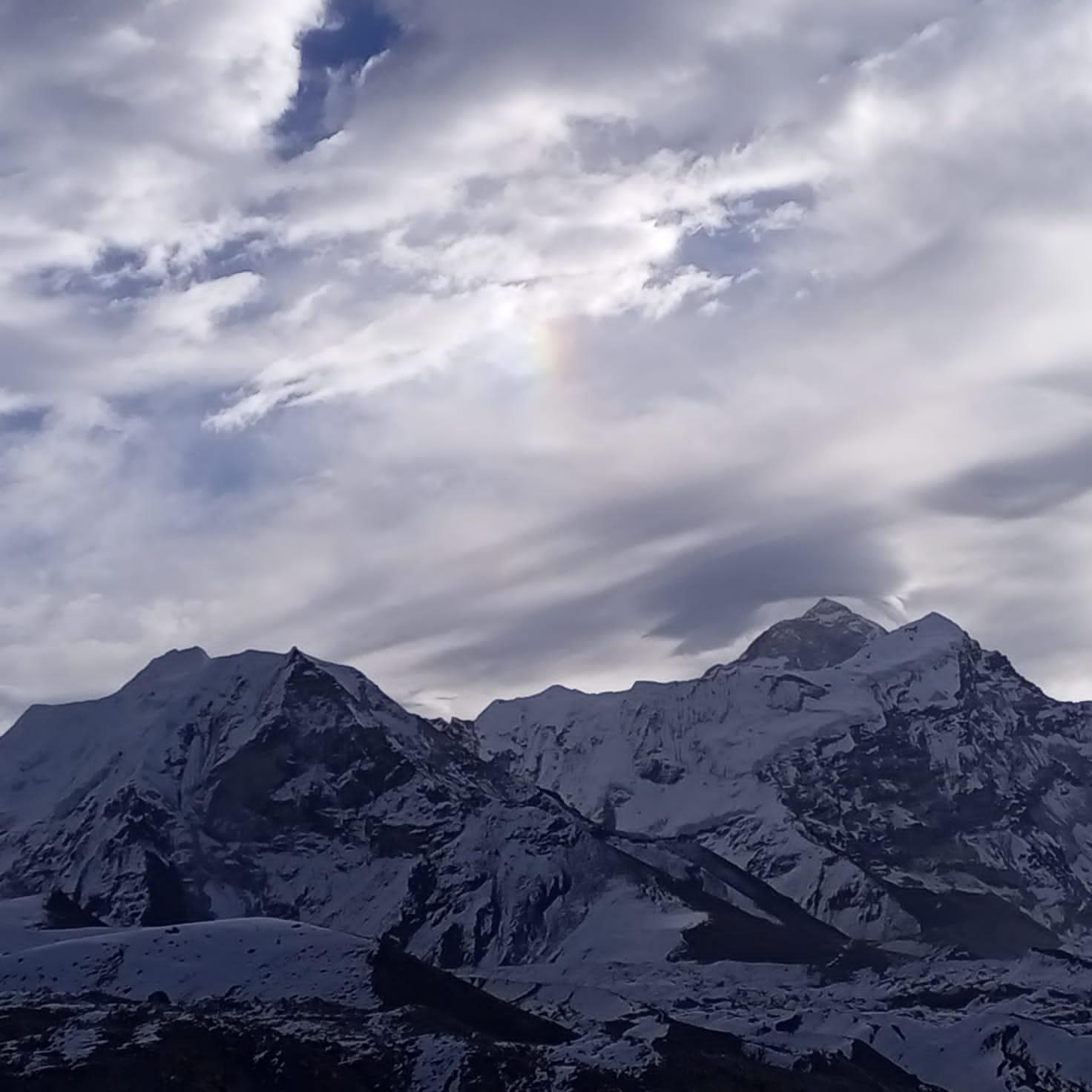
The Everest Base Camp trek is a dream adventure for many travelers, offering awe-inspiring Himalayan landscapes, Sherpa culture, and the thrill of reaching one of the world’s highest trekking destinations. While most trekkers stay in standard teahouses along the trail, a growing number are seeking “luxury teahouses,” which provide more comfort, better amenities, and higher-quality food. Budgeting for these upgraded accommodations requires careful planning to balance comfort, costs, and trekking logistics.
Luxury teahouses in the Khumbu region elevate the traditional trekking experience by offering spacious rooms, private bathrooms, hot showers, Wi-Fi, and high-quality meals. Some teahouses provide cozy lounges, coffee bars, and panoramic viewing areas, enhancing comfort during a physically demanding trek. Understanding what constitutes a luxury teahouse helps trekkers set realistic expectations and plan a budget that accounts for upgraded services while still respecting local pricing norms.
Luxury teahouses are more expensive than standard lodges, often costing two to three times the price for a private room. Typical costs range from $30 to $100 per night, depending on location, season, and amenities. Key locations along the trail, such as Namche Bazaar, Dingboche, and Lobuche, offer luxury options, while higher-altitude stops may have limited choices. Researching nightly rates in advance and noting which teahouses provide consistent services allows trekkers to estimate the accommodation portion of their budget accurately.
Meals at luxury teahouses are generally of higher quality, often featuring diverse menus with both local and Western options. While standard teahouse meals may cost $5–$10 per dish, luxury teahouses can charge $10–$20 per meal. Breakfast, lunch, and dinner prices can quickly accumulate over a multi-day trek. Factoring in meal costs alongside accommodation ensures that your daily trekking budget reflects the true expense of comfort and sustenance.
The Khumbu region experiences peak trekking seasons during spring (March to May) and autumn (September to November), which affects both availability and pricing of luxury teahouses. During these months, teahouses may increase rates due to high demand, while off-season prices can be lower but services may be limited. Including seasonal variations in the budget helps avoid surprises and allows trekkers to plan for extra costs during the busiest trekking periods.
Accessing luxury teahouses does not only involve room and meal costs. Transportation to trailheads, airport transfers, and flights to Lukla often represent a significant portion of the trek budget. Hiring guides or porters to navigate high-altitude terrain and carry luggage adds another expense. Factoring in these logistical costs ensures the overall budget accurately reflects the full luxury trekking experience rather than only nightly rates.
Luxury teahouses often offer additional services such as hot showers, Wi-Fi, charging stations, and coffee or snack bars. While these services enhance comfort, they are often priced separately. Allocating funds for extras ensures that trekkers can enjoy all amenities without facing unexpected expenses. Planning for small indulgences, like specialty coffee or dessert, makes the trek more enjoyable while maintaining a clear financial overview.
Maintaining a daily budget during the trek helps prevent overspending. By estimating accommodation, meals, snacks, and extra services, trekkers can adjust daily spending based on priorities and availability. Tracking expenses also allows for flexibility if weather delays or additional nights at certain stops are necessary. Keeping a realistic daily budget ensures that luxury teahouse stays enhance the trekking experience rather than creating financial stress.
Trekkers can employ several strategies to save while staying in luxury teahouses. Booking rooms in advance may secure better rates or promotions. Traveling in a small group allows sharing porter or guide costs. Combining standard teahouse stays with selective luxury stops, such as in Namche Bazaar or Dingboche, balances comfort with cost-efficiency. Researching reviews and amenities ensures that funds are allocated wisely for the best value experience.
Budgeting for luxury teahouses on the Everest Base Camp trek requires more than simply considering nightly rates. Accommodation, meals, seasonal variations, transportation, guide services, and extras all contribute to the overall cost. Careful planning, tracking daily expenses, and implementing cost-saving strategies ensure that trekkers can enjoy the enhanced comfort of luxury teahouses without financial stress. By approaching budgeting thoughtfully, adventurers can experience the Khumbu region’s majestic landscapes, rich culture, and challenging trails while enjoying the added comfort, warmth, and convenience that luxury teahouses provide, making the Everest Base Camp trek both rewarding and memorable.


