 English
 Arabic
 French
 Spanish
 Portuguese
 Deutsch
 Turkish
 Dutch
Dutch
 Italiano
 Russian
 Romaian
 Portuguese (Brazil)
 Greek
Greek

Women’s Day Jewelry: Sparkling Emerald Earrings Studs She’ll Love
Other |
2026-03-03 09:39:21

Living in Miami means dealing with year-round heat, humidity, and sudden weather shifts. In this climate, your heating, ventilation, and air conditioning (HVAC) system isn’t just about comfort—it plays a key role in indoor air quality, energy efficiency, and even property value. Choosing the right Miami HVAC Contractors can make a significant difference in system performance and long-term reliability.
Here’s a practical guide to help you make an informed decision.
Before contacting contractors, identify what you need:
Clear goals will help you communicate effectively and receive accurate estimates. Miami homes often require high-efficiency systems capable of handling humidity control, so keep climate-specific performance in mind.
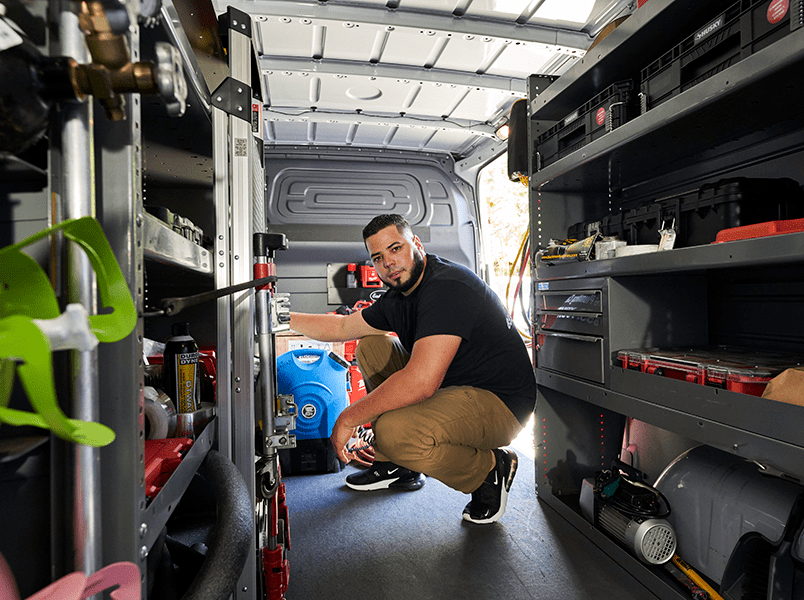
One of the most important steps in choosing Miami HVAC Contractors is verifying proper licensing and insurance.
In Florida, HVAC professionals must hold appropriate state or local licenses. This ensures they meet technical and safety standards. Additionally, contractors should carry:
This protects you from potential liability if accidents or property damage occur during the job.
HVAC systems in tropical environments operate under different demands compared to cooler regions. Contractors with extensive experience in South Florida understand:
When evaluating Miami HVAC Contractors, ask how long they’ve worked locally and whether they’ve handled projects similar to yours.
Online reviews can offer insight into reliability, professionalism, and service quality. Look at:
You can also request references from recent customers. A reputable contractor should be comfortable providing them.
While reviews shouldn’t be your only deciding factor, they can help you identify patterns—both positive and negative.
Always request a written estimate before agreeing to any work. A professional estimate should include:
Be cautious of unusually low bids. While affordability matters, extremely low pricing may indicate shortcuts in materials or workmanship.
Comparing at least two or three estimates from different Miami HVAC Contractors helps you better understand market pricing.
Energy efficiency is especially important in Miami, where air conditioning runs most of the year. Contractors should be able to explain:
Upgrading to a high-efficiency unit can reduce energy bills and improve comfort. An informed contractor will discuss both upfront costs and long-term savings.
HVAC systems are long-term investments. Reliable contractors offer warranties that cover:
Additionally, ask whether they provide preventative maintenance plans. Regular maintenance helps extend system life and reduce emergency breakdowns.
Ongoing service relationships can be beneficial, especially in a climate where HVAC systems operate almost continuously.
Pay attention to how contractors communicate from the first interaction. Professional Miami HVAC Contractors typically:
If a contractor avoids direct answers or pressures you into immediate decisions, consider it a red flag.
Clear communication builds trust and reduces misunderstandings during the project.
HVAC installations and major repairs often require permits. A qualified contractor should:
In Miami, building regulations can be strict due to hurricane and environmental considerations. Proper compliance ensures safety and avoids costly legal issues later.
Given Miami’s heat, HVAC failures can quickly become urgent. Ask contractors about:
While not every situation requires emergency repair, knowing help is available when needed offers peace of mind.
Choosing the best contractor isn’t only about price. Consider:
A well-informed decision leads to better system performance, improved indoor comfort, and fewer unexpected repairs.
Need reliable Miami HVAC Contractors? Trust National Service Pros for professional HVAC installation, repair, and maintenance services tailored to your comfort needs.
You can check licensing status through Florida’s Department of Business & Professional Regulation website or request proof directly from the contractor.
It’s recommended to obtain at least two or three estimates from different Miami HVAC Contractors for comparison.
Due to long cooling seasons, many homeowners choose systems with higher SEER ratings (15 or above) for better efficiency.
At minimum, schedule professional maintenance once per year. In high-usage climates like Miami, twice per year may be beneficial.
In most cases, yes. A qualified contractor should handle permit applications and inspections as part of the installation process.



