English
 Arabic
 French
 Spanish
 Portuguese
 Deutsch
 Turkish
 Dutch
Dutch
 Italiano
 Russian
 Romaian
 Portuguese (Brazil)
 Greek
Greek

Interior Design Singapore
Other |
2026-02-25 13:39:51
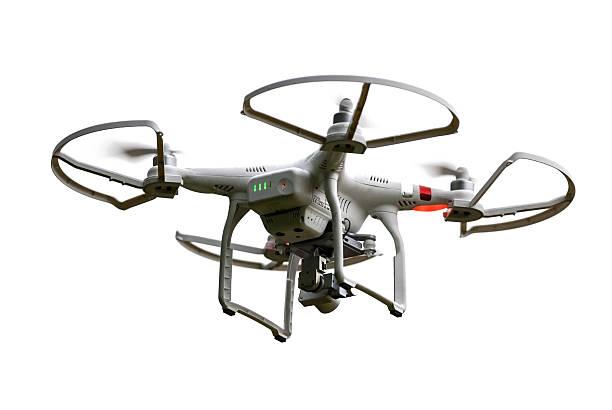
A decade ago, seeing a drone in the sky was a rare sight, usually something you would spot at a hobbyist park or in a high-budget film. Today, the hum of rotors is becoming a familiar sound in industries ranging from agriculture to infrastructure. We have moved past the era where these machines were just expensive toys. They are now highly capable tools that act as an extension of our own eyes and hands, allowing us to interact with the world in ways that were once impossible.
This shift is not just about the craft itself, but about the data they collect and the decisions they help us make. Whether it is a farmer monitoring crop health from above or a bridge inspector spotting a crack in concrete without ever leaving the ground, these systems have become essential. They are safe, they are efficient, and they are here to stay.
The most significant change in this space is the shift toward precision. In the past, managing a large area of land or a massive piece of infrastructure meant a lot of guesswork or manual, labor-intensive labor. With modern aerial platforms, we can now map thousands of acres or inspect miles of pipeline in a fraction of the time.
Farmers are using multispectral sensors to identify exactly where a field needs water or fertilizer, which helps them save money and protects the soil from over-treatment. Similarly, energy companies are using these tools to identify maintenance needs on wind turbines and power lines before a failure occurs. It is proactive, data-driven, and highly effective.
One of the biggest hurdles for early adopters was the need for specialized equipment for every single task. You might have needed one machine for taking photos and a completely different one for lifting cargo. Today, the industry is moving toward more adaptable designs. Modular drones allow operators to switch out sensors, cameras, or payload containers in a matter of minutes. This means you do not have to buy a whole new fleet when a project changes or a new technology becomes available. Instead, you simply upgrade the piece you need, which keeps costs down and allows for much greater flexibility in the field.
Logistics has always been a tough nut to crack, especially when you are trying to reach people in remote locations or busy cities where traffic is a nightmare. We are currently seeing a move toward using these systems for last-mile delivery, especially for time-sensitive items like medicine. When a hospital needs blood or a vaccine urgently, a flight path that goes straight over traffic can be a life-saver. It is a reliable, fast way to connect communities that were previously cut off by distance or terrain.
Even with all this talk of sensors and flight patterns, it is important to remember that these are human-driven tools. The goal is not to replace the worker, but to give the worker a better vantage point. Whether it is a search and rescue team looking for a missing person in thick woods at night or a conservationist tracking wildlife, the technology is only as good as the person using it.
It also means that safety is paramount. As more of these machines fill the sky, the focus has shifted toward building better traffic management systems and ensuring that everyone follows the rules of the air. It is a shared responsibility between the engineers who build the tech and the pilots who ensure that every flight is safe and purposeful.
We are in the midst of a quiet revolution. What started as a niche hobby has blossomed into a critical piece of global infrastructure. As batteries get lighter, sensors get sharper, and regulations become clearer, the potential for these machines will only continue to grow. We are no longer just looking at the sky; we are learning how to work within it. It is an exciting time to watch these tools evolve, and the impact they are having on our daily lives is only just beginning.
What is the difference between a drone and a UAS?
People often use the terms interchangeably, but a drone is usually a casual name for the flying machine itself. UAS stands for Unmanned Aerial System, which includes the aircraft, the ground control station, and the communication links that make the flight possible.
Do I need a license to fly?
In most places, yes, if you are doing any kind of commercial or business-related work. You usually need to pass a certification test to ensure you understand the rules of the air and how to keep your operations safe and legal.
Can they handle bad weather?
Modern industrial systems are built to be quite rugged. They can handle light rain and moderate wind, but heavy storms or severe weather will still keep them on the ground. Reliability is key, so pilots always check the forecast before taking off.
What kind of sensors are used?
The variety is huge. Beyond standard cameras for photos and video, these machines carry thermal sensors for finding heat, LiDAR for making 3D maps, and multispectral sensors for checking the health of plants. It really depends on the job at hand.
Is privacy a concern?
Privacy is definitely a top priority. Most regions have very strict laws about where these systems can fly and what they can record. As the industry scales up, the focus is on being transparent about why and how the data is being collected.
How long can they fly?
Smaller, battery-powered systems usually fly for thirty to forty minutes. Larger, hybrid systems that use fuel or specialized battery tech can stay in the air for several hours at a time, making them better for long-range surveys or mapping.