 English
 Arabic
 French
 Spanish
 Portuguese
 Deutsch
 Turkish
 Dutch
Dutch
 Italiano
 Russian
 Romaian
 Portuguese (Brazil)
 Greek
Greek

iTunes Fraud Ring: A Breach in Apple's Domain
Games |
2026-03-12 02:45:25
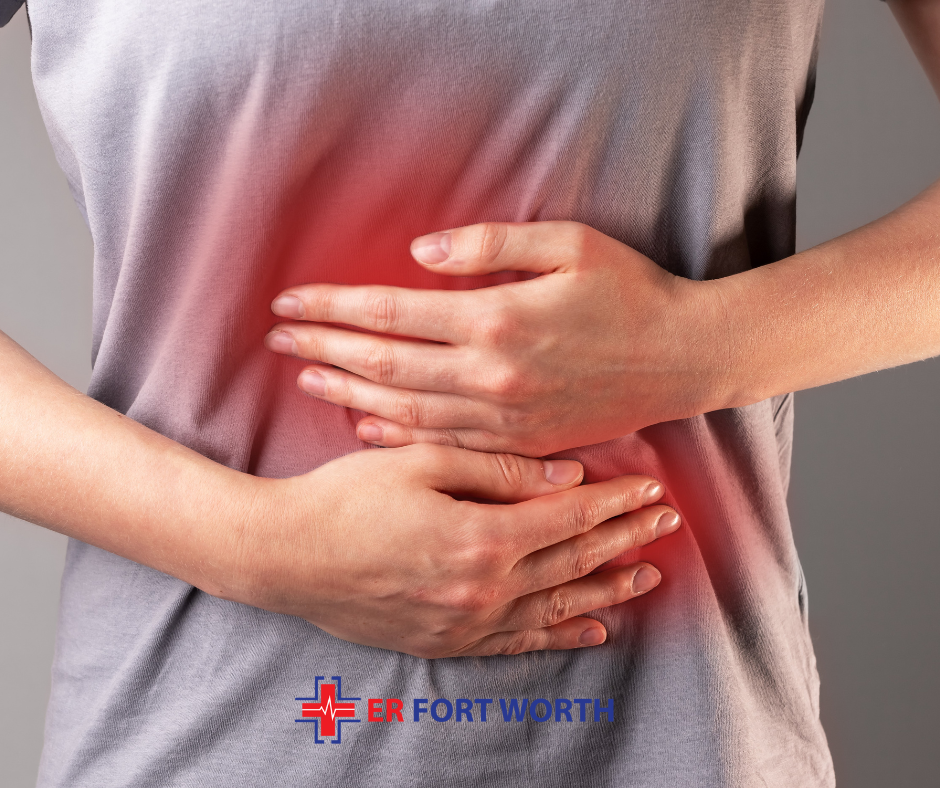
Digestive problems are common. Many people experience stomach pain, nausea, or indigestion at some point. But sometimes, what seems like a minor issue can quickly become serious. gastrointestinal emergencies are life-threatening conditions that affect the stomach, intestines, liver, pancreas, or other digestive organs and require immediate medical attention.
In Fort Worth, emergency rooms treat patients every day who delay care because they assume their symptoms are “just food poisoning” or “a stomach bug.” Recognizing the warning signs early can save lives.
This guide explains the most dangerous digestive emergencies, their symptoms, causes, and when to go to the ER — in simple, clear language.
Gastrointestinal (GI) emergencies are sudden and severe conditions affecting the digestive system. These problems can lead to:
Severe internal bleeding
Infection spreading into the bloodstream
Organ failure
Permanent damage
Death if untreated
A gastrointestinal emergency is any sudden digestive condition causing severe pain, bleeding, infection, or blockage that requires immediate emergency room care.
If you experience any of the following symptoms in Fort Worth, seek emergency medical care immediately:
Sharp or stabbing pain
Pain that gets worse over time
Pain with fever or vomiting
Pain that spreads to the back or shoulder
Sudden intense pain may signal appendicitis, perforation, or pancreatitis.
Bright red blood
Dark coffee-ground appearance
This can indicate internal bleeding from ulcers or torn blood vessels.
Black, tar-like stool
Bright red blood in stool
These are signs of internal gastrointestinal bleeding.
Cannot keep liquids down
Vomiting for more than 24 hours
Vomiting with severe pain
This may suggest obstruction or severe infection.
Fever combined with stomach pain could mean infection, abscess, or ruptured appendix.
A firm or bloated stomach with severe discomfort may signal bowel obstruction or perforation.
If combined with stomach pain or bleeding, it may indicate severe blood loss.
Below are the most serious GI emergencies treated in emergency rooms.
Inflammation of the appendix.
Pain starting near the belly button
Moving to lower right abdomen
Fever
Nausea
If untreated, the appendix can burst and cause life-threatening infection.
Ulcers
Diverticulosis
Liver disease
Cancer
Vomiting blood
Black stool
Weakness
Heavy bleeding can lead to shock.
The intestines become blocked.
Severe cramping
No bowel movements
Vomiting
Swollen belly
Without treatment, tissue can die.
A hole forms in the stomach or intestine.
Sudden severe pain
Rigid abdomen
Fever
This allows bacteria to enter the abdominal cavity, causing sepsis.
Inflammation of the pancreas.
Severe upper abdominal pain
Pain radiating to back
Nausea
Fever
Severe cases can damage organs quickly.
Infected pouches in the colon can rupture.
Left-sided abdominal pain
Fever
Constipation
Reduced blood flow to the intestines.
Sudden severe pain
Bloody diarrhea
This is a true emergency requiring immediate surgery.
Go immediately if you have:
Severe, worsening pain
Blood in vomit or stool
Fainting
High fever with stomach pain
Uncontrolled vomiting
Hard, swollen abdomen
Do not wait for symptoms to improve.
Emergency teams in Fort Worth typically perform:
Checking tenderness and swelling.
To detect infection, bleeding, or organ damage.
CT scan
Ultrasound
X-ray
To locate bleeding sources.
If perforation or obstruction is found.
Delaying care can lead to:
Sepsis (blood infection)
Organ failure
Permanent digestive damage
Death
Early treatment dramatically improves survival rates.
People at higher risk include:
Adults over 60
Those with ulcers
Heavy alcohol users
Liver disease patients
Cancer patients
People taking blood thinners
Individuals with previous abdominal surgery
While some emergencies cannot be prevented, you can lower risk by:
Treating ulcers early
Avoiding excessive alcohol
Managing chronic diseases
Eating a balanced diet
Staying hydrated
Getting regular checkups
In growing cities like Fort Worth, emergency departments see a high volume of digestive emergencies due to:
Fast-paced lifestyle
High processed food intake
Increased stress
Delayed medical visits
Knowing where to go and acting quickly makes a difference.
Parents should seek immediate care if a child has:
Severe belly pain
Green vomiting
High fever
Refusal to walk due to pain
Blood in stool
Appendicitis is one of the most common pediatric surgical emergencies.
Older adults may not show typical signs. Instead, they may experience:
Mild pain
Confusion
Weakness
Dehydration
These subtle symptoms can hide serious problems.
Appendicitis and gastrointestinal bleeding are among the most common life-threatening digestive emergencies treated in ERs.
Most cases are mild, but severe dehydration or infection can require emergency care.
Pain is serious if it is severe, sudden, worsening, or accompanied by fever, vomiting blood, or black stool.
Yes. A bleeding or perforated ulcer is a life-threatening condition.
Black, tar-like stool usually indicates internal bleeding in the upper digestive tract.
No. Some dangerous conditions temporarily improve before worsening.
Yes. Emergency departments in Fort Worth regularly treat appendicitis, bleeding, obstruction, and severe infections.
Digestive discomfort is common, but severe or unusual symptoms should never be ignored. Recognizing the warning signs of silent GI threats can protect you and your family from life-threatening complications.
If you live in Fort Worth and experience severe abdominal pain, bleeding, or persistent vomiting, seek emergency care immediately. Acting fast can mean the difference between a simple treatment and a major surgery — or even saving a life.
For more information visit https://eroffortworthtx.com/services/gastrointestinal-emergencies


