English
 Arabic
 French
 Spanish
 Portuguese
 Deutsch
 Turkish
 Dutch
Dutch
 Italiano
 Russian
 Romaian
 Portuguese (Brazil)
 Greek
Greek

Gabriel Iglesias Netflix Deal: New Series & Specials
Games |
2026-02-24 07:36:54
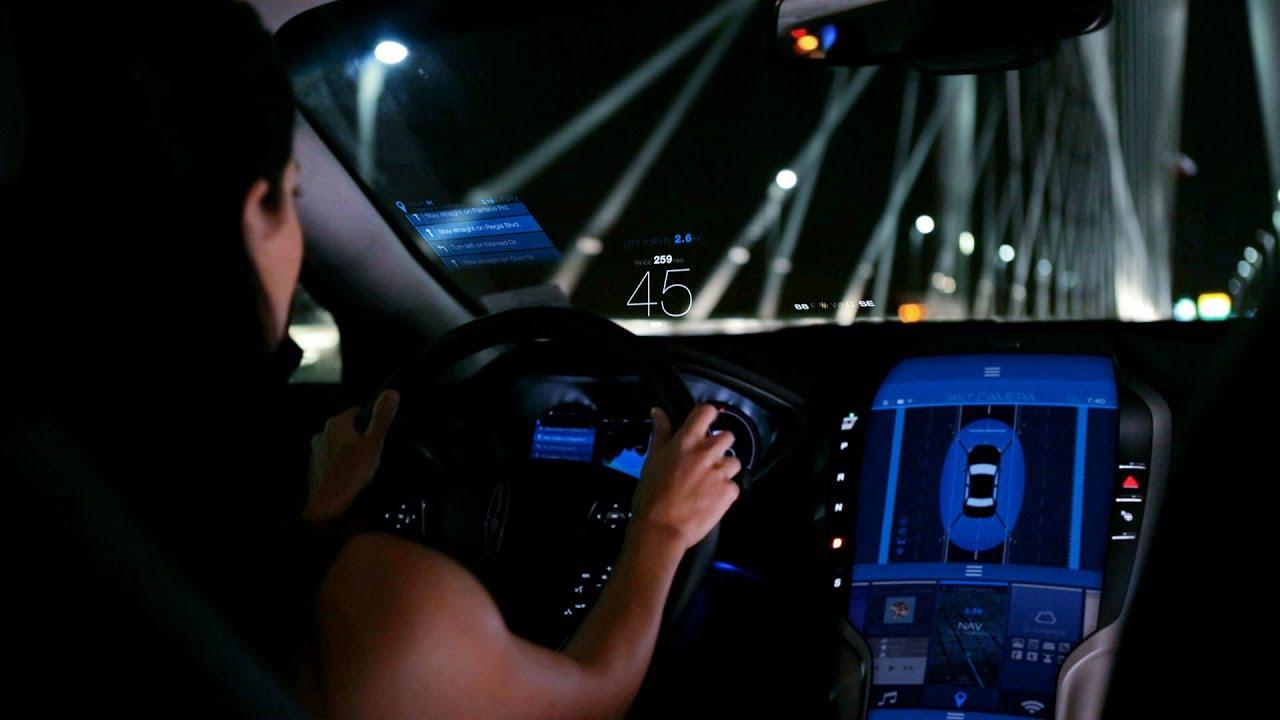
The auto infotainment market has become a pivotal segment in the automotive industry, driven by increasing consumer expectations for connected, intelligent, and personalized in-vehicle experiences. Infotainment systems are no longer mere add-ons; they are central to vehicle functionality, user engagement, and brand differentiation. Consequently, automakers and technology providers are deploying a variety of strategies to capture market share, improve user experience, and maintain competitive advantage. This article explores the key strategies shaping the auto infotainment market.
At the heart of auto infotainment market strategies is technological innovation. Companies are investing in advanced artificial intelligence (AI), machine learning, voice recognition, gesture controls, augmented reality (AR), and high-definition displays. AI-powered systems can anticipate user preferences, suggest optimal routes, and provide personalized entertainment recommendations. Gesture controls and AR interfaces enhance usability and safety, offering intuitive ways to interact with vehicle systems.
Integrating next-generation connectivity features, such as 5G networks and cloud-based platforms, enables real-time navigation updates, media streaming, vehicle diagnostics, and over-the-air (OTA) software updates. By prioritizing innovation, companies differentiate their offerings, attract tech-savvy consumers, and create long-term loyalty
Collaboration is a critical strategy in the auto infotainment market. Automakers frequently form alliances with software developers, AI specialists, cloud service providers, and content platforms to accelerate development and expand service offerings. Strategic partnerships enable faster integration of cutting-edge technologies and access to premium content, while reducing the burden of in-house development.
Partnerships also facilitate standardization across platforms, enhancing system reliability and user experience. Collaborations with streaming services, navigation platforms, and mobile application providers allow vehicles to mirror familiar interfaces, meeting consumer expectations for seamless integration between personal devices and in-vehicle systems.
Another important strategy involves product differentiation. Automakers tailor infotainment features to specific vehicle segments, offering entry-level vehicles with essential connectivity and navigation, mid-range vehicles with enhanced personalization and driver-assistance integration, and luxury vehicles with multi-screen interfaces, immersive audio, and subscription-based content services.
Customization extends beyond vehicle segments. Companies offer features like personalized dashboards, adaptive settings, voice-controlled environments, and predictive assistance. This approach enhances the perceived value of infotainment systems and strengthens brand loyalty by catering to individual user preferences.
The growth of electric vehicles (EVs) and autonomous vehicles (AVs) presents a unique opportunity for strategic differentiation. Infotainment in EVs often includes battery monitoring, energy-efficient route planning, and integration with charging networks. In autonomous vehicles, where drivers may no longer focus on road control, infotainment strategies shift toward passenger experience, including immersive media, productivity tools, and social engagement features.
Automakers are leveraging EV and AV platforms to expand the functionality of infotainment systems, integrating operational and entertainment aspects to create cohesive digital ecosystems within vehicles.
A user-focused strategy is essential in a competitive market. Intuitive interfaces, multi-modal controls, adaptive layouts, and minimal driver distraction are central design considerations. Infotainment systems must provide seamless access to applications, navigation, communication, and entertainment while prioritizing safety.
Companies also emphasize multi-user support, ensuring that both drivers and passengers can interact with the system simultaneously without interference. Subscription services, content customization, and app integration allow users to personalize their in-vehicle experience, which further strengthens market position.
Infotainment strategies increasingly include flexible business models. Subscription-based services, feature unlocks, and cloud-enabled upgrades allow automakers to generate recurring revenue and extend the vehicle lifecycle. Over-the-air software updates enable post-sale enhancements, keeping infotainment systems current and continuously improving the user experience.
Data analytics derived from connected platforms provide additional revenue opportunities. Insights into user behavior, preferences, and vehicle performance enable predictive services, targeted content, and personalized recommendations, reinforcing engagement and monetization strategies.
Strategic approaches vary by region and consumer demographics. In North America and Europe, demand for high-end displays, AI personalization, multi-screen interfaces, and advanced connectivity is high. Emerging markets, on the other hand, prioritize affordability, intuitive controls, and smartphone integration. Automakers tailor infotainment strategies to regional expectations, balancing cost, technology, and user experience.
Segment-specific strategies also help companies capture diverse consumer bases. Entry-level buyers seek value and simplicity, mid-range buyers want enhanced usability and safety, and premium consumers expect cutting-edge technology and luxury features.
Successful market strategies also consider challenges such as cybersecurity, system complexity, regulatory compliance, and high production costs. Companies are investing in secure connectivity, intuitive user interfaces, scalable architectures, and global regulatory alignment. Proactively addressing these challenges ensures competitive differentiation and strengthens market credibility.
The auto infotainment market is rapidly evolving, and companies must deploy multi-faceted strategies to remain competitive. Technological innovation, strategic partnerships, product differentiation, user-centric design, integration with EVs and AVs, monetization models, and regional adaptation are all critical components.
By combining these strategies, automakers and technology providers can deliver connected, intelligent, and immersive in-vehicle experiences, enhancing user satisfaction, brand loyalty, and long-term growth. The auto infotainment market is no longer a supporting feature—it is a strategic platform that defines the future of mobility and digital engagement in vehicles.