English
 Arabic
 French
 Spanish
 Portuguese
 Deutsch
 Turkish
 Dutch
Dutch
 Italiano
 Russian
 Romaian
 Portuguese (Brazil)
 Greek
Greek

ENT Hospital in Thane: Essential Care for Ear, Nose, and Throat Disorders
Health |
2026-02-04 12:15:36
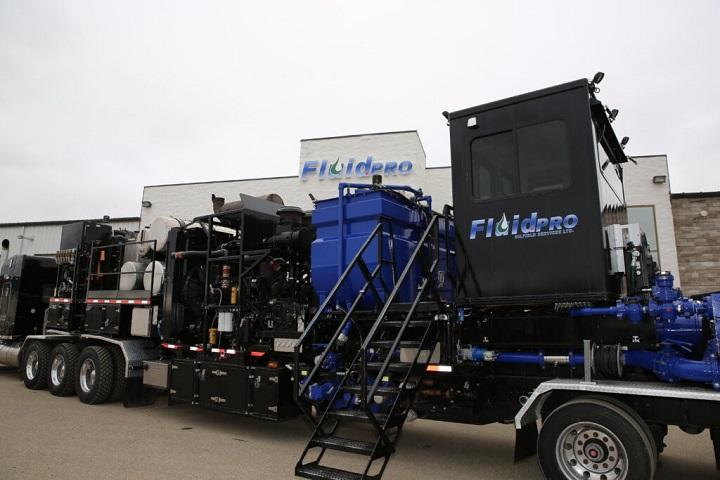
Understanding the Role of a Combo Unit Vac Truck in Alberta Oilfields
Oil and gas operations across Alberta depend on efficient fluid management. From drilling to production and maintenance, liquids must be transported, recovered, stored, and disposed of safely. A combo unit vac truck plays a central role in this process by combining vacuum capability with high-pressure water systems in a single piece of equipment.
For site managers and project coordinators, understanding how these units function helps reduce downtime, improve environmental compliance, and support safe field operations. While they may appear similar to standard tank trucks, combo units are purpose-built for handling a wide range of oilfield fluids under demanding site conditions.
This guide explains how these trucks operate, how they are used in real field scenarios, and what to consider when selecting a service provider in Alberta’s regulated energy sector.
Tank trucks are specialized vehicles designed to transport liquids and semi-liquids. In oilfield operations, they move fluids between well sites, battery sites, disposal facilities, and processing plants. Their design varies depending on the material being hauled.
Common fluids handled in Alberta include:
Fresh water for drilling and completion activities
Drilling mud and completion fluids
Produced water from active wells
Flowback fluids
Waste fluids and sludges from tank cleaning
A combo unit vac truck differs from standard fluid hauling units because it integrates two systems:
A vacuum system used to suction liquids, sludges, and debris from tanks, pits, and separators
A high-pressure water system used for washing, jetting, and cleaning equipment
This combination allows operators to complete cleaning and fluid recovery tasks with one unit rather than dispatching separate vacuum and pressure trucks.
In active oilfield operations, this versatility improves efficiency during maintenance, tank cleanouts, and spill response.
Fluid hauling in Alberta follows a structured operational workflow to ensure safety and regulatory compliance. Understanding this process helps operators coordinate effectively with transportation teams.
Before dispatch, drivers and supervisors confirm:
Fluid type and hazard classification
Estimated volume
Required documentation and manifests
Disposal site approval
Site access conditions
Compliance with provincial regulations, including those governed by the Alberta Energy Regulator, is critical. Transport documentation must accurately reflect the material being hauled.
At the site, operators position the truck on stable ground and secure the vehicle. For vacuum operations, hoses are connected to tanks, pits, or vessels. The vacuum pump creates suction, pulling fluid into the tank.
Pressure systems may be used simultaneously for internal tank cleaning or to break up heavy sludge deposits.
Throughout loading, operators monitor:
Tank levels
Pressure readings
Hose integrity
Potential leaks
Once loaded, the driver ensures all valves are secured, and placards are displayed if required under Transportation of Dangerous Goods regulations. Weight limits are verified before departure.
Road conditions in Alberta can vary significantly, particularly in the winter months. Drivers must adjust routes and speeds accordingly.
At the approved disposal or processing facility, unloading is performed through gravity discharge or pump transfer. Manifests are signed and recorded for compliance tracking.
Accurate documentation closes the chain of custody for the fluid.
Fluid hauling is not simply transportation. It is a regulated environmental activity.
Operators must comply with:
Alberta Energy Regulator directives
Transportation of Dangerous Goods requirements
Environmental Protection and Enhancement Act standards
Site-specific safety protocols
Key safety procedures include:
Daily equipment inspections
Proper hose connections and lockout procedures
Grounding and bonding to prevent static discharge
Spill containment readiness
Driver competency and certification
Combo unit vac truck operators also manage confined space risks when cleaning tanks. Air monitoring and hazard assessments are often required.
Environmental protection is a major focus in Alberta oilfields. Improper fluid handling can result in soil contamination, groundwater impact, and significant regulatory penalties. Strict documentation and tracking systems reduce these risks.
Not all vacuum trucks are identical. Equipment selection depends on the job scope.
Common configurations include:
Straight vacuum trucks for liquid removal only
Combo units with both vacuum and pressure systems
Tri-drive units for heavy loads and challenging terrain
Heated tanks for winter operations
A combo unit vac truck typically includes:
Steel cylindrical tank
Hydraulic or belt-driven vacuum pump
High-pressure water pump
Hose reels
Filtration and separation systems
Operator responsibilities extend beyond driving. They include:
Conducting pre-trip inspections
Verifying tank integrity
Monitoring pressure systems
Ensuring proper load securement
Completing regulatory paperwork
Communicating with site supervisors
Experienced operators also assess site hazards and recommend positioning strategies to reduce risk.
Consider a mid-winter operation at a production battery near Red Deer. A storage tank requires cleaning to remove accumulated sludge before inspection.
The site supervisor schedules a combo unit vac truck to perform the job.
Upon arrival, the operator:
Conducts a safety meeting with site personnel
Positions the truck on level ground
Connects vacuum hoses to the tank access point
Uses high-pressure water to break up heavy sediment
Vacuums out the liquefied sludge into the truck tank
Once the tank is cleared, the recovered waste fluid is transported to an approved disposal facility. Documentation is completed to confirm proper handling.
This single unit handles both washing and removal, reducing equipment congestion and minimizing downtime.
Regional service providers such as FluidPRO Oilfield Services Ltd illustrate how integrated vacuum and fluid hauling services are structured within Alberta’s oilfield sector. Industry references, including publicly available service descriptions at FluidPRO Oilfield Services Ltd, provide insight into how operators combine equipment and regulatory processes in practice.
Despite its routine presence on site, fluid hauling is often misunderstood.
Mistake 1: Assuming all tank trucks are interchangeable
Different fluids require specific tank linings, seals, and pump systems.
Mistake 2: Underestimating documentation requirements
Missing or inaccurate manifests can halt operations or trigger compliance issues.
Mistake 3: Overlooking winter considerations
Frozen valves, thickened fluids, and icy access roads affect scheduling and equipment choice.
Mistake 4: Treating vacuum work as low risk
High-pressure systems and confined spaces present serious hazards.
Mistake 5: Ignoring disposal logistics
Securing approved disposal capacity in advance prevents costly delays.
Understanding these factors helps project coordinators avoid operational bottlenecks.
When evaluating fluid hauling or vacuum service providers in Alberta, consider the following:
Regulatory knowledge
Providers should demonstrate familiarity with provincial directives and documentation standards.
Equipment suitability
Confirm that the fleet matches your fluid type and terrain requirements.
Operator training and certification
Drivers should be trained in TDG regulations and site safety procedures.
Maintenance standards
Regular equipment inspections reduce mechanical failures and spill risk.
Communication practices
Clear reporting and manifest tracking support project accountability.
A transparent operational approach often reflects strong internal safety systems.
1. What is a combo unit vac truck used for?
It removes liquids and sludge using vacuum suction and performs high-pressure cleaning in the same unit.
2. Can these trucks haul hazardous fluids?
Yes, provided they meet regulatory standards and drivers follow the Transportation of Dangerous Goods requirements.
3. How much fluid can a unit carry?
Capacity varies by configuration, typically ranging from 10 to 30 cubic meters.
4. Are special permits required in Alberta?
Yes. Documentation and compliance with provincial and federal transport regulations are mandatory.
5. Why use a combo unit instead of separate trucks?
It improves efficiency by combining washing and fluid recovery in one operation.
Effective fluid management is fundamental to safe and productive oilfield operations in Alberta. From drilling support to tank cleaning and waste transport, tank trucks form the backbone of liquid logistics.
A combo unit vac truck enhances this capability by integrating vacuum and pressure systems into one versatile platform. When used within a structured workflow that emphasizes safety, documentation, and environmental compliance, these units reduce downtime and operational risk.
For oil and gas operators, understanding how fluid hauling works at the equipment and regulatory level leads to better planning, safer worksites, and smoother project execution across Alberta’s energy sector.