


Why Parents Trust Kids Sports Shoes Manufacturers in India for Active Lifestyles
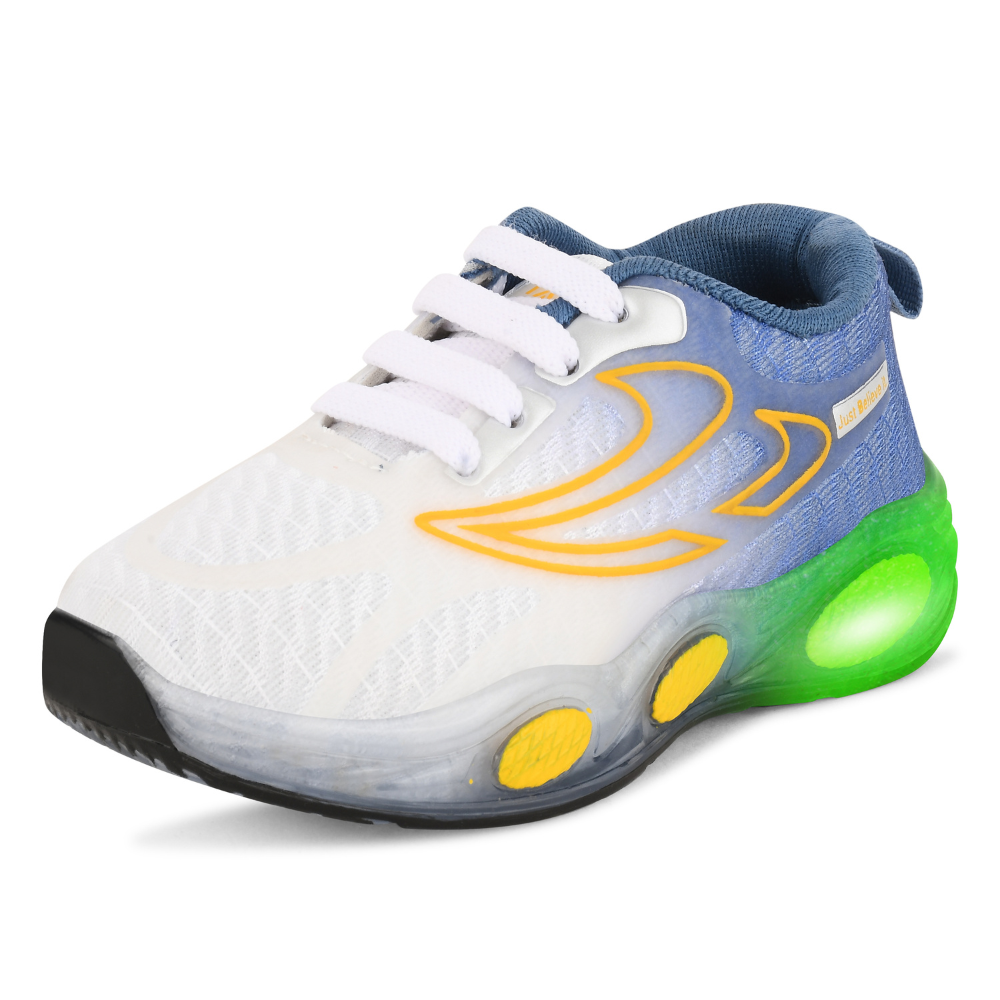
Children today are more active than ever before—whether it’s school sports, playground fun, fitness routines, or simply keeping up with their energetic lifestyles. Parents want footwear that can keep pace with their kids’ busy schedules while ensuring comfort, safety, and durability.
This is why so many families prefer buying from Kids Sports Shoes Manufacturers in India. These manufacturers specialize in creating shoes designed for growing feet, making them the go-to choice for parents across the country.
1. Focus on Comfort and Foot Health
Growing children need shoes that don’t just look good but also support healthy foot development. Parents value manufacturers who provide:
-
Breathable fabrics to prevent sweating and discomfort
-
Cushioned soles for shock absorption during running and jumping
-
Arch support for proper posture and balance
-
Lightweight designs so kids can move freely
By prioritizing comfort and safety, Kids Sports Shoes Manufacturers in India give parents peace of mind.
2. Durability That Withstands Active Play
Kids are tough on their shoes—playing outdoors, running on rough surfaces, and engaging in sports activities. Parents prefer shoes that are:
-
Double-stitched for extra strength
-
Made with non-slip, long-lasting rubber soles
-
Resistant to wear and tear from daily use
The durability of locally manufactured shoes ensures parents don’t have to buy new pairs every few months, making them both cost-effective and reliable.
3. Affordable Pricing Without Compromising Quality
One of the major reasons parents trust Kids Sports Shoes Manufacturers in India is affordability. Imported brands often come at steep prices, but Indian manufacturers offer:
-
Competitive rates suited for middle-class families
-
Value-for-money bulk options (popular with schools and institutions)
-
Shoes that combine quality with affordability
This balance makes Indian manufacturers the practical choice for everyday footwear.
4. Wide Variety of Designs for Every Need
Parents appreciate having choices when it comes to selecting shoes for different activities. Indian manufacturers provide:
-
Running shoes for athletics
-
Multi-purpose trainers for school and casual wear
-
Sport-specific shoes for cricket, football, basketball, and more
-
Trendy, stylish designs kids love to wear every day
This variety allows parents to pick the right shoe for every occasion without breaking the budget.
5. Eco-Friendly and Safe Materials
Modern parents are increasingly conscious about sustainability and safety. Many Kids Sports Shoes Manufacturers in India are adapting to this demand by using:
-
Non-toxic adhesives
-
Eco-friendly, recycled fabrics
-
Hypoallergenic materials safe for children’s skin
This eco-conscious shift builds even greater trust among health- and environment-focused families.
6. Availability and Easy Access
Unlike imported footwear, which may be expensive or hard to find, sports shoes manufactured in India are widely available through:
-
Local shoe stores and distributors
-
School-approved uniform suppliers
-
Online platforms and manufacturer websites
The easy availability and nationwide distribution make them convenient for parents across cities and small towns alike.
7. Customization Options for Schools and Institutions
Parents also value the fact that many manufacturers work directly with schools to provide customized sports shoes with:
-
School logos
-
Specific uniform colors
-
Tailored sizing for different age groups
This creates uniformity, affordability, and trust, making life easier for parents who simply need to purchase the prescribed footwear.
8. Supporting Local Businesses
Another reason parents prefer Indian manufacturers is the opportunity to support local businesses under the “Make in India” initiative. Choosing Kids Sports Shoes Manufacturers in India means:
-
Supporting local jobs and craftsmanship
-
Reducing dependency on expensive imports
-
Contributing to India’s growing footwear industry
Parents increasingly appreciate the balance of national pride and practical benefits.
Expert Insights: What Parents Say
-
Durability matters: “I don’t have to replace my son’s shoes every two months. They last through the entire school season.”
-
Budget-friendly: “We save money by buying Indian-made shoes without compromising quality.”
-
Comfort is key: “My daughter says they’re lightweight and comfortable for her P.E. classes.”
Such feedback highlights why parents consistently choose local manufacturers over international brands.
FAQs
Q1. Are Kids Sports Shoes Manufacturers in India reliable?
Yes, most offer durable, affordable, and comfortable shoes tailored for children’s needs.
Q2. Do they provide different types of sports shoes?
Yes, they manufacture running shoes, training shoes, casual wear, and sport-specific shoes.
Q3. Are Indian-made kids’ sports shoes affordable for middle-class families?
Absolutely. They provide high quality at reasonable prices compared to imported brands.
Q4. Can parents easily find these shoes in stores?
Yes, they are widely available both offline and online across India.
Q5. Do Indian manufacturers use safe materials for kids?
Yes, many focus on non-toxic adhesives and breathable, child-safe materials.
Conclusion
Parents want only the best for their children—and when it comes to footwear, trust matters. Kids Sports Shoes Manufacturers in India have earned this trust by offering comfort, durability, affordability, and safety in every pair.

 Arabic
 French
 Spanish
 Portuguese
 Deutsch
 Turkish
 Dutch
Dutch
 Italiano
 Russian
 Romaian
 Portuguese (Brazil)
 Greek
Greek