


Why Powder Transfer Systems Are Essential for Dust-Free Operations
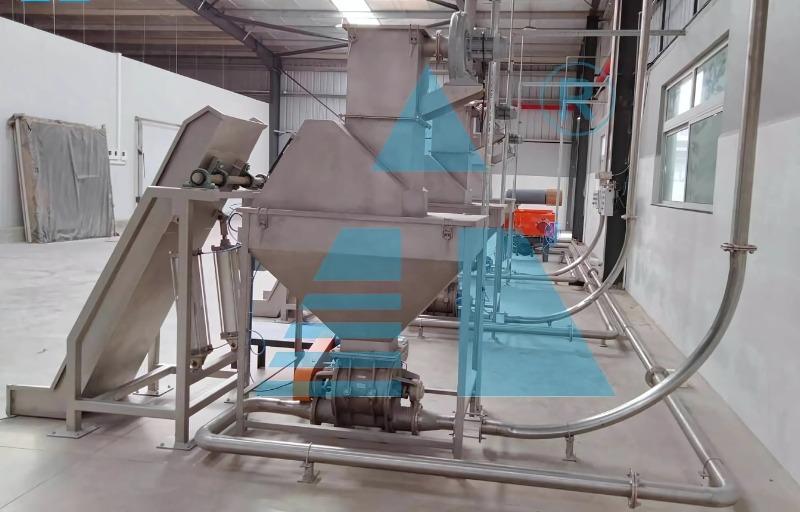
In industries like food, pharmaceuticals, and chemicals, handling powders is a daily necessity—but it comes with challenges. Dust, contamination, and material loss are constant concerns that can compromise product quality, worker safety, and regulatory compliance. This is where Powder Transfer Systems step in. These systems not only streamline powder handling but also ensure dust-free operations, making them an essential tool for modern, efficient, and sustainable manufacturing.
The Challenges of Traditional Powder Handling
Before automation, powder handling was largely manual. While it may seem straightforward, this approach creates several problems:
- Dust Emissions – Fine particles escape into the air, leading to contamination and health risks.
- Material Loss – Spillage and airborne powder result in wasted resources.
- Inconsistent Quality – Uneven handling leads to variations in product quality.
- Compliance Issues – Regulatory bodies require dust-free, safe operations, which manual processes often fail to deliver.
Clearly, relying on traditional handling methods can limit growth and efficiency in competitive industries.
How Powder Transfer Systems Work
A Powder Transfer System uses vacuum or pressure-based mechanisms to move powders from one process stage to another—whether it’s feeding mixers, reactors, or packaging machines. These systems are sealed, automated, and designed for precision, ensuring powders are handled efficiently and without exposure to the environment.
Benefits of Dust-Free Powder Transfer Systems
1. Enhanced Worker Safety
Dust-free systems protect operators from inhaling harmful particles, reducing the risk of respiratory issues and workplace hazards.
2. Improved Hygiene and Quality
By preventing contamination, manufacturers can maintain strict hygiene standards—especially crucial in food and pharmaceutical sectors.
3. Reduced Material Waste
Since powders are transferred within a closed system, spillage and loss are minimized, leading to better material utilization.
4. Regulatory Compliance
Meeting safety and cleanliness standards becomes easier, helping companies avoid fines and reputational damage.
5. Increased Efficiency
Automated systems move powders faster and more accurately, improving productivity and ensuring consistent product quality.
Applications of Powder Transfer Systems
Powder Transfer Systems are versatile and used across multiple industries:
- Food Processing – For handling sugar, flour, cocoa, spices, and other ingredients.
- Pharmaceuticals – For transferring active ingredients safely and hygienically.
- Chemical Manufacturing – For moving powders like pigments, detergents, or specialty chemicals.
- Confectionery Production – For precise handling of sugar and cocoa powders in chocolate and candy manufacturing.
Tips for Choosing the Right Powder Transfer System
When investing in a Powder Transfer System, consider:
- Capacity Requirements – Match the system to your production volume.
- Material Compatibility – Ensure the system suits your specific powders.
- Automation Features – Look for programmable controls for efficiency.
- Ease of Cleaning – Systems with quick-clean designs reduce downtime.
- Energy Efficiency – Sustainable systems help reduce operational costs.
FAQs
Q1. Why are Powder Transfer Systems considered dust-free?
They operate within a sealed system, ensuring powders are transferred without escaping into the air.
Q2. Are they suitable for small-scale operations?
Yes. Powder Transfer Systems can be tailored to suit both small batch processes and large-scale manufacturing.
Q3. Do they improve product quality?
Absolutely. By preventing contamination and maintaining consistency, they help achieve high-quality outputs.
Q4. How do they support sustainability?
By reducing waste, improving energy efficiency, and maintaining hygienic standards, these systems contribute to greener operations.
Conclusion
In today’s manufacturing landscape, Powder Transfer Systems are not just a convenience—they are a necessity. By ensuring dust-free operations, they protect workers, improve efficiency, reduce waste, and help companies meet strict regulatory standards. For businesses aiming to scale sustainably and competitively, investing in the right powder transfer technology is a smart step forward.

 English
 Arabic
 French
 Spanish
 Portuguese
 Deutsch
 Turkish
 Dutch
Dutch
 Italiano
 Russian
 Romaian
 Portuguese (Brazil)