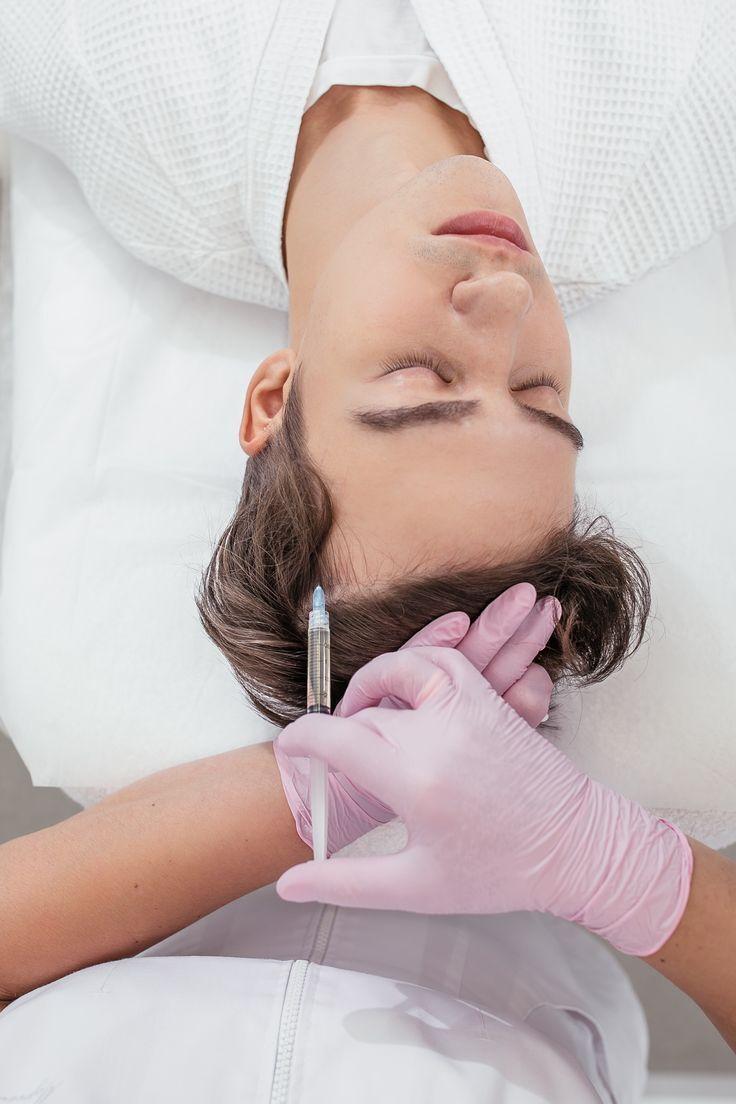
Genetic hair loss, also known as androgenetic alopecia, is one of the most common causes of thinning hair and baldness in men and women. It is often hereditary and can begin as early as the late 20s or 30s. While this type of hair loss is progressive, PRP Hair Treatment in Islamabad has emerged as a non-surgical, natural solution to slow down hair loss, stimulate dormant follicles, and improve hair density.
This article explores how PRP therapy works for genetic hair loss, its benefits, procedure, expected results, and aftercare.
Understanding Genetic Hair Loss
Genetic hair loss occurs due to a combination of hereditary factors and sensitivity to dihydrotestosterone (DHT), a hormone that affects hair follicles. Common signs include:
-
Gradual thinning of hair on the scalp
-
Receding hairline in men
-
Widening part line in women
-
Miniaturization of hair follicles leading to weaker, thinner strands
Unlike temporary hair shedding caused by stress or illness, genetic hair loss is progressive and requires consistent intervention to maintain hair density.
How PRP Hair Treatment Works for Genetic Hair Loss
Platelet-Rich Plasma (PRP) therapy is a minimally invasive treatment that uses the patient’s own blood to stimulate hair growth. The process involves:
-
Drawing a small sample of blood.
-
Centrifuging it to separate platelet-rich plasma.
-
Injecting the plasma into areas affected by thinning hair.
PRP contains growth factors that:
-
Stimulate dormant follicles
-
Improve blood circulation to the scalp
-
Strengthen existing hair shafts
-
Promote healthier hair growth
Because PRP uses your own blood, it is safe, reduces the risk of allergic reactions, and promotes natural hair restoration.
Benefits of PRP for Genetic Hair Loss
PRP therapy offers several advantages for individuals struggling with hereditary hair loss:
-
Non-surgical and minimally invasive: No incisions or anesthesia required
-
Stimulates dormant follicles: Helps reactivate follicles affected by DHT
-
Improves hair density and thickness: Enhances overall scalp coverage
-
Strengthens existing hair strands: Reduces breakage and shedding
-
Quick recovery: Minimal downtime and immediate return to daily activities
-
Low risk of complications: Uses autologous blood, minimizing allergic reactions
PRP is often used in combination with other treatments such as topical minoxidil or oral medications for optimal results.
The PRP Procedure
PRP therapy for genetic hair loss is a clinic-based procedure and usually takes 45–60 minutes.
Step 1: Consultation
A specialist evaluates scalp condition, identifies thinning areas, and reviews medical history to ensure suitability.
Step 2: Blood Collection and Processing
A small blood sample is taken and centrifuged to isolate platelet-rich plasma.
Step 3: Scalp Injections
PRP is injected into the affected scalp areas using fine needles. Topical numbing cream is applied to reduce discomfort.
Minimal downtime is required, and most patients resume normal activities immediately after treatment.
Expected Results and Timeline
Results from PRP therapy are gradual and typically require multiple sessions:
First Month
-
Reduced hair shedding
-
Improved scalp health
2–3 Months
4–6 Months
-
Noticeable improvement in density
-
Stronger, healthier hair strands
-
Slower progression of genetic hair loss
A typical treatment plan involves 3–4 sessions spaced 4–6 weeks apart, followed by maintenance sessions every 6–12 months.
Ideal Candidates for PRP
PRP is most effective for individuals who:
-
Have early to moderate genetic hair loss
-
Still have active hair follicles
-
Prefer non-surgical solutions
-
Are in good overall health
Patients with extensive baldness or complete follicle destruction may require hair transplant or combination therapies.
Safety and Side Effects
PRP is considered safe when performed by trained professionals. Common side effects include:
-
Mild redness or swelling at injection sites
-
Tenderness or slight bruising
-
Temporary tingling sensation
These are typically temporary and resolve within a few days. Serious complications are extremely rare, especially in reputable clinics.
Aftercare for PRP Hair Treatment
-
Avoid washing your hair for 24 hours post-procedure
-
Refrain from chemical treatments or harsh styling products for a few days
-
Maintain a nutrient-rich diet to support follicle health
-
Attend follow-up and maintenance sessions as recommended
Proper aftercare enhances the effectiveness of PRP and ensures optimal hair density improvement.
Combining PRP with Other Treatments
For best results in genetic hair loss, PRP is often combined with:
-
Topical medications such as minoxidil
-
Oral medications like finasteride (for men)
-
Nutritional supplements to support hair growth
A customized approach ensures maximum improvement in hair density and slows the progression of hereditary hair loss.
Final Thoughts
PRP Hair Treatment in Islamabad offers a safe, natural, and effective solution for genetic hair loss. By stimulating dormant follicles, improving scalp health, and strengthening existing hair, PRP therapy can slow hair thinning and enhance hair density over time.
Consulting a qualified specialist is essential to assess your hair loss stage, develop a personalized treatment plan, and provide proper aftercare guidance. With consistent sessions and professional oversight, PRP therapy can help maintain fuller, healthier hair while reducing the impact of hereditary hair loss.
For more information visit Enfield royal clinic in islamabad
 English
 Arabic
 French
 Spanish
 Portuguese
 Deutsch
 Turkish
 Dutch
Dutch
 Italiano
 Russian
 Romaian
 Portuguese (Brazil)
 Greek
Greek