


How SS Storage Tanks Improve Efficiency in Food Manufacturing
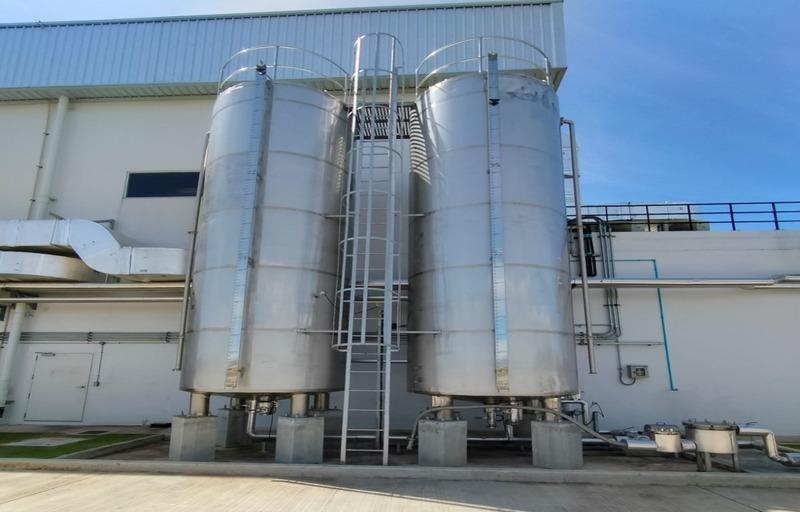
In modern food manufacturing, efficiency, hygiene, and product consistency are crucial for maintaining high standards and meeting market demand. One key piece of equipment that contributes significantly to these goals is SS Storage Tanks. These stainless steel tanks are designed to store, process, and transport liquids safely while minimizing contamination risks.
Benefits of Using SS Storage Tanks
1. Improved Operational Efficiency
Manual handling of liquids and ingredients can slow production and increase the likelihood of errors. SS Storage Tanks optimize storage and transfer processes, enabling:
- Faster and more reliable material handling.
- Seamless integration with mixers, pumps, and conveyor systems.
- Reduction of production bottlenecks.
2. Hygiene and Safety
Hygiene is critical in food manufacturing. Stainless steel surfaces are corrosion-resistant, non-reactive, and easy to clean. SS Storage Tanks:
- Prevent contamination of food products.
- Comply with international food safety standards.
- Minimize risks for workers handling liquids or semi-liquid ingredients.
3. Consistent Quality Control
Uniform storage conditions help maintain the integrity of ingredients. SS Storage Tanks provide controlled environments that preserve flavor, texture, and nutritional quality, ensuring consistent product quality in every batch.
4. Long-Term Cost Savings
Durable construction reduces maintenance costs and extends the lifespan of equipment. By streamlining liquid handling and minimizing product loss, SS Storage Tanks contribute to long-term operational savings.
Applications in Food Manufacturing
SS Storage Tanks are versatile and essential in various food processing operations:
- Chocolate Processing: Integrates with chocolate processing equipment and chocolate storage tanks for smooth melting, tempering, and storage.
- Beverage Production: Stores syrups, juices, and other liquid ingredients safely.
- Dairy Products: Maintains milk, cream, and yogurt at optimal conditions.
- Sauces and Condiments: Ensures uniform mixing and storage for consistent flavor.
By supporting multiple stages of production, SS Storage Tanks enhance workflow efficiency across diverse food manufacturing applications.
Key Features to Look for When Buying SS Storage Tanks
When selecting SS Storage Tanks, manufacturers should prioritize:
- Material Quality: High-grade stainless steel for corrosion resistance and durability.
- Capacity Options: Choose sizes that match production scale and storage needs.
- Temperature Control: Integrated jackets or insulation for heating or cooling.
- Ease of Cleaning: Smooth interiors and accessible designs for hygienic maintenance.
- Compatibility: Ability to integrate with pumps, mixers, and automated food manufacturing systems.
These features ensure the tanks deliver optimal performance, safety, and long-term value.
Future Trends in SS Storage Tanks
As food manufacturing evolves, SS Storage Tanks are adopting modern technologies and practices:
- Automated Monitoring Systems: Sensors for temperature, level, and flow monitoring.
- Energy-Efficient Designs: Optimized for minimal heat loss and reduced power consumption.
- Sustainable Manufacturing Practices: Use of eco-friendly materials and water-efficient cleaning systems.
- Integration with Smart Factories: Seamless communication with digital production lines and IoT-enabled devices.
These trends allow manufacturers to enhance efficiency, reduce costs, and maintain compliance with sustainability standards.
FAQs
1. What are SS Storage Tanks used for?
They are used for storing, processing, and transferring liquids safely and efficiently in food manufacturing facilities.
2. Are SS Storage Tanks easy to clean?
Yes. High-quality stainless steel construction and accessible design features make cleaning simple and effective.
3. Can SS Storage Tanks be used in chocolate production?
Absolutely. They integrate seamlessly with chocolate processing equipment and chocolate storage tanks for precise temperature control and smooth handling.
4. How do SS Storage Tanks improve productivity?
By reducing manual handling, preventing contamination, and providing consistent storage conditions, these tanks streamline production and enhance operational efficiency.
Conclusion
For modern food manufacturing, SS Storage Tanks are more than storage units—they are critical components for efficiency, hygiene, and product consistency. By integrating these tanks into production lines, food manufacturers can improve workflow, reduce costs, and deliver high-quality products consistently.

 English
 Arabic
 French
 Spanish
 Portuguese
 Deutsch
 Turkish
 Dutch
Dutch
 Italiano
 Russian
 Romaian
 Greek
Greek